
 Posted by
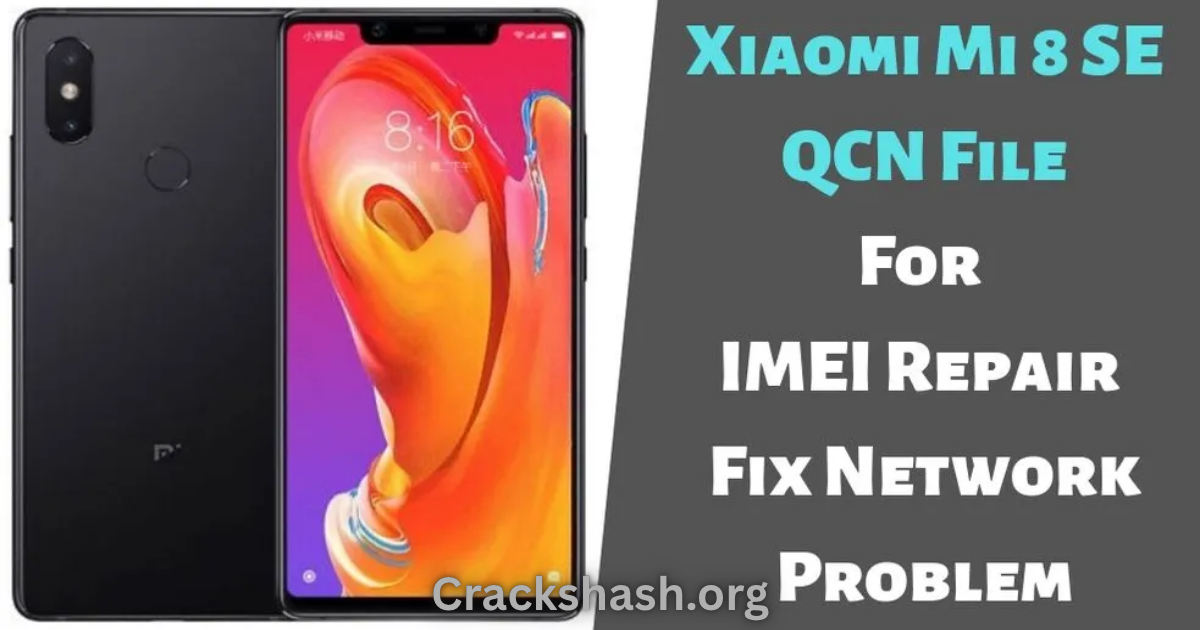
 Xiaomi MI 8 SE QCN File Complete Guide For Windows (2026)
The Xiaomi MI 8 SE QCN File is an essential tool for anyone facing network issues or needing to repair IMEI on their Qualcomm chipset-powered devices. This offline installer serves as a standalone setup designed for Windows 10 and Windows 11 users, offering official free trial access for easy troubleshooting. In this guide, you’ll find everything you need to successfully utilize the QCN file, making it easier than ever to resolve complex problems in 2026.
What Is Xiaomi MI 8 SE QCN File and Why It Matters?
The QCN file provides a crucial solution for issues related to the network and IMEI on Xiaomi devices. Developed specifically for Qualcomm chipsets, it was released to aid users who face difficulties connecting to networks or have encountered unknown baseband problems. The primary problems tackled by this file include:
- Network connectivity issues
- Flashing and restoring IMEI
- Resolving unknown baseband problems
Interestingly, many users still overlook the importance of using a QCN file for troubleshooting their mobile devices. The continued relevance of this tool in 2026 lies in its ability to save users from lengthy repairs and downtimes. Whether you’re a technician or an end-user, this guide will help you navigate through the complexities of mobile device maintenance.
How Xiaomi MI 8 SE QCN File Works? (Simple Explanation)
When you open the QCN tool, it interacts seamlessly with your device’s software. The process involves a few crucial steps:
- Connect your Xiaomi MI 8 SE to your Windows computer.
- Install the required drivers, enabling communication between your device and computer.
- Open the QPST tool to work with the QCN file.
- Execute commands that restore or repair the network settings.
This straightforward process allows users to resolve common mobile issues swiftly and efficiently, maintaining an optimal functioning unit.
Key Features That Improve Your Workflow
- Speed: Quick restoration of network settings within minutes.
- Ease of Use: User-friendly interface designed for both beginners and experts.
- Automation: Streamlined functions that enhance efficiency in repairs.
- Device Compatibility: Supports a variety of Qualcomm-based devices.
- Security: Utilizes secure methods for restoring QCN files without risks.
- Backup Options: Ability to create backups of current settings before changes.
- Comprehensive Tutorials: Easily accessible guides to navigate the QCN restoration process.
- Reliable Updates: Regular updates that ensure the tool remains effective.
- Community Support: Engaged forums for peer support and troubleshooting advice.
- Diagnostic Features: Tools to diagnose network issues accurately.
System Requirements
| Requirement | Minimum Specs |
|---|---|
| Operating System | Windows 10 or Windows 11 |
| RAM | 4 GB minimum |
| Processor | Intel i3 or equivalent |
| USB Port | Available USB 2.0 or higher |
| Internet | Required for downloading drivers |
Xiaomi MI 8 SE QCN File Download Details and Setup Info
File Size: 95 KB
Latest Version: The current file has consistent updates to ensure efficiency.
Setup Type: Offline installer.
Free or Paid: The tool offers a free trial access with essential features.
Safety Tips: Always download from official sources and perform scans with antivirus software to avoid fake or harmful downloads.
How to Download and Install Xiaomi MI 8 SE QCN File
Step 1: Download from the link given at the end of the article.
Step 2: Go to Settings > Security.
Step 3: Enable Install Unknown Apps.
Step 4: Open the APK file.
Step 5: Tap Install.
Use the download links provided in the section below.
Common Errors and Easy Fixes
- Installation Errors:Cause: Missing permissions.
Fix: Enable necessary permissions in device settings. - Driver Issues:Cause: Outdated or incompatible drivers.
Fix: Update drivers via the official device website. - Device Not Detected:Cause: Faulty USB connection.
Fix: Change USB cables or ports. - Compatibility Issues:Cause: Outdated software version.
Fix: Ensure all installations are current. - Crashes:Cause: Software conflicts.
Fix: Restart the program and try again.
Pros and Cons You Should Know
Pros:
- Quick fixes for network issues.
- Beginner-friendly with comprehensive instructions.
- Wide device compatibility.
- Regular updates improve functionality.
- Strong community support for troubleshooting.
Cons:
- Repairing processes may cause temporary device instability.
- Not all device issues can be resolved with QCN files.
- Requires initial setup effort for new users.
- May require additional software for specific features.
Best Alternatives to Xiaomi MI 8 SE QCN File
If the QCN file does not meet your needs, consider using these alternatives:
- QPST Tool – A comprehensive Qualcomm Service Tool.
- QFIL Tool – Flashing tool for Qualcomm devices.
- Xiaomi Mi Flash Tool – Essential for flashing stock ROMs.
Frequently Asked Questions
What is a QCN file?
A QCN file is a Qualcomm Color Network file that helps in restoring the network settings and repairing the IMEI number.
How do I use a QCN file?
A QCN file is used within tools like QPST to restore or backup device settings.
Is the Xiaomi MI 8 SE QCN File free?
Yes, there is a free trial available for basic functionalities.
Can I recover lost IMEI using this file?
Yes, the QCN file is designed to help recover your IMEI if it has been lost or corrupted.
Do I need to install extra software?
Yes, tools like QPST may be required to manipulate the QCN file.
Are there risks in using a QCN file?
If not done correctly, it may cause device instability; therefore, follow guidelines carefully.
Can I use it on other devices?
This QCN file is specific to Xiaomi MI 8 SE and might not work on other models.
Download Xiaomi MI 8 SE QCN File for Windows:
Main Server (Direct Download):
Final Verdict: Is It Worth Using in 2026?
The Xiaomi MI 8 SE QCN file remains an essential tool for those dealing with errors on their devices. Its capability to restore network settings and repair IMEI makes it a pivotal resource for both technicians and everyday users. As technology evolves, tools like this continue to serve the same fundamental purpose—helping users maintain device functionality and resolve issues quickly and effectively. In 2026 and beyond, utilizing such tools will undoubtedly streamline the user experience, making it a worthwhile investment of your time and resources.