 Posted by
 Remote Utilities Viewer 7.7.3.0 Complete Guide For Windows (2026)
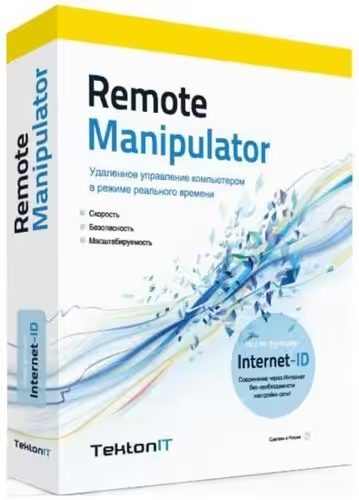
Remote Utilities Viewer is a versatile offline installer and standalone setup software that provides users with powerful remote access capabilities, suitable for Windows 10 and Windows 11. This guide will walk you through everything you need to know to use this software effectively, especially now in 2026 where remote work tools are more crucial than ever. Additionally, you can explore the official free trial access and see how it suits your needs.
What Is Remote Utilities Viewer and Why It Matters
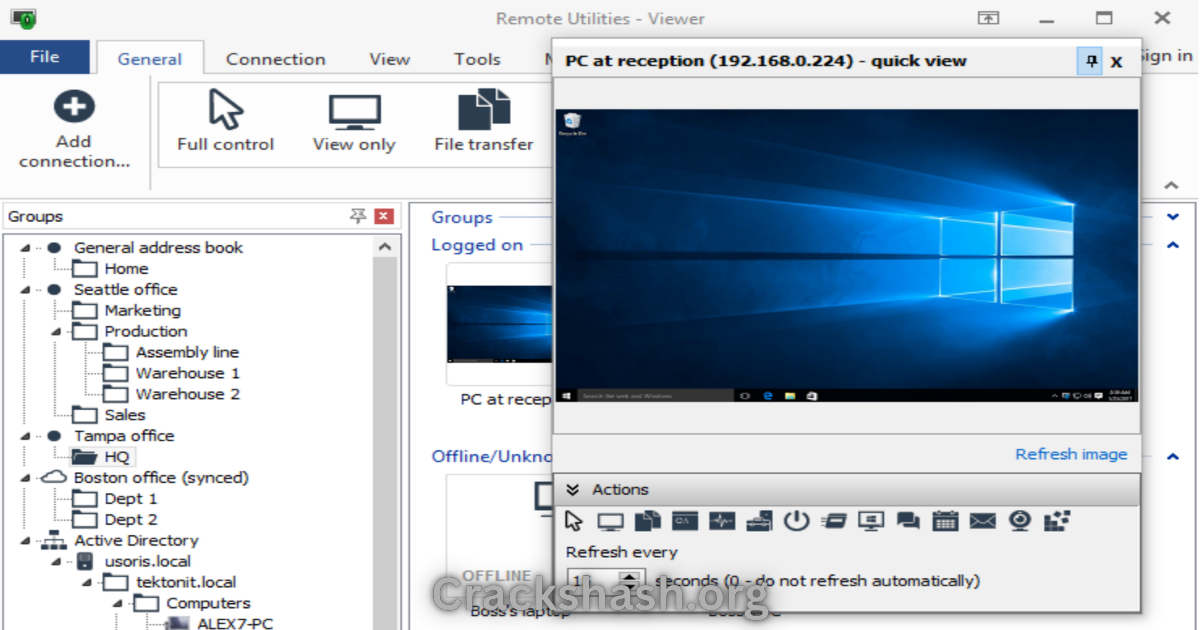
Remote Utilities Viewer is a remote desktop software that allows users to easily connect to and control a remote computer. Originally developed to provide seamless remote assistance, it enables IT professionals, businesses, and home users to troubleshoot issues or access files from anywhere in the world. Since its release, it has evolved to meet the growing demands of remote work.
The application solves the problem of limited accessibility—offering you complete control over your devices over the Internet or a local network. One lesser-known fact about Remote Utilities Viewer is its ability to provide unattended access, making it ideal for IT support when you can’t be physically present. In 2026, as remote work continues to flourish, this software still holds significant value, ensuring that users can manage their tasks efficiently from any location.
How Remote Utilities Viewer Works (Simple Explanation)
When you open Remote Utilities Viewer, it connects to a remote computer through specific IDs or IP addresses. Here’s a simple flow of how the software works:
- User installs the Viewer and the Host module on the remote computer.
- Once set up, a unique identifier is generated for the remote computer.
- By entering this identifier in the Viewer, users can access the remote machine.
- The software interfaces smoothly with Windows, using built-in tools for seamless connections.
Key Features That Improve Your Workflow
- Cross-Platform Compatibility: Works on Windows, macOS, and Linux.
- Unattended Access: Connect without needing someone to be present on the remote PC.
- File Transfer: Easily send and receive files between devices.
- Remote Printing: Print documents directly from a remote machine.
- Chat Feature: Communicate with users directly through the interface.
- Multiple Monitors Support: Manage devices that have multiple displays.
- Secure Connection: Uses AES-256 encryption for data security.
- No Installation Required: Use the portable version without installation.
- Customizable Interface: Adjust settings to fit your workflow.
- Session Recording: Record sessions for future reference or training.
These features combined not only streamline remote working tasks but also ensure productive and efficient interactions with remote systems.
System Requirements for Windows 7/8/10/11
| Component | Requirement |
|---|---|
| RAM | 1 GB RAM (2 GB recommended) |
| Processor | 1 GHz or faster |
| Storage | At least 30 MB of free space |
| OS | Windows 7, 8, 10, 11 |
| Dependencies | .NET Framework 4.5 or higher |
Remote Utilities Viewer Download Details and Setup Info
The safest way to download Remote Utilities Viewer is through its official website. Below are some important download details:
| Version | 7.7.3.0 |
| File Size | 54.7 MB |
| Free/Paid Status | Free Trial Available |
When downloading, always ensure you’re getting it from a trusted source to avoid fake files that can harm your system.
How to Download and Install Remote Utilities Viewer
- Step 1: Download from the link given at the end of the article.
- Step 2: Open the setup file.
- Step 3: Follow the installation prompts.
- Step 4: Launch the application.
- Step 5: Complete the basic setup according to your preferences.
Use the download links provided in the section below.
Common Errors and Easy Fixes
Installation Errors
Cause: Conflicts with existing software or lack of permissions. Easy Fix: Try running the installer as an administrator or uninstall conflicting software.
DLL/Runtime Issues
Cause: Missing dependencies or outdated software. Easy Fix: Ensure you have the latest version of the .NET Framework installed.
Compatibility Issues
Cause: Trying to run on an unsupported OS version. Easy Fix: Confirm you are using a compatible version of Windows.
Crashes
Cause: Overloaded system resources. Easy Fix: Close other applications to free up memory and resources.
Pros and Cons You Should Know
Pros: Highly versatile, user-friendly, and supports a variety of connections and features.
Cons: Depending on internet speed, there may be latency issues; premium features may be limited in the free version.
Best Alternatives to Remote Utilities Viewer
If Remote Utilities Viewer isn’t quite what you’re looking for, there are several alternatives you might consider:
- AnyBurn Pro for file burning.
- EaseUS Partition Master for managing disk space.
- Stellar Data Recovery Pro for file recovery solutions.
Frequently Asked Questions
Q: Is Remote Utilities Viewer free?
A: It offers a free trial with premium features available in paid versions.
Q: Can I use it without local install?
A: Yes, there’s a portable version that doesn’t require installation.
Download Remote Utilities Viewer for Windows
Get the latest version using the official download options below:
| Server | Type | Download |
| Main Server | Direct Download | Download Now |
| Backup Server | Mirror Download | Download Mirror |
Final Verdict: Is It Worth Using in 2026?
In conclusion, Remote Utilities Viewer remains a reliable choice for remote access management, proving its worth in both personal and professional settings as we navigate the evolving landscape of work and communication in 2026. Whether you use it for IT support, personal access, or file management, this software makes remote operations smoother and more effective.