Macrium Reflect Server Plus Free Download – Features, Backup, and Recovery Guide
Introduction
Protecting business data is essential for organizations that depend on servers to manage applications, databases, shared files, and critical business operations. Hardware failures, accidental deletions, software errors, and security incidents can interrupt these services and cause significant data loss. Reliable backup and recovery software helps businesses prepare for these situations by creating recoverable copies of important systems and information.
Macrium Reflect Server Plus is a product name associated with server backup and disk imaging solutions from Macrium. Macrium's backup technology is designed to help users create disk images and recover supported systems. However, product editions, licensing arrangements, and available features can differ by release, so it is important to verify the exact Server Plus version before installing it.
This guide explores Macrium Reflect Server Plus, its potential uses, backup and recovery concepts, installation considerations, system requirements, and alternatives. It also explains what to check when searching for Macrium Reflect Server Plus free download, including legitimate availability and commercial licensing.
What Is Macrium Reflect Server Plus?
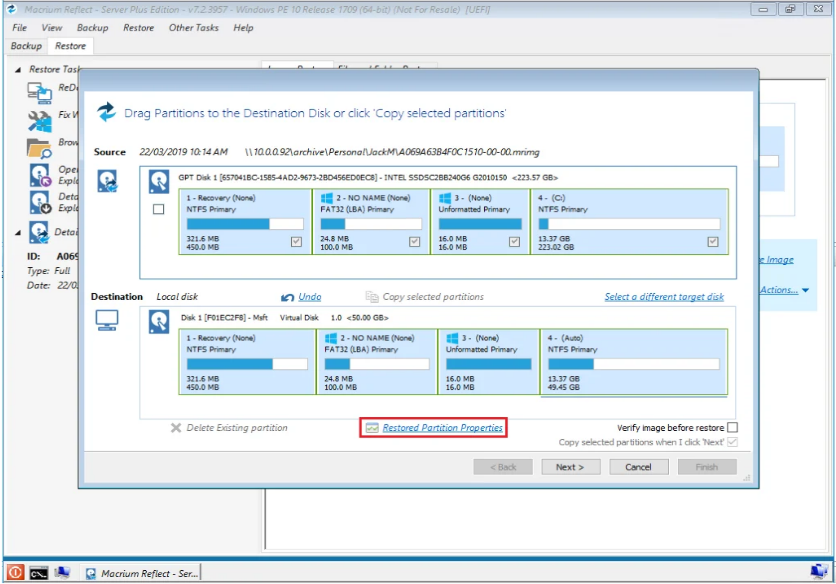
Macrium Reflect Server Plus is a server-oriented software edition associated with disk imaging, backup, and recovery workflows. Such tools help IT administrators preserve copies of server storage so they can recover information or restore a supported system after a failure.
Server backup solutions are particularly useful in business environments where downtime can affect employees, customers, applications, and services. Rather than relying only on individual file copies, disk imaging can capture a broader representation of a system's disks and partitions, depending on the software configuration.
Potential users include:
IT administrators responsible for Windows Server environments.
Small and medium-sized businesses protecting operational data.
Organizations that need documented backup and recovery procedures.
Technical teams responsible for system maintenance and disaster recovery.
Before selecting this particular edition, confirm that it is currently available for purchase or download and that its documented capabilities match your environment.
Key Features of Macrium Reflect Server Plus
The features below describe important capabilities to investigate in a server backup solution. The exact features included in Macrium Reflect Server Plus should be checked against the documentation for the relevant release and license.
1. Disk Imaging and Backup
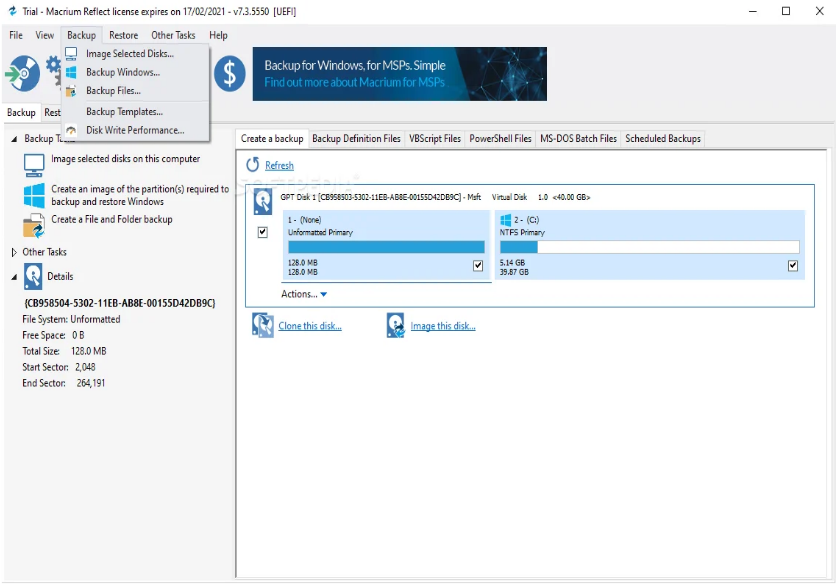
Disk imaging creates a backup representation of a disk or selected partitions. This approach can be useful when protecting an operating system, installed applications, configuration files, and other data stored on supported volumes.
For server administrators, a disk image can provide a recovery option beyond manually reinstalling the operating system and configuring the server again.
The usefulness of an image depends on factors such as the selected partitions, supported storage configurations, and whether the backup completed successfully.
2. Incremental and Differential Backups
Backup strategies often combine different backup types to balance storage usage, backup duration, and recovery requirements.
Full backup: Creates a complete backup of the selected data.
Incremental backup: Saves changes since the relevant previous backup.
Differential backup: Saves changes since the last full backup.
The availability and precise behavior of these options depend on the product version and configuration. Administrators should also understand the dependencies between backup files before deleting older backup sets.
3. Server Recovery
Recovery capabilities are important when a server becomes unbootable, a disk fails, or a system needs to be restored after an operational incident.
Depending on the supported recovery method, a backup application may allow administrators to restore selected volumes or recover a system image. Recovery planning should include compatible recovery media, access to backup storage, and procedures for checking the restored system.
4. Scheduled Backups
Automated backups can help reduce reliance on manual tasks. A suitable schedule should reflect how frequently data changes and how much data an organization can afford to lose following an incident.
For example, a server containing frequently updated business records may require more frequent backups than a server holding relatively static reference files.
Always monitor scheduled jobs and investigate failures rather than assuming that a configured backup plan is working correctly.
5. Backup Verification
A backup is useful only if the required data can be recovered. Verification features, where available, can help identify problems with backup files.
However, a successful verification process does not replace a practical restoration test. Administrators should periodically restore sample files or test a complete recovery in an isolated environment.
6. Recovery Media
Some backup workflows use bootable recovery media to access backup images when the original operating system cannot start.
Before an emergency occurs, check whether the selected edition supports the required recovery environment and create appropriate recovery media if available. Test it on compatible hardware or in a suitable virtual environment.
7. Backup Security
Server backups may contain sensitive company information, credentials, configuration details, and customer records. Protecting these files is therefore just as important as protecting the production server.
Look for documented support for encryption and appropriate access controls. Also consider where backup copies are stored, who can access them, and how they are protected from ransomware or accidental deletion.
System Requirements and Compatibility
Before downloading or installing Macrium Reflect Server Plus, check the official requirements for the exact release you intend to use. Server backup software may have different requirements from standard desktop applications.
Important considerations include:
Operating system: Confirm support for your specific Windows Server edition and version.
Processor: Check the minimum CPU requirements published by the developer.
Memory: Ensure sufficient RAM for the operating system, backup operations, and other server workloads.
Storage space: Allow room for the application, temporary operations, and backup files.
Backup destination: Confirm compatibility with your chosen local disk, external storage, or network destination.
Recovery environment: Check the requirements for creating and booting recovery media.
Permissions: Installation and backup configuration may require administrator privileges.
If you manage a production server, test the software in an appropriate environment before introducing it into your regular backup workflow.
Macrium Reflect Server Plus Free Download
Users searching for Macrium Reflect Server Plus free download should distinguish between a free installer, a free trial, and a license that permits ongoing commercial use.
Server backup software is often subject to commercial licensing, and a download being available does not automatically mean that the product can be used free of charge. The current availability and licensing terms for this specific edition should be verified through Macrium's official website.
Follow these steps when looking for a legitimate download:
Visit the official Macrium website and search for the exact product edition.
Confirm whether Server Plus is currently available or has been replaced by another offering.
Review the license terms, including any trial period and restrictions on commercial use.
Check the supported operating systems and product requirements.
Download the installer from the developer or an authorized distributor.
Verify the publisher information and scan the downloaded file before installation.
Avoid unofficial repackaged installers, unauthorized activation tools, and modified versions that claim to unlock paid features. These files can expose business systems to malware, compromise sensitive information, or create licensing problems.
If the exact edition is no longer available, review the developer's current products and determine which supported option meets your backup and recovery requirements.
How to Install Macrium Reflect Server Plus
The installation process depends on the software release, but the following general procedure provides a useful starting point.
Step 1: Check Compatibility
Confirm that the server operating system and hardware meet the documented requirements. Review any prerequisites before beginning the installation.
Step 2: Obtain the Installer
Download the legitimate installer from the official developer or an authorized distributor. Make sure the version corresponds to the product and license you intend to use.
Step 3: Verify the Installation File
Check the publisher's digital signature when available and scan the installer with trusted security software. Do not run files from suspicious download pages.
Step 4: Run the Setup Process
Use an authorized administrator account if required. Follow the setup instructions and review the available components and configuration options.
Step 5: Complete Initial Configuration
After installation, review the available backup destinations, storage permissions, and recovery options. Configure the application according to the needs of the server.
Step 6: Prepare for Recovery
If supported, create recovery media and verify that it can access the required backup storage. Record the steps needed to restore the server before an emergency occurs.
How to Create a Server Backup
Creating a backup plan involves more than selecting a disk and clicking a button. Administrators should consider recovery priorities, storage capacity, backup frequency, and the consequences of data loss.
1. Select the Data to Protect
Identify the operating system, critical volumes, applications, and business data that need protection. Determine whether a disk image, file-level backup, or combination of methods is appropriate.
2. Choose a Backup Destination
Select a suitable storage location with enough capacity for the expected backup history. Where practical, maintain a separate backup copy away from the production server.
A backup stored only on the same physical device as the original data may be lost if that device fails.
3. Select a Backup Strategy
Choose full, incremental, or differential backups according to the options supported by your software and your recovery objectives.
A full backup can simplify certain recovery workflows, while incremental and differential approaches can reduce the amount of data written during subsequent backup jobs.
4. Configure the Schedule
Set backup frequency according to how quickly the underlying data changes. Critical systems may need more frequent protection and additional recovery arrangements.
5. Run the Backup
Start the backup job and monitor its progress. Review the completion status and investigate any errors or warnings.
6. Verify the Backup
Use available verification tools and perform periodic restoration tests. Confirm that the backup contains the information required to rebuild or recover the protected system.
How to Restore a Server Backup
A recovery plan helps reduce confusion when a server fails. The exact restoration process depends on the backup format, hardware, operating system, and recovery tools available.
Identify the incident: Determine whether the problem affects individual files, a storage volume, or the entire server.
Select a suitable backup: Choose a recovery point that contains the required data and is appropriate for the incident.
Prepare the recovery environment: Use the supported recovery media or recovery method.
Connect to the backup storage: Confirm that the recovery environment can access the required backup files.
Restore the necessary data: Follow the documented procedure for the selected recovery type.
Validate the result: Check the operating system, applications, files, and important services before returning the server to normal operation.
If restoring to different hardware, verify that the product and recovery method support the target configuration. Do not assume that every backup can be restored to any server without additional steps.
Security and Backup Best Practices
Even reliable backup software cannot eliminate every risk. A comprehensive strategy should protect backup copies and regularly test whether they can be restored.
Maintain Multiple Copies
Keep more than one copy of important backups. Consider maintaining a separate offline or otherwise isolated copy to reduce exposure to ransomware and other incidents.
Protect Backup Credentials
Limit access to backup storage and administrative accounts. Use strong authentication practices and avoid sharing privileged credentials unnecessarily.
Use Encryption Where Appropriate
If the software and storage configuration support encryption, protect sensitive backup files using an appropriate method. Store recovery keys securely and ensure authorized administrators can retrieve them when needed.
Monitor Backup Jobs
Review backup logs and notifications regularly. Investigate failed jobs, unexpected changes in backup duration, and insufficient storage capacity.
Test Recovery Procedures
Perform planned restoration tests in a controlled environment. Confirm that the process works and that the recovered data is usable.
Document Your Recovery Plan
Record backup locations, recovery priorities, responsible personnel, and the steps needed to restore important systems. Keep this documentation accessible even when the production server is unavailable.
Advantages and Disadvantages of Macrium Reflect Server Plus
The following points describe the potential benefits and limitations of server imaging software. They should not be interpreted as confirmation that every capability is included in the specific Server Plus edition.
Advantages
Disk imaging can help protect operating systems and supported partitions.
Scheduled backups can reduce repetitive manual work.
System images can support recovery after certain hardware or software failures.
Backup verification and restoration testing can improve confidence in recovery readiness.
A structured backup strategy can support business continuity planning.
Disadvantages
Commercial server licensing may involve ongoing costs or edition restrictions.
Backup images can consume significant storage space.
Initial configuration requires planning and technical knowledge.
Successful recovery depends on valid backups and compatible recovery environments.
Exact product availability, features, and supported systems must be confirmed for the relevant release.
Best Alternatives to Macrium Reflect Server Plus
If the exact edition does not meet your requirements or is no longer available, consider comparing it with other established server backup solutions.
1. Veeam Backup & Replication
Veeam Backup & Replication is a backup and recovery platform used in virtualized and physical IT environments. Evaluate its supported workloads, licensing, storage options, and recovery capabilities against your infrastructure.
2. Acronis Cyber Protect
Acronis Cyber Protect combines data protection capabilities with security-related features, depending on the product plan. It may be worth evaluating when backup and cybersecurity requirements overlap.
3. AOMEI Cyber Backup
AOMEI Cyber Backup provides backup capabilities for supported business environments. Review its current platform support, licensing, and available recovery features before making a decision.
4. Windows Server Backup
Windows Server Backup is a Microsoft utility for supported Windows Server environments. It may be appropriate for basic backup and recovery requirements, although its capabilities and management options differ from those of dedicated commercial backup platforms.
The best alternative depends on your server configuration, recovery objectives, budget, storage infrastructure, and the level of centralized management your organization needs.
Frequently Asked Questions
What is Macrium Reflect Server Plus used for?
It is a product name associated with server backup and recovery software. Confirm the exact edition's documented capabilities before relying on it for production server protection.
Is Macrium Reflect Server Plus free to download?
Its current free-download availability and licensing terms have not been verified here. Check the official developer website for the current edition, trial options, and commercial licensing requirements.
Does Macrium Reflect Server Plus support Windows Server?
Compatibility depends on the particular release. Consult the official system requirements to confirm support for your Windows Server version.
Can it create full disk images?
Macrium's Reflect software family is associated with disk imaging, but the features available in a specific Server Plus edition should be confirmed in its documentation.
What is the difference between incremental and differential backups?
Incremental backups generally record changes since the relevant previous backup, while differential backups record changes since the last full backup. Their storage requirements and recovery dependencies differ.
Can server backup software recover a failed system?
Depending on the product, backup type, and recovery environment, it may support restoring a system after certain failures. Recovery should be tested in advance rather than assumed to work in every situation.
Is Macrium Reflect Server Plus suitable for businesses?
A server-focused backup solution may be appropriate for business environments, but suitability depends on current product support, licensing, recovery requirements, and compatibility with the organization's infrastructure.
Where should I download Macrium Reflect Server Plus?
Start with the official Macrium website. Confirm that the exact edition is available and obtain the installer through an authorized channel. Avoid unverified downloads and unauthorized activation tools.
Conclusion
Macrium Reflect Server Plus is a name associated with server backup and recovery workflows, where disk imaging and reliable restoration procedures can help protect business systems. Before choosing this edition, verify its current availability, supported operating systems, included features, and licensing requirements.
When searching for Macrium Reflect Server Plus free download, prioritize a legitimate installer over unofficial packages. A dependable server protection strategy should also include automated backups where appropriate, secure storage, monitoring, and regular recovery testing.
Ultimately, the right backup solution is one that fits your infrastructure, protects your critical data, and allows your organization to restore essential services when something goes wrong.