GoodSync Free Download – Features, Installation & Guide
Keeping important files synchronized across computers, external drives, network locations, and cloud storage can become difficult when everything is managed manually. GoodSync is designed to simplify this process by providing tools for file synchronization, automated backups, and managing files across different storage locations.
If you are searching for a GoodSync free download, it is important to understand the difference between downloading the software, using a free version, and accessing features through a trial or paid license. The available features and usage limits can depend on the current GoodSync edition and licensing terms.
This guide explains GoodSync's main features, download and installation process, synchronization workflows, backup options, system considerations, and licensing information.
What Is GoodSync?
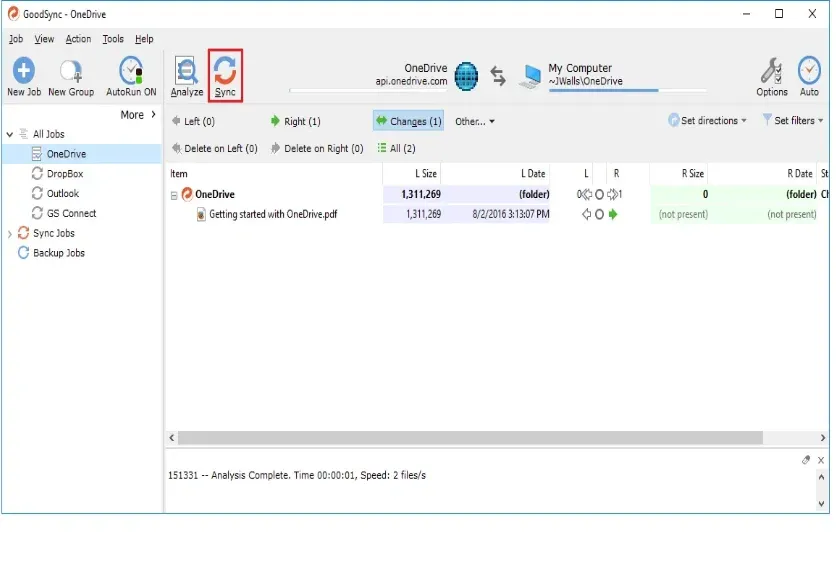
GoodSync is file synchronization and backup software designed to help users keep copies of their files consistent across multiple locations.
Instead of manually copying files from one folder to another, GoodSync can analyze two locations and identify changes. Users can then synchronize those locations according to the selected configuration.
GoodSync can be useful for:
Personal file synchronization
Computer-to-computer file management
External-drive backups
Network storage
NAS environments
Cloud-based storage workflows
Document backups
Photo and video protection
Automated file maintenance
Its synchronization approach can help reduce repetitive file-copying tasks while giving users more control over how files are transferred.
GoodSync Free Download
The phrase GoodSync free download can refer to several different types of access. A software download may be available without an upfront payment while certain advanced features require a license.
Before downloading GoodSync, check:
The current software version
Supported operating systems
Free-use limitations
Trial availability
Personal and business licensing
Supported storage services
Activation requirements
Use a legitimate source for the installer. Avoid cracked, modified, or pre-activated versions because they can introduce security risks and may not receive legitimate updates.
Key Features of GoodSync
Two-Way File Synchronization
Two-way synchronization is useful when files are modified in more than one location.
For example, imagine you work with documents on a desktop computer and a laptop. Changes made on either side can be analyzed so that the selected locations can be brought into synchronization.
Before running a two-way job, carefully review the proposed changes. This is especially important when files have been modified independently in both locations.
One-Way Backup
GoodSync can also be used for one-way backup workflows.
A source folder can be synchronized toward a backup destination, such as:
External hard drives
Network storage
NAS devices
Another computer
Supported cloud storage
A one-way backup strategy can be useful when you want to protect important files without making changes to the original source.
Automatic Synchronization
Manual synchronization can be inconvenient if you need to perform it every day.
GoodSync provides automation options that can reduce repetitive work. Depending on the current version and license, users can configure jobs to run according to schedules or other supported triggers.
Automated synchronization is particularly useful for frequently updated folders containing:
Documents
Business files
Photos
Videos
Project files
Work folders
Cloud Synchronization
Modern file workflows often involve both local and cloud storage.
GoodSync supports synchronization with various supported online storage services and remote locations. This can allow users to connect local folders with supported cloud destinations.
Cloud compatibility can change over time, so check the current GoodSync documentation before selecting a particular service.
Network and External Storage
GoodSync can be useful for organizations and individuals working with multiple physical storage locations.
Depending on the environment, users can synchronize files between:
Internal drives
External USB drives
Network folders
NAS devices
Other supported remote locations
This flexibility makes it possible to create backup strategies that do not rely on a single storage device.
File Versioning
File versioning can be valuable when a file is accidentally changed or overwritten.
Where supported and configured, maintaining previous versions can provide an additional recovery option.
However, versioning should not be considered a replacement for a complete backup strategy. Important data should ideally exist in more than one location.
Automated Monitoring
Depending on the current edition, GoodSync can provide automation and monitoring capabilities that reduce the need to manually launch synchronization jobs.
These options can be useful for workflows where files are frequently updated.
GoodSync for Backup
One of the main reasons people use synchronization software is to protect important files.
A basic backup workflow might look like this:
Computer → External Drive
The computer contains the original files, while the external drive stores a separate copy.
For additional protection, you could use a different destination:
Computer → NAS → Cloud Storage
The exact strategy depends on the importance of your data, available storage, and preferred recovery method.
GoodSync can help automate parts of this workflow, but users should still test their backups regularly.
GoodSync for File Synchronization
Synchronization and backup are related but not identical.
A backup generally aims to preserve another copy of your data, while synchronization aims to keep multiple locations consistent.
For example:
Synchronization:
Computer A ↔ Computer B
Both locations may receive changes.
Backup:
Computer → External Drive
Changes generally move from the primary location toward the backup destination.
Understanding the difference is important because a poorly configured synchronization job can potentially propagate unwanted changes or deletions.
Supported Storage Locations
GoodSync is designed to work with different types of storage environments.
Depending on the current version and license, supported locations can include:
Local folders
External drives
Network folders
NAS storage
Cloud services
Remote storage
Other supported online destinations
Because cloud providers and integrations can change, always verify current compatibility before creating a job around a specific service.
GoodSync System Requirements
System requirements depend on the current GoodSync release and operating system.
Before downloading, check:
Requirement | What to Check |
|---|---|
Operating system | Current supported Windows or macOS version |
Processor | Compatible modern processor |
RAM | Enough memory for your workload |
Storage | Space required for application installation |
Network | Required for remote or cloud synchronization |
Internet | May be needed for downloads, updates, or activation |
Permissions | Access to folders and connected storage |
Users working with large numbers of files may also need to consider available disk space and network performance.
How to Download and Install GoodSync
Step 1: Find a Legitimate Download
Locate the official GoodSync download source and choose the installer appropriate for your operating system.
Avoid third-party installers that bundle unauthorized activation tools.
Step 2: Select Your Platform
Choose the correct version for your computer.
Installing the wrong version can result in compatibility problems.
Step 3: Download the Installer
Save the installation package to a known folder.
Before opening it, verify that it comes from a trustworthy source.
Step 4: Run the Setup
Open the installer and follow the instructions displayed by the installation wizard.
Read each option carefully before proceeding.
Step 5: Complete Installation
Allow the setup process to finish.
After installation, launch GoodSync from the Start menu or desktop shortcut if one was created.
Step 6: Sign In or Activate
Depending on the current licensing model, you may need to sign in or activate the appropriate version.
If a trial is available, follow the official trial process.
Step 7: Create Your First Job
Once GoodSync is open, choose the source and destination locations for your first synchronization or backup job.
How to Create a GoodSync Synchronization Job
Creating a synchronization job involves several basic steps.
Choose the Two Locations
Select the left and right locations you want to compare.
For example:
Left: Documents folder
Right: External backup drive
Analyze the Files
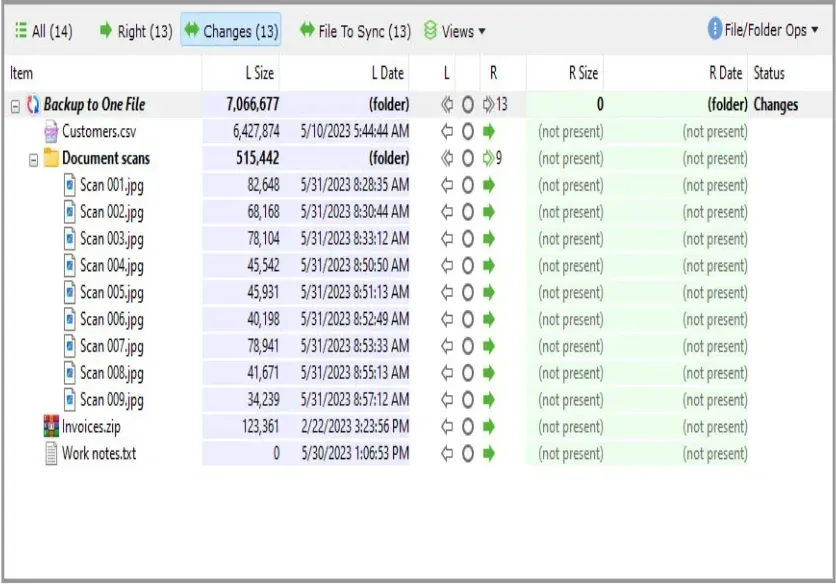
Run the analysis process so GoodSync can identify differences between the two locations.
Review Changes
Carefully examine the proposed file operations.
Look for:
New files
Modified files
Deleted files
Conflicting changes
Files being copied in the wrong direction
Start Synchronization
Once you have confirmed the proposed operations, start the synchronization process.
Verify the Result
After completion, check the destination and make sure the expected files are present.
How to Create a Backup Job
A basic backup job can be created by selecting an important folder as the source and another storage location as the destination.
For example:
Source: Documents
Destination: External Drive / Backup
Configure the job so that changes are copied according to your desired backup strategy.
After the first backup, schedule future runs if your edition supports automated scheduling.
It is also a good idea to periodically open the backup destination and verify that files can actually be accessed.
GoodSync Free vs. Paid Version
GoodSync's exact licensing options and feature limits can change. A general comparison looks like this:
Feature | Free/Trial Access | Paid Access |
|---|---|---|
Software download | Available | Available |
File synchronization | May be limited | Available according to license |
Backup jobs | May be limited | Available |
Scheduling | May be restricted | Available according to plan |
Cloud functionality | Depends on current terms | Expanded options |
Advanced features | May be restricted | Available according to license |
Long-term Pro use | Depends on terms | Licensed use |
Always review the current license information before relying on a particular feature.
Is GoodSync Free?
GoodSync can be downloaded and may offer free or trial access depending on the current product and licensing model.
However, free download and free unlimited use of every feature are not necessarily the same thing.
If you only need basic synchronization, the available free functionality may be sufficient. Users with larger backup requirements, advanced cloud workflows, or professional needs may need a paid license.
Check the current GoodSync terms before deciding which edition is appropriate.
Benefits of Using GoodSync
Automated File Protection
Automated jobs can reduce the chance of forgetting regular backups.
Flexible Synchronization
Users can synchronize different types of storage locations depending on their workflow.
Reduced Manual Work
Once configured correctly, scheduled jobs can perform repetitive synchronization tasks automatically.
Multiple Backup Destinations
GoodSync can help users create workflows involving local, external, network, and supported cloud storage.
Useful for Personal and Professional Data
The same basic synchronization concept can be applied to documents, photographs, projects, and other important files.
GoodSync Safety and Backup Tips
Synchronization software should be configured carefully because an incorrect direction can produce unwanted results.
Review the Direction
Always confirm which location is the source and which is the destination.
Analyze Before Synchronizing
Do not skip the analysis and review process when dealing with important data.
Maintain Multiple Backups
Important information should not exist in only one location.
Test Your Backups
A backup is only useful if you can recover the data when necessary.
Protect Cloud Accounts
Use strong passwords and appropriate account-security features for connected cloud services.
Use Encryption Where Appropriate
Sensitive data should be protected using appropriate security measures supported by your storage environment and GoodSync configuration.
Avoid Unauthorized Versions
Cracked or pre-activated versions can expose your system to malware and may interfere with legitimate updates.
Common GoodSync Problems
Files Are Not Synchronizing
Check folder permissions, network connectivity, job configuration, and whether the files are currently in use by another application.
Incorrect Files Are Being Copied
Review the synchronization direction and analyze the proposed changes before running the job again.
Cloud Connection Fails
Check your internet connection, account credentials, service availability, and the current GoodSync integration requirements.
Network Folders Are Unavailable
Verify that the network location is accessible independently and that your account has permission to access the required folders.
Scheduled Jobs Do Not Run
Check the job schedule, application permissions, computer power settings, and whether the system is available at the scheduled time.
Activation Problems
Verify your GoodSync account and license information and make sure you are using the appropriate version.
GoodSync Alternatives
Several alternatives can be considered depending on whether your priority is synchronization, backup, automation, or cloud storage.
FreeFileSync
FreeFileSync is a popular file and folder synchronization utility with options for comparing and synchronizing local storage.
Syncthing
Syncthing focuses on decentralized file synchronization between devices.
SyncBack
SyncBack provides backup and synchronization tools with different editions for different user requirements.
Duplicati
Duplicati is designed primarily around backup workflows and supports encrypted backups to various destinations.
OneDrive
Microsoft OneDrive provides cloud-based file synchronization as part of the Microsoft ecosystem.
Windows Backup
Windows includes built-in backup functionality that can cover common personal backup requirements.
rsync
rsync is a powerful command-line synchronization tool widely used in technical and server environments.
Frequently Asked Questions
Is GoodSync free to download?
The GoodSync installer can be downloaded through legitimate sources, but available free functionality and licensing limits depend on the current edition and terms.
Does GoodSync have a free version?
GoodSync may offer free functionality or trial access with certain limitations. Check the current product terms for the latest details.
Can GoodSync synchronize two computers?
Yes, synchronization software such as GoodSync can be used to synchronize supported folders between computers when the required network or storage access is configured correctly.
Can GoodSync back up files to an external drive?
Yes, an external drive can be used as a backup destination when it is accessible to the computer and supported by the current version.
Does GoodSync support cloud storage?
GoodSync supports various cloud and remote-storage workflows, although the exact services and capabilities can vary by version and license.
Is GoodSync available for Windows and Mac?
GoodSync has supported desktop operating systems including Windows and macOS. Check the current download page for the latest platform requirements.
Can GoodSync automatically synchronize files?
GoodSync provides automation options for supported jobs. Scheduling and other automation features can depend on the current version and license.
Is GoodSync safe to use?
A legitimate GoodSync installation can be used for file synchronization and backup. Users should carefully configure jobs, review file operations, maintain backups, and download the software from a legitimate source.
Where can I download GoodSync safely?
Use the official GoodSync download source or another legitimate distribution channel. Avoid cracked, modified, or pre-activated installers.
Final Thoughts
GoodSync provides a flexible way to synchronize files and create automated backup workflows across different storage locations. Its ability to work with local folders, external drives, network storage, and supported cloud destinations can make it useful for both personal and professional file-management tasks.
If you are searching for a GoodSync free download, remember that the availability of free features, trials, and advanced functionality depends on the current licensing model. Downloading the installer does not necessarily provide unlimited access to every Pro feature.
For the safest and most reliable experience, use a legitimate installer, review synchronization changes before applying them, maintain multiple backups of important data, and test your recovery process regularly.