Macrium Reflect Free Download – Professional Backup, Imaging, and Recovery Software
Macrium Reflect is a backup and disk-imaging solution designed to help users protect important data, create complete system images, clone storage drives, and recover their computers when something goes wrong. Reliable backup software is especially valuable when dealing with hardware failure, accidental deletion, system corruption, or major Windows problems.
For users searching for a Macrium Reflect free download, it is important to understand that available editions and licensing options can change over time. Users should check the current edition and licensing terms before downloading and installing the software.
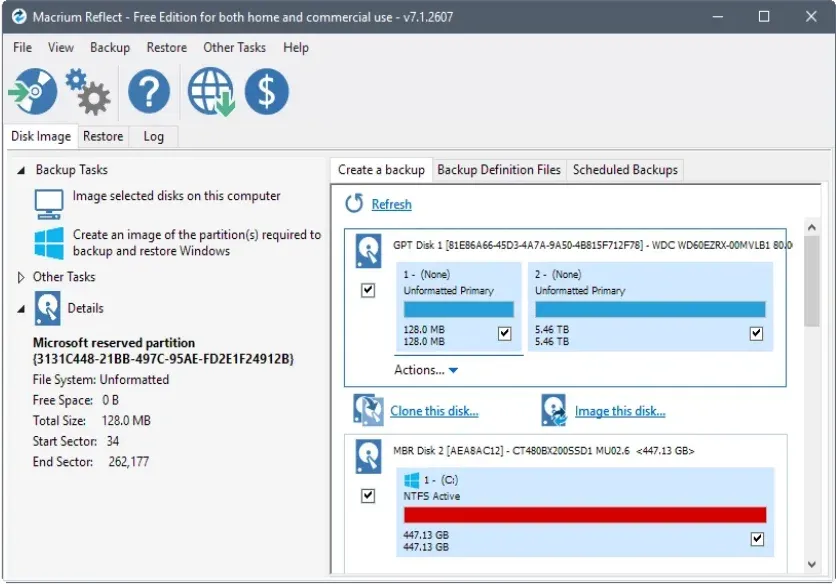
What Is Macrium Reflect?
Macrium Reflect is designed around the concept of creating reliable copies of disks, partitions, files, and folders. A disk image can capture the contents and structure of a storage drive, allowing users to restore a system to an earlier state when necessary.
The software can also be useful when upgrading storage hardware. For example, users may clone an existing drive to another compatible drive and then migrate their operating-system installation and data.
Macrium Reflect is suitable for home users, professionals, and organizations that need a structured approach to backup and recovery.
Key Features of Macrium Reflect
Full Disk Imaging
Disk imaging allows users to create a complete backup image of selected partitions or drives. This can include the operating system, applications, settings, and personal data.
A complete image can be particularly useful when a computer needs to be restored after a serious system failure.
File and Folder Backup
In addition to complete disk images, supported editions can provide file and folder backup capabilities. This allows users to focus on specific documents, projects, photos, or other important data.
Incremental and Differential Backups
Incremental and differential approaches can reduce the amount of data that needs to be backed up after an initial full backup. Instead of creating a completely new copy every time, subsequent backup operations can focus on changes.
This can save storage space and reduce backup times, depending on the chosen configuration.
Disk Cloning
Macrium Reflect can be used for disk-cloning workflows. Cloning creates a copy of a source drive on another storage device, which can be useful when upgrading from an older hard drive to a newer SSD.
Users should carefully verify the source and destination drives before starting a cloning operation because incorrect drive selection can result in data loss.
Scheduled Backups
Automatic scheduling helps users maintain regular backups without having to remember to start the process manually. A suitable schedule can be created according to how frequently important data changes.
Backup Verification
Backup verification can help confirm that created backup files can be read and used for recovery. Regular verification is an important part of maintaining a dependable backup strategy.
Rescue Media
Rescue media provides a recovery environment that can be used when the normal Windows installation cannot start. Creating recovery media in advance can be especially useful during serious system problems.
Disk Imaging vs. Disk Cloning
Disk imaging and disk cloning are related but serve different purposes.
A disk image is a backup representation of a drive or partition that can be stored on another device. It is primarily useful for backup and recovery.
A disk clone creates a copy of one drive onto another drive. It is commonly used when migrating to new storage hardware.
For regular system protection, disk imaging is generally more appropriate because multiple backup images can be maintained over time. For a storage upgrade, cloning can provide a convenient migration method.
Backup and Recovery Options
Macrium Reflect provides a range of backup and recovery workflows depending on the edition. A typical strategy starts with a full system image and then uses additional backups to capture changes.
Users can select an appropriate destination such as an external drive, secondary internal storage, or another supported location. Keeping the backup separate from the original system is important because a failure affecting the main drive should not also destroy its backup.
When recovery is necessary, users can restore an entire system image or use available file-recovery options to retrieve specific information.
Macrium Reflect for System Protection
A computer can experience problems for many reasons. Storage devices can fail, software installations can cause conflicts, and system files can become corrupted. A recent backup can significantly simplify recovery.
Creating system images before major upgrades or changes is also a useful precaution. If something goes wrong, the user may be able to restore the previous working state rather than rebuilding the entire computer manually.
For important computers, backup planning should include both regular backups and a tested recovery method.
Rescue Media
One of Macrium Reflect's useful recovery features is its ability to create bootable rescue media. This can provide access to recovery tools even when the installed Windows environment is unable to boot normally.
A USB drive is commonly used for this purpose. Users should create rescue media before experiencing a system failure and store it somewhere accessible.
It is also a good idea to test the recovery environment when practical. A recovery strategy is most valuable when users already know that their backup files and rescue tools are usable.
Scheduling and Backup Management
A regular schedule makes backup protection more consistent. The ideal frequency depends on how often files and system configurations change.
For example, users working with frequently updated projects may benefit from more frequent backups, while systems with relatively static content may require less frequent operations.
Backup storage should also be managed carefully. Keeping every backup indefinitely can consume considerable space, so users should establish a retention strategy that balances available storage with recovery needs.
User Interface and Ease of Use
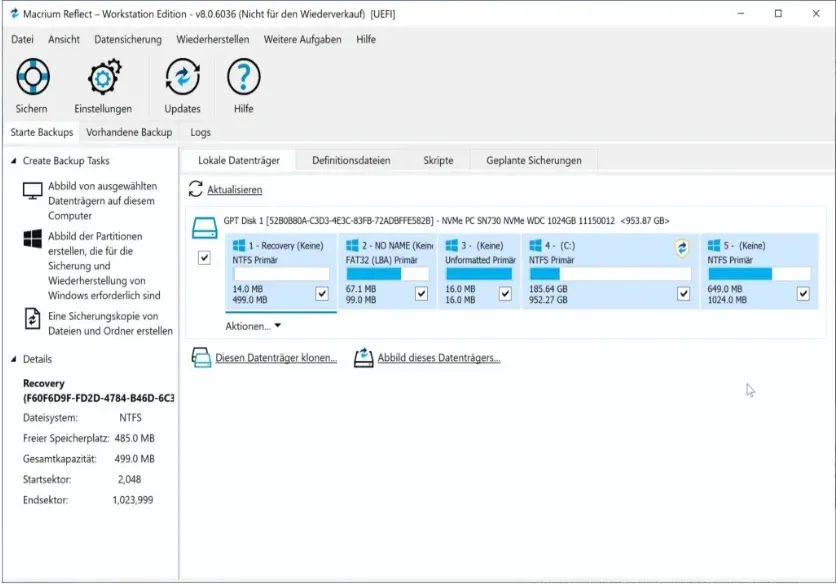
Macrium Reflect provides a structured interface for managing backup, imaging, cloning, and recovery tasks. Users can select drives and partitions, configure backup options, choose destinations, and monitor operations.
Beginners should take time to understand the difference between source and destination drives before performing imaging or cloning tasks. Advanced users can take advantage of additional configuration options to create more specialized backup workflows.
System Requirements
Before starting a Macrium Reflect free download, users should check the requirements for the specific edition and release they plan to install. Important considerations may include:
Supported Windows version
Compatible processor
Required RAM
Available installation space
Sufficient storage for backup images
External or secondary storage for backup destinations
USB media for rescue-media creation
Requirements can change between versions, so checking the current documentation is recommended.
How to Download and Install Macrium Reflect
Users should obtain Macrium Reflect from an official or trusted distribution source. Avoid modified installers or unofficial packages that may contain unwanted software or unauthorized changes.
After downloading the appropriate installer, run the setup program and follow the instructions displayed on screen. Select the desired installation options and allow the setup process to finish.
After installation, launch the software and review its backup and recovery settings. Before creating a backup, identify the important system partitions and choose a suitable destination with enough available storage.
If you intend to use recovery features, create rescue media as part of the initial setup rather than waiting until an emergency occurs.
Tips for Effective Backups
A good backup strategy involves more than simply creating one backup file. Consider the following practices:
Back up regularly: Choose a schedule based on how frequently your data changes.
Use separate storage: Keep backups on a different physical device from the primary system whenever possible.
Verify backups: Check that backup images are usable rather than assuming they will work during an emergency.
Create rescue media: Prepare a bootable recovery option before system problems occur.
Keep important backups protected: Store critical backup data in a secure location.
Test recovery procedures: Periodically confirm that your recovery workflow works as expected.
Maintain sufficient storage: Make sure future backups have enough room to complete successfully.
Pros and Cons of Macrium Reflect
Pros
Comprehensive backup and imaging capabilities
Disk cloning support
Flexible backup workflows
Recovery and rescue-media features
Useful for system migration
Supports scheduled backup operations
Cons
Features depend on the edition
Advanced functionality may require a paid license
Large disk images can require significant storage
Cloning and recovery operations require careful drive selection
Frequently Asked Questions
Is Macrium Reflect free to download?
The availability and terms of free versions depend on the current Macrium Reflect product lineup. Users should check the current licensing information before downloading.
What is Macrium Reflect used for?
It is used for system backup, disk imaging, drive cloning, recovery, and other data-protection workflows.
Can Macrium Reflect clone a hard drive?
Yes, Macrium Reflect supports disk-cloning workflows in applicable editions. Cloning can be useful when migrating an existing system to another storage device.
Can Macrium Reflect create a full Windows backup?
Its disk-imaging functionality can create a backup of Windows system partitions and associated data, depending on the selected configuration and edition.
Does Macrium Reflect support SSDs?
Macrium Reflect can be used with supported SSD storage devices for backup and cloning workflows. Users should verify compatibility and requirements for their specific hardware.
What is Macrium Rescue Media?
Rescue Media is a bootable recovery environment that can provide access to Macrium recovery tools when the normal Windows installation cannot start.
Can Macrium Reflect restore individual files?
Depending on the edition and backup type, users may have options for accessing or restoring individual files from backup images.
How often should backups be created?
There is no single schedule that works for everyone. Users should consider how frequently their important files and system configurations change and create backups accordingly.
Conclusion
Macrium Reflect is a comprehensive solution for users who want to protect their Windows systems through disk imaging, backup, cloning, and recovery. Its combination of scheduled backups, backup verification, recovery options, and rescue media can help users prepare for hardware failures and other unexpected computer problems.
If you are researching a Macrium Reflect free download, check the current edition, licensing terms, system requirements, and legitimate download source before installation. Once properly configured, a consistent backup and recovery strategy can make protecting important data and restoring a computer considerably easier.