JRiver Media Center Free Download – Features, Benefits, and Installation Guide
Introduction
JRiver Media Center is a multimedia management and playback application designed for users who want to organize and enjoy their digital media in one place. Whether you have a large music collection, a library of movies, personal videos, or thousands of photographs, the software provides a centralized environment for managing supported media files.
For music enthusiasts, home theater users, and people who prefer keeping their media collections organized locally, JRiver Media Center offers a range of playback and library management capabilities. Its configurable settings also make it worth exploring for users who want greater control over their digital entertainment experience.
If you are searching for JRiver Media Center Free Download, it is important to understand the available editions, licensing conditions, supported operating systems, and installation requirements. This guide explains the software's main features, potential benefits, system requirements, and steps for obtaining and installing it safely.
What Is JRiver Media Center?
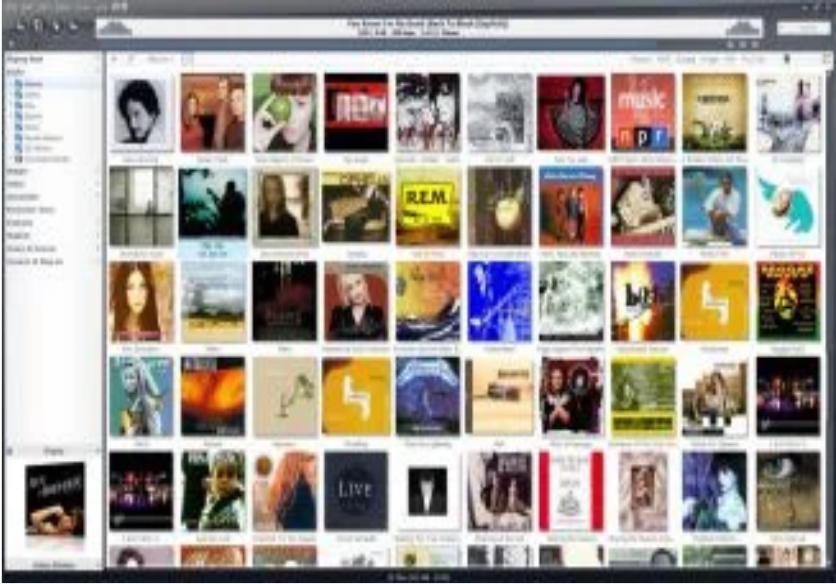
JRiver Media Center is a multimedia application developed by JRiver that brings different types of digital content together in a single library. Instead of using separate applications to browse music, videos, and photographs, users can manage supported media through one interface.
The software is particularly relevant to people who maintain extensive personal media collections. It can help organize files, browse available metadata, create playlists, and play compatible audio and video content. Depending on the version and configuration, additional capabilities may support more specialized playback and home entertainment setups.
JRiver Media Center is designed for users who want more than a basic media player. Its library tools and configuration options make it suitable for people who value organization and customization.
However, the software's interface and available settings may take some time to learn, especially for beginners who have never used a dedicated media management application.
Key Features of JRiver Media Center
1. Centralized Media Library Management
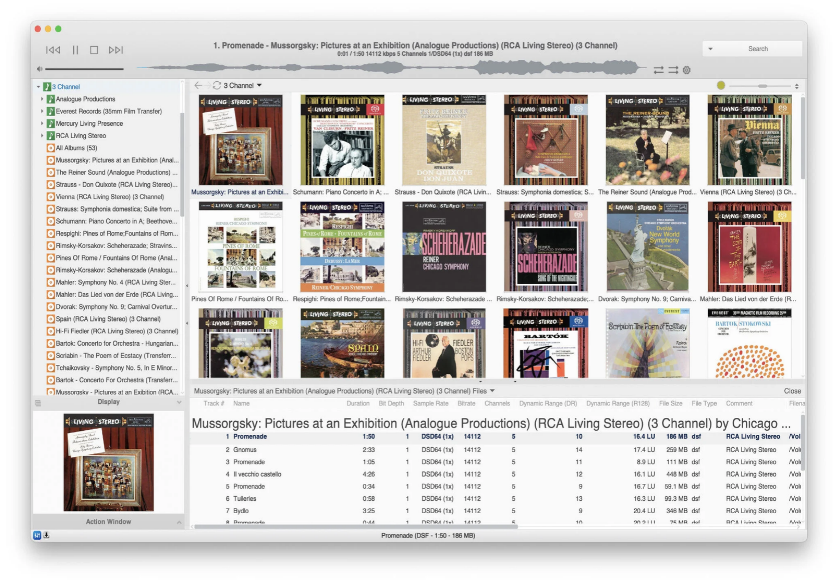
One of JRiver Media Center's main purposes is to organize digital media into a manageable library. Users can bring supported music, video, and image files into a centralized environment and browse their collections more conveniently.
A well-organized library can make it easier to locate particular albums, artists, videos, or photographs. Metadata and other available file information can also help users navigate collections without manually opening individual folders.
This functionality is especially useful for people with large local media archives accumulated over several years. Instead of relying exclusively on a traditional file manager, users can explore their content through the application's library interface.
For the best results, keep your media folders organized and ensure that file names and metadata are reasonably consistent.
2. Music Playback and Audio Management
Music playback is an important part of JRiver Media Center. The application allows users to manage and play supported audio files while maintaining an organized music collection.
Users can browse music according to available library information, create playlists, and arrange tracks for different listening sessions. For example, you might maintain separate playlists for background music, workout sessions, relaxation, or favorite albums.
The application also offers configurable audio options for users who want to adjust their playback environment. The exact settings available depend on the version, operating system, and connected audio equipment.
For listeners with extensive music libraries, combining playback and collection management can provide a more convenient alternative to switching between several applications.
3. Video Playback and Collection Organization
JRiver Media Center also supports video playback and the management of compatible video files. Users can organize personal video collections and access supported content through the same general media environment used for other library items.
This can be useful for people who store movies, recordings, tutorials, and personal videos on their computers or attached storage devices.
Video compatibility depends on factors such as file format, codec, operating system, and configuration. If a particular video does not play correctly, checking its format and the application's supported media documentation is a sensible first step.
A centralized video library can also make it easier to maintain an organized collection instead of searching through multiple folders every time you want to watch something.
4. Photo Library Management
In addition to audio and video, JRiver Media Center can help users browse supported image files. This provides another way to manage personal photographs and other visual media alongside the rest of a digital collection.
Users who store photographs on their computers may appreciate having an application that can access different media categories in one place. Organizing image files into clearly named folders and maintaining useful file information can further improve the browsing experience.
Before importing a large image collection, check the supported formats and available library options for your particular version.
5. Playlist Creation and Media Browsing
Playlists offer a convenient way to group content according to personal preferences. Music listeners can create collections for specific activities, moods, artists, or genres, depending on the application's available organization tools.
A well-maintained playlist system reduces the need to repeatedly search for individual tracks. It can also make everyday playback more convenient when working with a large library.
Media browsing and search tools complement playlists by helping users locate content using available metadata and library organization options.
6. Customizable Playback Settings
JRiver Media Center provides configuration options intended to give users greater control over their media playback experience. Depending on the setup, these may include audio output choices, playback behavior, and other media-related settings.
Such customization can be valuable for users with particular listening preferences or specialized entertainment equipment.
However, advanced configuration is not always necessary. Beginners can start with the default settings and make adjustments only when there is a clear reason to do so.
When using external audio devices, receivers, or other home entertainment equipment, verify that the software and hardware support the intended configuration.
7. Home Theater and Audio Equipment Integration
Users interested in home entertainment may want to explore JRiver Media Center's capabilities beyond basic desktop playback. Its configurable media environment can be relevant to compatible home theater and audio setups.
A successful setup depends on the software version, operating system, output devices, and other equipment. Users should consult the relevant documentation before assuming that a particular device or playback feature is supported.
For those building a home media system, checking compatibility in advance can prevent unnecessary troubleshooting and help establish a more reliable playback workflow.
8. Media Streaming and Network Capabilities
Depending on the version and configuration, JRiver Media Center offers additional options for accessing or sharing media in supported environments.
Network-related features can be useful when users want their media experience to extend beyond a single computer. However, the available capabilities and setup requirements can vary, so it is important to verify the specific function you intend to use.
Users should also configure network access carefully and avoid exposing personal media libraries to untrusted networks or unauthorized users.
Benefits of Using JRiver Media Center
Manage Different Media Types in One Place
One of the main advantages of a centralized media application is convenience. Users can manage supported music, video, and image collections without depending entirely on separate programs for each category.
This can simplify the process of browsing a large personal archive and make everyday media use more organized.
Improve Music Library Organization
People with extensive music collections often need a reliable way to browse tracks, albums, and artists. Library management tools and playlists can make it easier to maintain a collection and find particular songs.
Customize the Listening Experience
Configurable playback options can appeal to users who want to adapt their media setup to their preferences and compatible equipment.
The usefulness of these options depends on individual needs. A casual listener may prefer simple playback, while an enthusiast may value additional control.
Support a Home Entertainment Setup
JRiver Media Center may be worth considering for users who want to build an organized digital entertainment environment around their computer and compatible equipment.
Before choosing it for a specialized setup, review the available documentation to ensure the features match your requirements.
Reduce Media Management Complexity
Keeping different collections accessible through one application can reduce the need to switch between separate media tools. Combined with consistent file organization, this can make a personal media archive easier to maintain over time.
System Requirements
Before downloading JRiver Media Center, check the official requirements for the specific version you plan to install. Requirements can differ between releases and operating systems.
Important considerations include:
Operating system: Confirm whether your Windows, macOS, or other supported system is compatible with the selected release.
Processor: Check the recommended processor specifications for your intended playback tasks.
RAM: Ensure that your computer has enough memory for the application and other running programs.
Storage: Allow sufficient space for the application, database files, and any related components.
Graphics hardware: Review any relevant requirements for video playback and display functionality.
Audio equipment: Confirm compatibility with your sound card, external DAC, receiver, or other devices.
Network configuration: Review additional requirements if you plan to use network-related features.
Large media libraries also require sufficient storage for the actual audio, video, and image files. Keeping a backup of important personal media is recommended before making major changes to your library.
JRiver Media Center Free Download
If you are looking for JRiver Media Center Free Download, start by visiting the official JRiver website and identifying the version appropriate for your operating system.
JRiver Media Center is commercial software, so downloading an installer does not necessarily mean that the full application can be used indefinitely without payment. Trial availability, registration requirements, and licensing terms should be checked on the publisher's website.
Follow these recommendations before downloading:
Locate the official JRiver Media Center product page.
Select the appropriate version for your operating system.
Review the current licensing and trial conditions.
Check the system requirements before starting the download.
Obtain the installer from the publisher or an authorized source.
Avoid unofficial packages that advertise unauthorized activation or modified licensing.
Scan the downloaded file with reputable security software before opening it.
A legitimate trial, when available, can help you evaluate the interface, library management tools, and playback options before purchasing a license.
Be cautious of third-party websites that promise a permanently free commercial edition without providing verifiable licensing information. Using an authentic installer also reduces the risk of unwanted software or tampered files.
How to Install JRiver Media Center
After obtaining a legitimate installer, follow the general installation procedure below. Exact steps may vary depending on your operating system and software release.
Step 1: Check Your Computer
Confirm that your operating system and hardware meet the requirements for the selected version. Make sure you have sufficient storage space and access to any necessary installation permissions.
Step 2: Download the Correct Installer
Visit the official JRiver website and select the appropriate download for your system. Check the version information before saving the installer.
Step 3: Run the Installation File
Locate the downloaded file and open it. If your operating system displays a security warning, verify the file's source and publisher information before proceeding.
Step 4: Follow the Setup Instructions
Read the installation prompts and choose the appropriate options. Avoid installing additional components that you do not recognize or need.
Step 5: Complete Registration if Required
If your selected edition requires a license or activation, follow the publisher's instructions. Trial editions may use different registration conditions from paid licenses.
Step 6: Launch the Application
Open JRiver Media Center after installation. Take a few moments to familiarize yourself with its interface and available library options.
Step 7: Add Your Media Files
Configure the library to access your supported media folders. Begin with a small collection so you can check that files appear correctly and playback works as expected.
Step 8: Configure Playback
Test a few audio and video files. If you use external equipment, confirm that the correct output device is selected and that your configuration is compatible with the software.
Step 9: Maintain Your Library
Keep your folders organized and back up important files regularly. If you make significant changes to your media collection, verify that the library reflects those changes correctly.
Pros and Cons of JRiver Media Center
Pros
Brings supported audio, video, and image collections into one environment.
Provides media library organization tools.
Supports playlist creation and music browsing.
Offers configurable playback options.
May suit users with extensive local media collections.
Can be considered for compatible home theater and audio setups.
Cons
The interface and settings may take time for beginners to learn.
Commercial licensing may be required for continued use.
Some formats or playback configurations may require additional setup.
Advanced features may be unnecessary for casual users.
Network and hardware compatibility should be checked before configuring specialized setups.
Who Should Use JRiver Media Center?
Music Enthusiasts
Users with large music collections may appreciate the ability to organize tracks, browse library information, create playlists, and configure supported playback options.
Home Theater Users
People interested in a computer-based entertainment setup can investigate its playback and configuration capabilities, provided the relevant features are compatible with their equipment.
Video Collection Owners
Users who maintain personal video libraries may benefit from having supported video files organized within the same application as their other media.
Digital Media Collectors
People with extensive local collections of music, videos, and photographs may find a centralized media library more convenient than using separate applications for each file type.
Users Who Prefer Customization
JRiver Media Center may appeal to people who want to explore configurable playback options instead of relying exclusively on a simple, minimal media player.
Users who only need to play an occasional audio file may prefer a lighter application with fewer configuration options.
JRiver Media Center Alternatives
If JRiver Media Center does not match your requirements, several other media applications are worth investigating.
VLC Media Player: A versatile media player commonly used for playing a wide range of supported audio and video formats.
foobar2000: An audio player known for customization and music library management capabilities.
Kodi: A media center application designed around organizing and enjoying digital entertainment.
MusicBee: A music management and playback application for users who want to organize personal music collections.
Each application has different strengths, supported platforms, and licensing arrangements. Compare library management, playback compatibility, ease of use, and cost before choosing an alternative.
Frequently Asked Questions
What is JRiver Media Center used for?
JRiver Media Center is used to manage and play supported digital media, including music, video, and photographs. Its library tools and configuration options can be useful for people who maintain extensive personal collections.
Is JRiver Media Center available as a free download?
You may be able to download an installer or access a trial, depending on the publisher's current offerings. The full application may require a paid license. Check the official website for current conditions.
Which operating systems does JRiver Media Center support?
Supported operating systems depend on the release. Consult the official requirements and download information to find a compatible version for your computer.
Can JRiver Media Center organize music and videos?
Yes. The application is designed to manage supported media types, including audio and video. Available library functions and file compatibility depend on the version and configuration.
Is JRiver Media Center suitable for beginners?
Beginners can use it, but the interface and configuration options may require some learning. Starting with a small media library and default playback settings can make the initial experience easier.
Can I use JRiver Media Center with a home theater system?
It may work with compatible home theater equipment and supported playback configurations. Verify device compatibility and the documentation for your selected version before setting up an advanced system.
Is it safe to download JRiver Media Center from third-party websites?
Unofficial installers may contain unwanted or modified software. The official publisher or an authorized source is generally the safer option. Check the file's origin and scan it before installation.
Does JRiver Media Center require a license?
Commercial use conditions depend on the edition and the publisher's current terms. Check whether your version requires registration, a trial period, or a paid license.
Final Verdict
JRiver Media Center is a multimedia management application worth considering for users who want to organize and play supported music, video, and image collections in one place. Its library tools, playlists, and configurable playback environment can be particularly useful for people with extensive personal media archives or compatible home entertainment setups.
The software may be more than some casual users need, and beginners may require time to understand its available settings. Evaluating the interface and checking compatibility before committing to a particular edition can help you determine whether it fits your workflow.
If you are searching for JRiver Media Center Free Download, visit the official JRiver website to review the current installer, trial availability, system requirements, and licensing terms. Choosing an authentic download and configuring the software carefully will help you build a more organized and dependable digital media experience.