Vivaldi Browser – Free Download for Windows, Mac, Linux, Android & iOS
What Is Vivaldi Browser?
Vivaldi is a feature-rich web browser developed by Vivaldi Technologies. It is built on Chromium, the open-source browser project that also provides the foundation for Google Chrome. This gives Vivaldi compatibility with many modern websites while offering a different interface and a wider range of built-in customization options.
The browser is designed for users who want more than basic web navigation. It includes advanced tab management, customizable themes, an integrated ad and tracker blocker, browser panels, notes, synchronization, and productivity tools.
Vivaldi is available for desktop computers and mobile devices. Its free download makes it accessible to users who want a flexible browsing experience without purchasing a browser license.
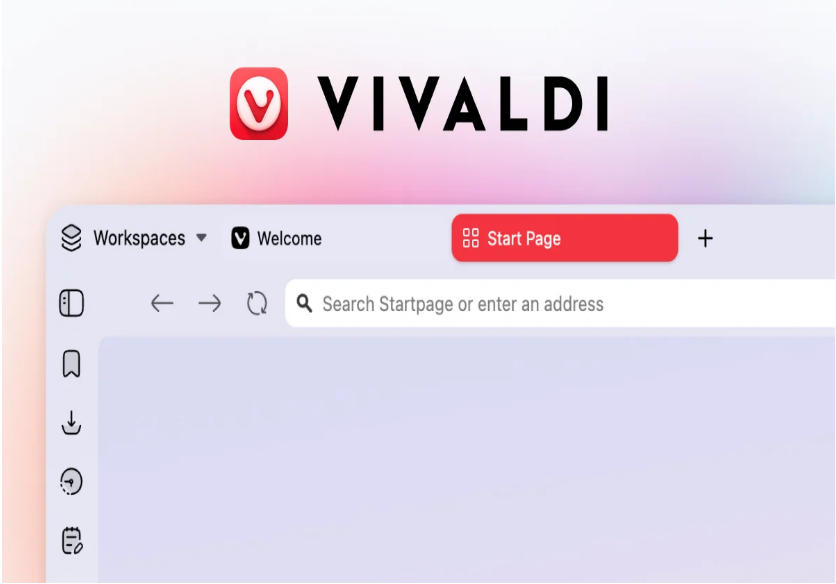
What's New in Vivaldi 8.3?
Vivaldi 8.3 is the latest stable release listed by the developer as of November 8, 2026. The desktop version is listed as 8.3 (4191.30), while the Android and iOS versions have their own release numbers.
The 8.3 update focuses on privacy, tab management, and smoother browsing. Its main improvements include:
Rebuilt Ad and Tracker Blocker: Updated blocking controls give users more control over unwanted advertisements and tracking activity.
Improved Vertical Tabs: The vertical tab bar receives additional improvements, including better ways to organize tabs.
Faster Reader Mode: Reader Mode opens faster and provides smoother scrolling for a more comfortable reading experience.
Tab Groups API Support: Compatibility with Chrome's Tab Groups API helps supported extensions work with tab groups in Vivaldi.
Mobile Improvements: The mobile release includes the redesigned Ad and Tracker Blocker, updated media controls on Android, and performance improvements on iOS.
These updates make Vivaldi 8.3 a useful release for people who value privacy, organized browsing, and customization.
For the latest changes, check the official Vivaldi release announcements.
Key Features of Vivaldi Browser
Vivaldi combines familiar browsing functions with tools that help users organize their work. Here are some of its most useful features.
1. Advanced Tab Management
Managing multiple websites can become difficult when dozens of tabs are open. Vivaldi provides several ways to organize tabs and keep related pages together.
Its Tab Stacks feature allows users to group related tabs under one main tab. For example, you can create separate groups for research, shopping, work projects, and entertainment.
Other tab management options include:
Tab Stacking for grouping related pages.
Two-Level Tab Stacks for displaying grouped tabs in a separate row.
Vertical tabs for using a sidebar instead of a horizontal tab bar.
Tab Tiling for viewing multiple websites side by side.
Workspaces for separating browsing activities.
Tab muting and other tab controls.
These options are especially useful for researchers, students, developers, and professionals who regularly work with many websites.
2. Extensive Browser Customization
One of Vivaldi's biggest strengths is its customization system. Users can adjust the browser's appearance and behavior instead of relying on a fixed interface.
Customization options include:
Custom themes and color schemes.
Adjustable browser toolbars.
Light and dark appearance settings.
Customizable menus.
Flexible tab bar placement.
Personalized Start Page layouts.
Custom keyboard shortcuts.
Mouse gestures.
You can create a simple interface for everyday browsing or configure a more detailed workspace for professional tasks.
3. Built-in Ad and Tracker Blocker
Vivaldi includes an integrated Ad and Tracker Blocker that helps reduce unwanted advertisements and tracking requests while browsing.
Users can select different blocking levels and adjust protection settings according to their preferences. The feature can help reduce intrusive page elements and limit certain tracking activities.
The redesigned blocker in version 8.3 provides more control over what gets blocked on individual websites.
Keep in mind that no browser blocker can guarantee that every advertisement or tracking method will be stopped. Some websites may also require adjustments to blocking settings to function correctly.
4. Web Panels
Web Panels allow users to open websites in a side panel without leaving their current page.
This is convenient when you need to check a messaging service, reference website, online tool, or another frequently visited page while working in the main browser window.
For example, you can keep a reference page open in a panel while writing a document in another tab. This reduces the need to switch repeatedly between separate browser windows.
5. Built-in Notes
Vivaldi includes a Notes feature for saving useful information while browsing.
Users can create notes, organize information, and associate notes with their browsing activities. It can be useful for collecting research details, saving reminders, writing short ideas, or keeping important information available inside the browser.
Instead of opening a separate note-taking application for every small task, you can use the built-in tool for quick notes.
6. Quick Commands
Quick Commands provide a searchable command interface for controlling different parts of the browser.
You can use this feature to find open tabs, search bookmarks, access browsing history, execute commands, and locate settings.
It is particularly useful for keyboard-focused users who prefer shortcuts instead of navigating multiple menus.
7. Tab Tiling and Split-Screen Browsing
Vivaldi's Tab Tiling feature allows users to display multiple websites in one browser window.
This can be helpful when comparing products, reading documentation while coding, checking reference material, or researching several sources simultaneously.
Depending on the selected layout, you can arrange pages side by side or in other supported tile configurations.
8. Speed Dial and Bookmarks
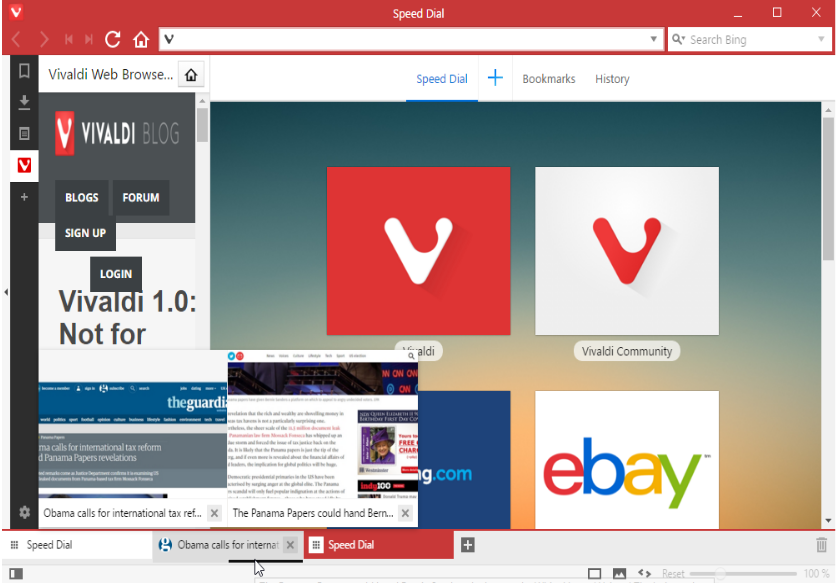
Vivaldi provides a customizable Start Page with Speed Dial shortcuts. Users can add frequently visited websites and organize them into folders for quick access.
The bookmark manager also helps organize saved websites into categories.
These tools make it easier to access commonly used pages without repeatedly entering website addresses.
9. Browser Extensions
Because Vivaldi is based on Chromium, it supports many extensions designed for Chromium-based browsers.
Users can add compatible extensions through the Chrome Web Store and manage installed extensions from the browser.
Extensions can provide additional tools for productivity, password management, web development, shopping, and other tasks. Compatibility may vary, so check an extension's requirements before installing it.
10. Built-in Translation
Vivaldi includes a translation feature that helps users understand webpages written in different languages.
This is useful when researching international websites, reading foreign-language articles, or accessing information from sources that do not publish content in your preferred language.
11. Mouse Gestures and Keyboard Shortcuts
Vivaldi offers customizable mouse gestures and keyboard shortcuts for common browsing actions.
Mouse gestures allow users to perform selected commands through mouse movements. Keyboard shortcuts provide another way to navigate tabs, open menus, manage pages, and control browser functions.
These features can make repetitive browsing tasks faster once you become familiar with the available commands.
12. Privacy and Synchronization
Vivaldi provides privacy-related controls and synchronization features for users who want to access selected browser information across multiple devices.
Depending on the synchronization settings, users can sync items such as bookmarks, open tabs, notes, and saved logins.
Vivaldi also provides private browsing and controls for managing website permissions and stored browsing information. Users should review their privacy settings and synchronization choices to decide what information they want to share between devices.
Vivaldi Browser Productivity Tools
Vivaldi is more than a basic website viewer. It includes several built-in tools designed to reduce the need for separate applications.
Vivaldi Mail
Vivaldi Mail is an integrated email client designed to help users manage email accounts from within the browser. It supports organizing messages and working with multiple email accounts.
Vivaldi Calendar
The built-in Calendar provides a way to manage events and schedules. Users can organize appointments and keep calendar-related activities accessible within the Vivaldi environment.
Feed Reader
Vivaldi's Feed Reader helps users follow updates from supported websites and publications through RSS feeds.
Instead of visiting every website individually, you can use feeds to keep track of new articles and updates in one place.
Availability and configuration of these tools may depend on the version and setup you use.
Vivaldi Browser Supported Platforms
Vivaldi is available across several operating systems, allowing users to choose a version that matches their device.
Vivaldi for Windows
The Windows version is designed for desktop and laptop computers. The official download page provides different installers for supported processor architectures, including Windows 64-bit Intel/AMD and ARM64.
Legacy installer options may also be listed separately. Users should choose the package appropriate for their Windows version and hardware.
Vivaldi for macOS
The macOS edition provides Vivaldi's desktop browsing and productivity features for compatible Mac computers.
The official download page lists a macOS 13 or later 64-bit package. Check the current download information before installing to confirm compatibility with your Mac.
Vivaldi for Linux
Vivaldi supports Linux users through packages for compatible distributions.
Official download options include DEB and RPM packages, with ARM64 packages also listed. Select the package that matches your distribution and processor architecture.
Vivaldi for Android
The Android version offers mobile browsing with privacy controls, ad blocking, tab synchronization, and customization options.
Users can install the application through supported app stores or use the official download options provided by Vivaldi.
Vivaldi for iOS
Vivaldi is also available for iPhone and other supported Apple mobile devices. It offers a mobile browsing experience with customization, privacy-related controls, and synchronization features.
Vivaldi System Requirements
Vivaldi's exact requirements depend on the operating system, processor architecture, and browser release. The official download page provides different installers for supported platforms.
Before installing, consider these general compatibility points:
Requirement | Details |
|---|---|
Operating systems | Supported Windows, macOS, and Linux versions |
Windows architecture | Intel/AMD 64-bit, ARM64, and selected legacy packages |
macOS | Official page lists macOS 13 or later |
Linux | Compatible DEB and RPM distributions |
Android | Compatible Android device |
iOS | Compatible iPhone or iOS device |
Storage | Free space for the installer, browser files, and user data |
Internet | Required for downloading and accessing online services |
For the most accurate compatibility information, visit the official Vivaldi download page and select your operating system.
A computer with sufficient memory and available storage will generally provide a smoother experience, particularly when using many tabs, extensions, and web applications simultaneously.
Vivaldi Free Download
Vivaldi is free to download and use. Users do not need to purchase a standard browser license to access its main browsing features.
The safest way to get Vivaldi is through the official website. It provides installers for different desktop operating systems and links to mobile versions.
Download Vivaldi for Windows
Visit the official Vivaldi download page.
Select the Windows installer that matches your processor architecture.
Download the installation file.
Wait for the download to finish.
Open the installer to begin setup.
Download Vivaldi for macOS
Open the official Vivaldi download page.
Select the macOS installer.
Download the installation package.
Open the downloaded file.
Follow the macOS installation instructions.
Download Vivaldi for Linux
Visit the official download page.
Select the appropriate DEB or RPM package.
Choose the package that matches your system architecture.
Download the installer.
Install it using your distribution's supported package installation method.
Download Vivaldi for Android and iOS
For Android, find Vivaldi through a supported app store or use the official mobile download information. For iOS, visit the App Store and search for Vivaldi.
Always verify the application publisher before installing a mobile browser.
How to Install Vivaldi on Windows
Installing Vivaldi on a Windows computer is straightforward.
Step 1: Download the Installer
Visit the official Vivaldi website and download the correct Windows installation file.
Step 2: Open the Setup File
Locate the downloaded installer in your Downloads folder and open it.
Step 3: Review Installation Options
Follow the setup instructions. Depending on the installer, you may be able to select installation preferences and other configuration options.
Step 4: Complete the Installation
Allow the setup process to finish. The required browser files will be installed on your computer.
Step 5: Launch Vivaldi
Open Vivaldi from the desktop shortcut or Start menu.
Step 6: Customize Your Browser
Choose a theme, configure the Start Page, adjust privacy settings, and organize your tabs according to your preferences.
After setup, you can begin browsing websites, importing bookmarks, and installing compatible extensions.
How to Use Vivaldi Browser
Vivaldi includes many features, but you do not need to configure everything immediately. Start with the tools that match your everyday browsing habits.
Set Up Your Start Page
Use Speed Dial to add shortcuts to websites you visit regularly. Organize them into folders so important pages are easier to find.
Organize Your Tabs
Create Tab Stacks for related websites. You can use separate groups for work, research, entertainment, and personal browsing.
Enable Ad and Tracker Blocking
Open the browser's privacy settings and choose the blocking level you prefer. You can adjust the settings if a website does not work as expected.
Install Extensions
Open the extension management area or Chrome Web Store and find compatible extensions. Review permissions before adding any extension to your browser.
Synchronize Your Devices
If you use Vivaldi on more than one device, explore its synchronization settings. Choose which supported browser data you want to sync.
Explore Productivity Tools
Try Notes, Web Panels, Quick Commands, Mail, Calendar, and Feed Reader. These features can help keep common browsing tasks in one place.
Advantages and Disadvantages of Vivaldi
Before choosing a browser, it is useful to consider both its strengths and limitations.
Advantages
Free to download and use.
Extensive interface customization.
Advanced tab organization and Tab Stacks.
Built-in ad and tracker blocking.
Web Panels for convenient multitasking.
Notes, Calendar, Mail, and Feed Reader tools.
Compatibility with many Chromium extensions.
Desktop and mobile availability.
Synchronization between supported devices.
Disadvantages
The large number of settings can feel complicated to beginners.
Some features require time to configure.
Performance depends on hardware, extensions, and the number of open tabs.
Not every Chromium extension is guaranteed to work perfectly.
Advanced customization may be unnecessary for users who prefer a simple browser.
Vivaldi vs Other Web Browsers
Vivaldi competes with several popular browsers, but its focus on customization and built-in productivity tools gives it a different approach.
Vivaldi vs Google Chrome
Google Chrome is known for its familiar interface, broad website compatibility, and large extension ecosystem. Vivaldi offers many similar Chromium-based browsing capabilities while providing more built-in customization and tab management options.
Chrome may suit users who prefer a straightforward browsing experience, while Vivaldi can appeal to people who want more control over their workspace.
Vivaldi vs Mozilla Firefox
Mozilla Firefox uses a different browser engine and offers its own privacy, customization, and extension features. Vivaldi focuses heavily on integrated productivity tools and interface flexibility.
The best choice depends on your preferred browser ecosystem, privacy priorities, and everyday workflow.
Vivaldi vs Microsoft Edge
Microsoft Edge is integrated with Windows and offers features such as Microsoft services integration and productivity tools. Vivaldi provides a more customizable interface and a different set of built-in browser utilities.
Users who want a highly configurable browser may prefer Vivaldi, while people working extensively with Microsoft services may find Edge convenient.
Who Should Use Vivaldi?
Vivaldi can be a suitable choice for different types of users.
Students: Tab Stacks, Notes, bookmarks, and Web Panels can help organize study materials and research websites.
Professionals: Workspaces and split-screen browsing can make it easier to manage multiple projects and online tools.
Developers: Chromium compatibility, browser extensions, and flexible browsing controls can support development workflows.
Researchers: Tab organization and quick access to reference websites can help manage information from multiple sources.
Privacy-conscious users: Built-in ad and tracker blocking and configurable privacy settings provide additional browsing controls.
Customization enthusiasts: Themes, keyboard shortcuts, mouse gestures, and adjustable toolbars allow users to personalize the browser.
Is Vivaldi Safe to Download?
Vivaldi should be downloaded from its official website or a trusted app store. Using the official installer helps ensure that you receive the browser package published by Vivaldi Technologies.
Avoid unofficial installers, modified browser packages, and download sites that bundle unrelated software. Before installation, verify the publisher and review the permissions requested by the application.
You should also keep Vivaldi updated. Browser updates can include security fixes, compatibility improvements, and bug corrections.
How to Update Vivaldi
Keeping your browser updated is important for security and performance.
You can check the installed version and update status through Vivaldi's About page. On desktop, open the Vivaldi menu, select Help, and choose About. The page displays version information and can indicate whether an update is available.
Depending on your installation and update settings, Vivaldi may download updates automatically or provide an option to download and install them.
For mobile devices, check the relevant app store for available updates.
Frequently Asked Questions
1. Is Vivaldi free to download?
Yes. Vivaldi Browser is free to download and use. Its main browsing features are available without purchasing a standard browser license.
2. Is Vivaldi available for Windows 11?
Yes. Vivaldi provides Windows installers for supported systems, including modern 64-bit Windows computers. Check the official download page for current compatibility details.
3. Does Vivaldi support Chrome extensions?
Vivaldi supports many Chromium-compatible extensions, including extensions available through the Chrome Web Store. However, individual extension compatibility may vary.
4. Does Vivaldi have a built-in ad blocker?
Yes. Vivaldi includes an integrated Ad and Tracker Blocker with configurable protection options.
5. Can I use Vivaldi on Android?
Yes. Vivaldi offers an Android browser with mobile browsing features, privacy controls, and synchronization options.
6. Is Vivaldi available for iPhone?
Yes. Vivaldi is available for iOS through the Apple App Store.
7. Can I import bookmarks from another browser?
Vivaldi supports importing browser data from compatible browsers. Available import options may depend on your operating system and the browser you are switching from.
8. Does Vivaldi support private browsing?
Yes. Vivaldi includes private browsing windows. Private browsing limits some local browsing history storage, but it does not make you completely anonymous online.
9. Can I synchronize Vivaldi across devices?
Yes. Vivaldi provides synchronization for supported browser data, allowing users to access selected information across compatible devices.
10. How do I check my Vivaldi version?
Open the Vivaldi menu, go to Help, and select About. The page displays the installed browser version and update information.
Conclusion
Vivaldi is a customizable web browser that combines everyday internet browsing with advanced tab management, privacy controls, and built-in productivity tools. Its Tab Stacks, Workspaces, Web Panels, Notes, Quick Commands, and customization options make it particularly useful for people who work with multiple websites and prefer a personalized browsing environment.
The latest stable release listed on the official website is Vivaldi 8.3, with desktop and mobile versions receiving their own updates. The browser is available for Windows, macOS, Linux, Android, and iOS.
If you are looking for a flexible browser without a standard download or usage fee, Vivaldi free download is worth considering. Visit the official website, select the installer for your device, and explore its features to build a browsing setup that suits your needs.