Plantly: Plant Identifier – Free Download for Android
Plantly: Plant Identifier is an Android application designed to help users recognize unfamiliar plants using photographs. Whether you are exploring a garden, caring for indoor plants, or learning about different flowers and trees, the app provides a convenient way to discover plant information through image-based identification.
Developed by Blazing App Studio, Plantly offers an AI-assisted approach to plant recognition. Users can submit plant photographs, review identification suggestions, and explore available information about the plants they discover. The application is aimed at gardening enthusiasts, students, nature lovers, and anyone interested in learning more about the plants around them.
If you are searching for Plantly: Plant Identifier free download, this guide covers its features, identification process, plant care information, Android installation, privacy considerations, and available download options.
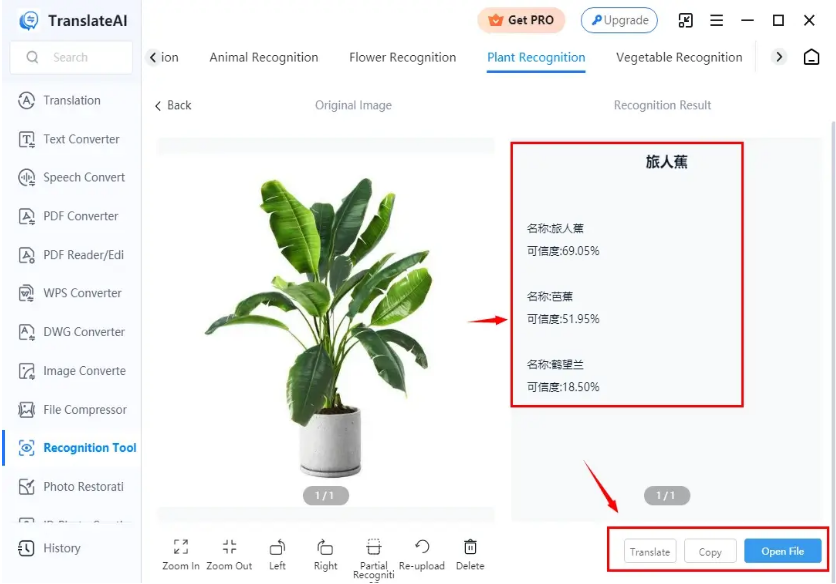
What Is Plantly: Plant Identifier?
Plantly: Plant Identifier is a mobile plant recognition application available for Android devices through Google Play. It is designed to make plant identification easier by allowing users to take pictures or select existing photographs for analysis.
Traditional plant identification often involves comparing leaves, flowers, stems, and other characteristics with reference books or online resources. Plantly simplifies this process by using image-based analysis to suggest possible plant identities.
After submitting a photograph, users can review the available identification information and explore general plant characteristics. The application also provides plant-related care guidance, helping users learn about basic requirements such as watering and sunlight.
Plantly may be particularly useful for people who are beginning their gardening journey and want a convenient way to explore unfamiliar plant species.
Key Features of Plantly: Plant Identifier
1. AI-Assisted Plant Identification
The main feature of Plantly is its image-based plant recognition capability. Users can take a photograph of an unfamiliar plant or select an existing image from their device.
The application analyzes the submitted image and provides possible identification results. This can help users recognize flowers, garden plants, houseplants, and other vegetation.
For better results, use clear photographs with visible leaves, flowers, or other distinctive plant characteristics.
2. Camera-Based Plant Recognition
Plantly makes plant identification more convenient through photographs. Instead of manually searching through long lists of plant names, users can capture an image and submit it for analysis.
This feature can be helpful when exploring parks, gardens, nurseries, or outdoor environments.
3. Plant Information
After identifying a plant, users can explore the information provided by the application. This may help them understand plant names, general characteristics, and other available details.
Plant information can be useful for beginners who want to learn about different varieties and become more familiar with common plant species.
4. General Plant Care Guidance
Identifying a plant is only one part of looking after it. Understanding its basic care requirements is also important.
Plantly provides general plant care information, including guidance related to watering and sunlight. These details can help users develop a basic understanding of what a plant may need.
However, plant care requirements can vary depending on climate, soil, pot size, season, and growing conditions. Always verify important care decisions with reliable horticultural information.
5. Personal Plant Collection
Keeping track of identified plants can make gardening more organized. Plantly provides collection-related functionality that allows users to save plant discoveries and revisit them later.
This can be useful for people who regularly identify new plants or want to maintain a record of their gardening interests.
6. Simple User Interface
Plantly is designed around a straightforward identification workflow. Users can access its main functions without needing advanced botanical knowledge.
The photo-based approach makes the application approachable for beginners, students, and casual plant enthusiasts.
7. Convenient Plant Discovery
The application can support everyday plant discovery. Users can explore unfamiliar flowers, leaves, and garden plants by submitting photographs.
It provides a starting point for learning about nature without requiring users to identify every plant manually.
How Does Plantly Identify Plants?
Plantly uses image-based analysis to suggest the identity of a plant. The general process involves submitting a photograph and reviewing the identification information returned by the application.
A typical identification process includes:
Open Plantly on your Android device.
Choose the photo identification option.
Take a photograph or select an existing plant image if the option is available.
Submit the photograph for analysis.
Wait for the application to process the image.
Review the suggested plant identification.
Explore the available plant information.
Save the result to your collection if supported.
The quality of the photograph can influence the usefulness of the results. Try to capture the plant clearly, avoid excessive shadows, and focus on distinctive features such as leaves, flowers, or fruit.
AI-based identification is not always correct. If the result is uncertain, compare it with additional plant references before relying on it.
Types of Plants You Can Explore
A plant identification application can be useful in different environments. Depending on its recognition coverage, Plantly may help users explore categories such as:
Houseplants
Identify unfamiliar indoor plants and learn more about their general characteristics and care requirements.
Flowers
Explore flowering plants in gardens, parks, and outdoor spaces.
Garden Plants
Use photographs to investigate plants growing in home gardens and landscaped areas.
Trees
Submit clear images of leaves or other distinctive features to explore possible tree identities.
Succulents
Learn about different succulent varieties and explore their general characteristics.
Outdoor Vegetation
Investigate unfamiliar plants encountered during walks, trips, and nature activities.
Identification coverage can vary. Do not assume that every plant species or regional variety will be recognized accurately.
Plant Information and Care Guidance
Plantly is intended to do more than suggest plant names. Its plant-related information can also help users understand basic growing and maintenance requirements.
Watering Information
Watering needs differ significantly between plant varieties. Some plants prefer consistently moist soil, while others require the soil to dry between watering sessions.
Use the application's care information as a starting point, then consider your plant's environment and growing conditions.
Sunlight Requirements
Light exposure is another important factor in plant health. Some plants grow well in direct sunlight, while others prefer indirect light or shaded locations.
Learning about a plant's general light preferences can help users choose an appropriate place for it.
General Plant Maintenance
Plant care can involve soil selection, drainage, pruning, temperature, and humidity. Identification information may help users find more specific guidance for their plants.
For valuable or sensitive plants, consult reliable gardening resources rather than depending on a single automated recommendation.
Benefits of Using Plantly
Plantly offers several potential advantages for people interested in identifying and learning about plants.
Convenient identification: Photograph-based recognition can simplify the search for unfamiliar plant names.
Beginner-friendly approach: Users do not need extensive botanical knowledge to start exploring plants.
Plant discovery: The application encourages users to learn more about their surroundings.
Care information: General watering and sunlight guidance can provide a useful starting point.
Personal organization: Collection functionality can help users revisit saved plant discoveries.
Mobile access: Android availability makes plant identification convenient while exploring gardens and outdoor locations.
Who Should Use Plantly?
Gardening Enthusiasts
Gardeners can use plant identification tools to investigate unfamiliar varieties and learn about general care requirements.
Indoor Plant Owners
People who keep houseplants may find photo-based identification useful when they receive or purchase unfamiliar plants.
Students and Learners
Students interested in biology, botany, and environmental studies can use plant identification applications as supplementary learning tools.
Nature Lovers
People who enjoy exploring parks, gardens, and outdoor environments may use Plantly to investigate plants they encounter.
Beginner Gardeners
New gardeners can use the application as an introduction to plant names, characteristics, and basic care information.
Plantly: Plant Identifier Free Download for Android
If you are searching for Plantly: Plant Identifier free download, the recommended option is Google Play.
The application is listed as an Android app developed by Blazing App Studio. Its Google Play listing indicates that it contains advertisements and in-app purchases. This means that downloading or installing the application does not necessarily provide unlimited access to every feature without payment.
Before installing, review the current listing for availability, compatibility, permissions, and purchase information.
Official download: Plantly: Plant Identifier on Google Play
How to Download Plantly
Open Google Play on your Android smartphone or tablet.
Search for Plantly: Plant Identifier.
Check that the developer is Blazing App Studio.
Open the matching application listing.
Review the description, permissions, and available purchase information.
Tap Install if the application is available for your device.
Wait for the installation to complete.
Open Plantly and follow its initial setup instructions.
Downloading from Google Play helps reduce the risk of installing modified or unsafe application packages.
How to Install and Set Up Plantly
Installation through Google Play is generally straightforward.
Step 1: Open Google Play
Launch the Google Play Store on your Android device and search for the application's full name.
Step 2: Verify the Developer
Check the listing to make sure the developer is Blazing App Studio. This helps distinguish the application from similarly named products.
Step 3: Install the Application
Select Install and allow Android to complete the download and setup process.
Step 4: Launch Plantly
Open the application from your home screen or app drawer.
Step 5: Review Permissions
If Plantly requests camera or photo access, review the permission request and allow only the access needed for the features you want to use.
Step 6: Try Plant Identification
Start with a clear photograph of a familiar plant. This will help you understand the identification process and evaluate the results.
How to Get Better Plant Identification Results
The quality of an image can make a difference when using photo-based plant recognition tools.
Consider these tips:
Take photographs in good natural lighting.
Keep the plant in focus.
Avoid images with excessive blur.
Photograph distinctive leaves or flowers.
Avoid covering important plant features.
Use more than one photograph when the application permits it.
Compare uncertain results with reliable botanical references.
A close-up of a leaf or flower may provide more useful identification details than a photograph showing the entire plant from a distance.
Plantly Privacy and Data Considerations
Before using a photo identification application, it is important to understand how it handles images and other information.
Google Play provides a Data Safety section for Plantly. Its listing includes disclosures about data that may be shared with third parties and information about encryption and deletion options. These details should be reviewed directly because privacy disclosures and app behavior can change.
Users should consider the following precautions:
Review the application's privacy policy.
Check its Google Play Data Safety information.
Understand why camera or photo permissions are requested.
Avoid including private documents or personal information in submitted photographs.
Use Android permission settings to manage access.
Review any account or data deletion options if available.
If you are concerned about privacy, check how photographs are processed and whether they are uploaded to an external service before using the identification feature.
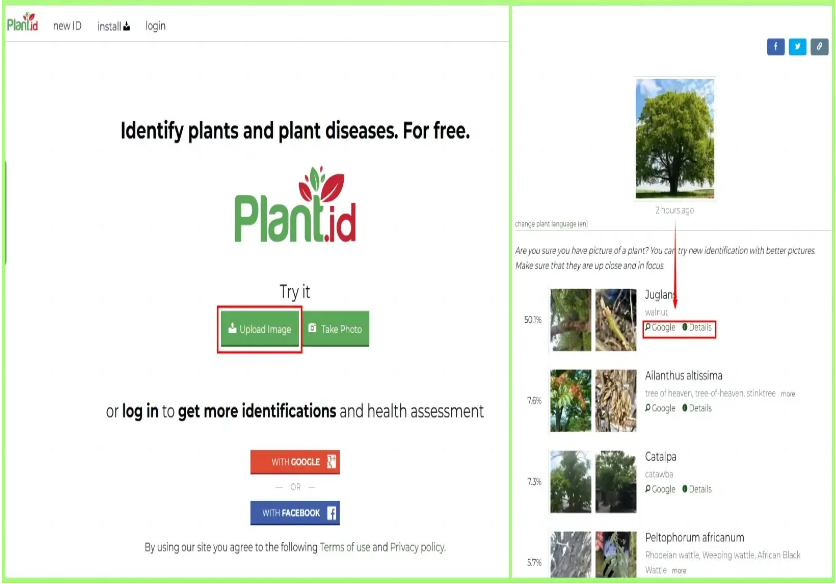
Pros and Cons of Plantly: Plant Identifier
Pros
Photo-based plant identification.
AI-assisted recognition approach.
General plant information.
Basic watering and sunlight guidance.
Plant collection functionality.
Convenient Android access.
Beginner-friendly identification workflow.
Cons
Identification results may not always be accurate.
Recognition depends on photograph quality.
Contains advertisements.
Offers in-app purchases.
Some privacy details require careful review.
Care recommendations may not account for every growing condition.
Availability and compatibility can vary by Android device.
Best Alternatives to Plantly
If Plantly does not meet your requirements, you can explore other plant identification applications.
PictureThis – Plant Identifier
PictureThis provides photo-based plant identification and plant care information. It is an option for users looking for additional plant recognition and gardening features.
PlantNet Plant Identification
PlantNet is a plant identification project that uses photographs and community-supported botanical observations. It can be useful for identifying plants and contributing observations.
iNaturalist
iNaturalist helps users explore biodiversity and document observations of plants and animals. It can be useful for nature enthusiasts and people interested in community-supported identification.
Google Lens
Google Lens provides image recognition and visual search capabilities. Users can photograph plants and search for visually similar results and related information.
Seek by iNaturalist
Seek is designed to help users discover organisms through camera-based identification. It can be useful for exploring nature and learning about biodiversity.
Frequently Asked Questions
What is Plantly: Plant Identifier?
Plantly is an Android application developed by Blazing App Studio. It helps users identify plants through photographs and explore available plant information and care guidance.
Is Plantly free to download?
The application is listed on Google Play, where users can check its current installation availability. Its listing indicates advertisements and in-app purchases, so not every feature should be assumed to be free.
Who developed Plantly?
The Google Play listing identifies Blazing App Studio as the developer.
How does Plantly identify plants?
Users submit a photograph of a plant for image-based analysis. The application then provides possible identification results and related information.
Can I identify plants using pictures from my gallery?
Photo-based identification is the application's central workflow. Check the current version to confirm the available camera and gallery import options.
Does Plantly provide plant care information?
The application provides general plant care guidance, including information related to watering and sunlight. Verify important care decisions with reliable gardening resources.
Does Plantly contain advertisements?
Yes. Its Google Play listing indicates that the application contains advertisements.
Are in-app purchases available?
Yes. The Google Play listing indicates that in-app purchases are available. Review the listing for current purchase details.
Is Plantly available for Windows?
The product covered in this article is an Android application. Do not assume that an official Windows desktop version is available.
Can Plantly identify every plant?
No plant identification application can guarantee correct recognition of every species. Results depend on the image, the plant's visible characteristics, and the application's recognition coverage.
Is Plantly safe to install?
The recommended download source is Google Play. Users should still review the developer information, permissions, privacy policy, and Data Safety disclosures before installation.
Conclusion
Plantly: Plant Identifier is an Android application designed to make plant discovery more convenient through photograph-based recognition. Its identification workflow, general plant information, care guidance, and collection functionality may appeal to gardeners, students, indoor plant owners, and nature enthusiasts.
The application offers a simple way to investigate unfamiliar plants without relying entirely on manual searches. However, identification results should be treated as suggestions, and important plant care decisions should be checked against reliable references.
If you are considering Plantly: Plant Identifier free download, visit its Google Play listing to check current availability, compatibility, advertisements, and in-app purchases. Downloading through the official store and reviewing the application's privacy information can help you make a more informed choice.