Lansweeper Free Download – Features, Benefits, and Installation Guide
Lansweeper is an IT asset discovery and inventory management platform that helps organizations identify, document, and manage devices across their technology environments. It is designed to give IT teams a clearer view of their hardware, installed software, network infrastructure, and other supported assets.
Unlike a basic inventory spreadsheet, Lansweeper can automate parts of the asset discovery process, helping organizations reduce manual data collection and maintain more consistent IT records. This can be particularly valuable for businesses managing multiple computers, servers, network devices, and software installations.
If you are searching for Lansweeper Free Download, this guide covers the platform's main features, practical benefits, system requirements, setup process, and available licensing options. It also explains how to access Lansweeper through legitimate channels and determine whether its free offering is suitable for your organization.
What Is Lansweeper?
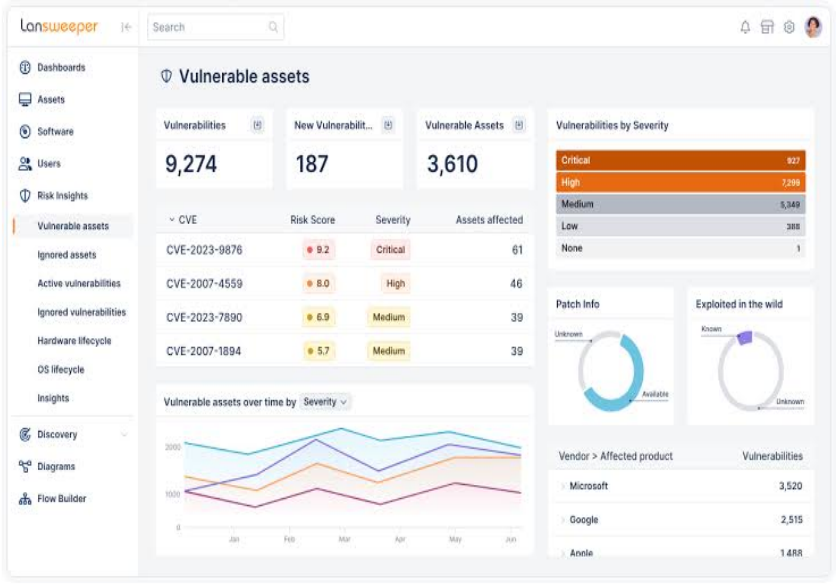
Lansweeper is an IT asset intelligence platform developed to help organizations discover and understand the technology assets within their environments. It collects information from supported devices and systems, allowing IT professionals to maintain an inventory and investigate their infrastructure more efficiently.
Depending on the deployment, configuration, and available integrations, Lansweeper can help identify computers, servers, network equipment, installed applications, and other supported assets. The resulting information can assist with IT documentation, troubleshooting, equipment planning, and software inventory management.
For example, a company with dozens or hundreds of computers may find it difficult to track every device manually. An automated discovery platform can help create a more complete picture of the environment and make relevant asset information easier to review.
Lansweeper can be useful for small businesses, large organizations, managed service providers, and IT support teams. Its suitability depends on the size of the environment, required discovery methods, integration needs, and available budget.
Key Features of Lansweeper
1. Automated IT Asset Discovery
Automated asset discovery is one of Lansweeper's central capabilities. Rather than relying entirely on employees to maintain inventory spreadsheets, IT teams can configure supported discovery methods to identify devices and collect relevant information.
The discovery process can help reveal what technology is present in an organization's environment and provide a foundation for more accurate inventory records.
This is useful when onboarding new equipment, reviewing existing infrastructure, or investigating devices that are not fully documented. Discovery results depend on network accessibility, credentials, permissions, and the particular asset types being scanned.
2. Hardware Inventory Management
Keeping accurate hardware records is an important part of IT administration. Lansweeper can collect hardware information from supported devices, helping teams review their computer and infrastructure inventory.
Depending on the device and available access, collected details may include information such as the device model, manufacturer, operating system, processor, memory, and other hardware characteristics.
This information can support equipment planning and lifecycle decisions. For instance, an IT administrator may use inventory data to identify computers that need upgrades or determine which devices should be reviewed before a software deployment.
Centralized hardware information can also make it easier to answer routine questions without manually inspecting every computer.
3. Software Inventory and Visibility
Software inventory helps organizations understand which applications are installed across their supported devices. Lansweeper can assist IT teams in collecting and reviewing software information, depending on the discovery method and environment.
This visibility can help administrators identify applications that need updates, investigate inconsistent installations, and maintain better software records.
It can also support software asset management by providing information that organizations can compare with their purchasing and licensing records. However, discovering an application does not automatically establish whether its installation is properly licensed. Organizations should verify licensing terms and entitlements separately.
4. Network Device Discovery
Modern IT environments contain more than desktop computers. They may also include servers, switches, printers, wireless equipment, and other connected infrastructure.
Lansweeper supports discovery of various network-connected assets, subject to the capabilities of the selected setup and the access available to the discovery process.
A well-maintained network inventory can help administrators understand which devices are present, review available technical information, and improve infrastructure documentation.
Discovery should only be configured for systems and networks that the organization owns or is authorized to administer.
5. IT Asset Reporting
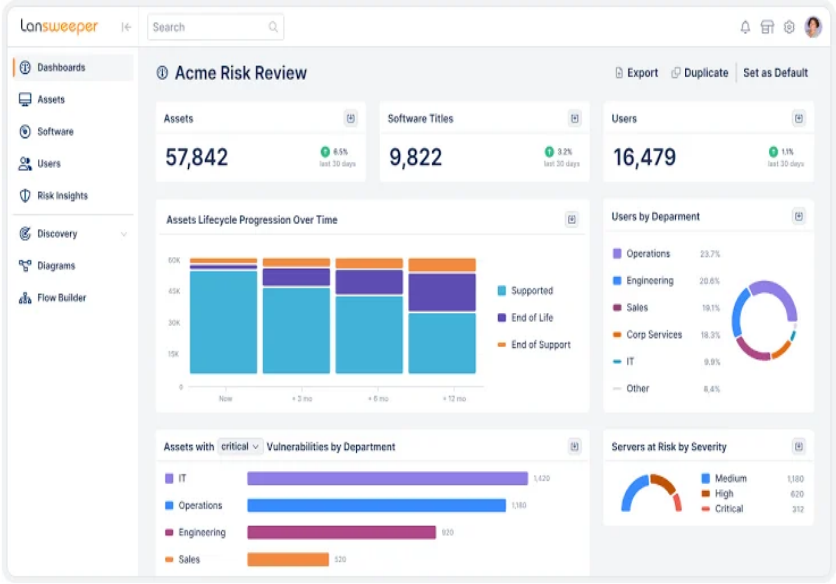
Asset information becomes more useful when it can be searched, reviewed, and organized into reports. Lansweeper provides reporting capabilities that can help IT teams examine discovered inventory data.
Reports can support tasks such as reviewing operating system distributions, checking hardware characteristics, investigating software installations, and preparing internal inventory documentation.
The usefulness of a report depends on the quality and completeness of the underlying data. IT teams should review scanning coverage and data freshness before relying on reports for important decisions.
6. Cloud and Hybrid Environment Visibility
Organizations increasingly use a combination of on-premises infrastructure, cloud services, remote devices, and externally hosted applications. Managing these environments can make asset visibility more complicated.
Lansweeper offers capabilities and integrations intended to help organizations obtain information about supported assets across different environments. The exact scope depends on the current product, configuration, integrations, and subscription.
Before adopting the platform for a hybrid infrastructure, review the official documentation to confirm that the cloud services, asset types, and discovery methods you need are supported.
7. IT Asset Lifecycle Planning
Hardware and software assets move through different stages, from initial deployment to routine maintenance, upgrades, and eventual replacement.
Accurate inventory information can help organizations plan these activities more effectively. Lansweeper's asset intelligence can provide information that supports lifecycle reviews and equipment planning.
For example, IT teams can use available inventory details to investigate older hardware, identify systems requiring attention, or prepare for a planned operating system upgrade.
Lifecycle decisions should also consider warranty records, business requirements, security policies, and vendor support information rather than relying on inventory data alone.
8. Integrations With IT Management Tools
Many organizations already use service desk systems, monitoring platforms, security tools, or other IT management applications. Integrations can help connect asset information with existing operational workflows.
Lansweeper provides integration options for supported products and services. Depending on the integration, these connections may help teams use inventory information when investigating support requests or maintaining infrastructure records.
Because integrations and licensing requirements can change, verify that the specific connector you need is available for your chosen plan before implementing it.
Benefits of Using Lansweeper
Better Visibility Into IT Infrastructure
Organizations cannot effectively manage assets they do not know about. Automated discovery can help IT teams build a more complete inventory of their technology environment and identify gaps in existing documentation.
Less Manual Inventory Work
Maintaining spreadsheets manually can become time-consuming as an organization grows. Lansweeper can automate portions of asset data collection, helping staff spend less time gathering information and more time addressing operational needs.
Improved Software Inventory Management
Software inventory data can help administrators review installed applications, investigate outdated software, and maintain records for internal audits. This information can contribute to more informed software management decisions.
More Efficient IT Support
When asset details are readily accessible, support staff can investigate device-related issues without repeatedly asking users for basic hardware or system information. Accurate records can make troubleshooting and support workflows more efficient.
Better Equipment Planning
Hardware inventory can help businesses evaluate their existing equipment and identify potential upgrade or replacement needs. This supports budgeting and planning, although purchasing decisions should also account for performance, warranty, and business requirements.
Support for IT Audits
Organizations often need to document their IT assets for internal governance, security reviews, and compliance activities. Lansweeper can provide inventory information that supports these processes, but the platform alone does not guarantee regulatory compliance.
Lansweeper System Requirements
The requirements for Lansweeper depend on the product edition, deployment model, size of the environment, and discovery workload.
Before installation or configuration, review these important considerations:
Operating system: Check the supported operating systems for the selected deployment and any scanning components.
Processor: Ensure the host system has sufficient processing capacity for the expected workload.
Memory: Allocate adequate RAM for discovery operations, background services, and the associated data infrastructure.
Storage: Consider the space needed for application components, inventory records, database storage, and backups.
Database: Confirm any database requirements for the deployment model you intend to use.
Network access: Ensure discovery components can reach the authorized devices and services they need to scan.
Permissions: Prepare the required accounts and credentials according to the official documentation.
Browser and connectivity: For web-based access, check supported browsers and network requirements.
Exact requirements should be verified in the official Lansweeper documentation before deployment. Larger environments may require additional capacity, testing, and planning.
Lansweeper Free Download
If you are searching for Lansweeper Free Download, the first step is to visit the official Lansweeper website and review the current product and pricing options.
Lansweeper's free offering, trial availability, and paid subscriptions may have different limits and features. A free plan is not necessarily equivalent to an unrestricted version of the entire platform, and the available terms can change over time.
To choose the appropriate option:
Visit the official Lansweeper website.
Review the current plans and available deployment options.
Check any asset limits, feature restrictions, or trial conditions.
Determine whether you need cloud-based access, self-hosted components, or specific integrations.
Create an account or download an installer through the official process, as applicable.
Review the setup instructions and required permissions before configuring discovery.
A free option may be appropriate for smaller environments or initial evaluation, depending on its current terms. Organizations with more extensive inventories or advanced requirements should compare the available subscription options before making a decision.
Avoid unofficial installers that promise unauthorized access to paid features. Using the official platform helps reduce the risk of tampered software and unclear licensing conditions.
How to Install and Set Up Lansweeper
Lansweeper's setup process depends on whether you choose a cloud-based service, a self-hosted deployment, or another currently supported configuration. The following steps provide a general overview.
Step 1: Review Your Requirements
Determine which assets you need to discover, how many devices are involved, and which features your organization requires. Review the official documentation to identify the appropriate deployment model.
Step 2: Access the Official Website
Open the official Lansweeper website and select the relevant product or signup option. Confirm the available plan and its requirements before continuing.
Step 3: Download or Start the Setup Process
If your selected deployment requires an installer, download it from the official source. If you choose a cloud-based option, follow the account setup instructions instead.
Step 4: Complete the Installation
For a self-hosted deployment, run the installer and follow the documented setup procedure. Configure any required application components, services, and database connections according to the official guidance.
Step 5: Configure Discovery
Select the authorized networks, devices, or other supported assets you want to inventory. Provide the necessary permissions and credentials using your organization's security procedures.
Use the principle of least privilege: provide only the access needed for the discovery tasks you intend to perform.
Step 6: Run an Initial Scan
Start discovery for a limited set of authorized devices. Review the results to confirm that the expected assets appear and that the collected information is sufficiently accurate.
Step 7: Review Inventory Reports
Examine the available asset details and reports. Check for missing devices, incomplete information, or outdated records before relying on the results for operational decisions.
Step 8: Maintain the Environment
Review discovery schedules, access permissions, integrations, and data retention settings periodically. Keep the deployment updated according to the publisher's instructions and maintain appropriate backups where applicable.
Pros and Cons of Lansweeper
Pros
Automates parts of IT asset discovery.
Helps centralize hardware and software inventory.
Provides asset reporting and infrastructure visibility.
Can reduce repetitive manual inventory tasks.
Supports IT planning and troubleshooting workflows.
Offers options for different deployment and organizational needs.
Cons
Initial configuration may require technical expertise.
Discovery depends on network access and appropriate permissions.
Larger environments may require additional planning and resources.
Free-plan limits and subscription features may vary.
Inventory information may be incomplete if some devices cannot be discovered.
Integrations and advanced capabilities may depend on the selected plan.
Who Should Use Lansweeper?
IT Administrators
IT administrators can use asset discovery and inventory information to understand the devices within their environment, maintain records, and support routine infrastructure management.
Small and Medium-Sized Businesses
Businesses with growing numbers of computers, servers, and applications may benefit from a more organized approach to asset tracking than manually maintained spreadsheets.
Enterprise IT Departments
Larger organizations may find centralized asset visibility useful when managing distributed infrastructure, reviewing installed software, and coordinating IT lifecycle planning. Their requirements should be assessed against the platform's current capacity and subscription options.
Managed Service Providers
Managed service providers may investigate Lansweeper for inventory and discovery workflows across environments they are authorized to manage. They should confirm that the chosen plan supports their operating model and client requirements.
IT Support Teams
Support teams can benefit from accessible device information when diagnosing problems, reviewing configurations, and handling technical support requests.
Lansweeper Alternatives
If Lansweeper does not match your requirements, several other platforms may be worth comparing.
ManageEngine AssetExplorer: An IT asset management solution for organizations that need asset tracking and related workflows.
PDQ Inventory: A tool focused on discovering and inventorying Windows computers in supported environments.
Spiceworks: An IT management ecosystem with inventory and support-related capabilities that may suit some smaller teams.
GLPI: An IT service management and asset management platform that can be relevant to organizations seeking a different deployment approach.
These products differ in discovery capabilities, operating system support, reporting, integrations, pricing, and deployment requirements. Compare current feature lists and licensing terms before selecting an alternative.
Frequently Asked Questions
What is Lansweeper used for?
Lansweeper helps organizations discover, inventory, and understand their IT assets. It can provide information about supported computers, installed software, network devices, and other technology resources.
Is Lansweeper available as a free download?
Lansweeper provides product access options that may include a free offering or trial, depending on current terms. Visit the official website to confirm what is available and whether a downloadable installer is required for your chosen deployment.
Does Lansweeper have a free plan?
Free-plan availability and limitations should be checked on the current Lansweeper pricing page. Review the permitted asset count, feature access, and any conditions before relying on a free option for ongoing use.
Can Lansweeper discover hardware and installed software?
Yes, Lansweeper supports hardware and software discovery for compatible assets. The information collected depends on the discovery method, device accessibility, permissions, and supported features.
Is Lansweeper suitable for small businesses?
It may be suitable for small businesses that want more structured asset inventory and discovery. The best plan depends on the number of assets, required features, technical resources, and budget.
Does Lansweeper support cloud environments?
Lansweeper offers capabilities and integrations for supported environments, but exact coverage depends on the current product and configuration. Check the official documentation for the cloud services and asset types you need to manage.
Is Lansweeper difficult to install?
The setup process depends on the deployment model and infrastructure. Cloud-based access may require less local installation, while self-hosted environments can require additional configuration and technical knowledge.
Where can I download Lansweeper safely?
Use the official Lansweeper website to access the appropriate product, signup process, or installer. Avoid unauthorized packages that claim to unlock paid features without a valid license.
Final Verdict
Lansweeper is an IT asset discovery and inventory management platform designed to help organizations gain better visibility into their technology environments. Its discovery capabilities, hardware and software inventory, reporting tools, and integration options can support IT administration, troubleshooting, and infrastructure planning.
The platform may be useful for businesses of different sizes, but its suitability depends on the number and types of assets being managed, the discovery methods required, and the available budget. Accurate results also depend on appropriate permissions, accessible devices, and regular maintenance.
If you are considering Lansweeper Free Download, start with the official website and compare the current free offering, trial conditions, and paid plans. Verify the deployment requirements and feature limitations before getting started so you can choose an option that fits your organization's IT needs.