MediaChance Dynamic Auto-Painter Pro Free Download – Features, Installation, and Review
Introduction
Digital art has made it easier for photographers and creative professionals to transform ordinary photographs into artistic images. Instead of manually painting every detail, users can take advantage of specialized software that recreates the appearance of traditional painting through digital rendering techniques. MediaChance Dynamic Auto-Painter Pro is designed for this purpose, helping users turn photographs into artwork inspired by painterly brushstrokes and artistic styles.
Whether you work with portraits, landscapes, nature photography, or other images, Dynamic Auto-Painter Pro offers a different approach to photo editing. Rather than focusing exclusively on conventional adjustments such as brightness, contrast, and sharpness, the software emphasizes the artistic interpretation of an image.
If you are searching for MediaChance Dynamic Auto-Painter Pro free download, this guide covers the software's purpose, major features, creative applications, installation process, advantages, limitations, and alternatives. It also explains what to check before downloading a version for your computer.
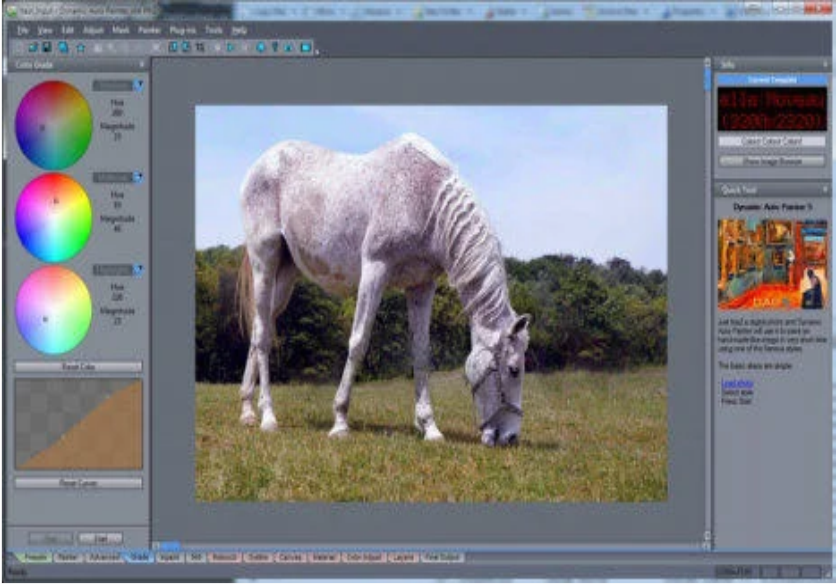
What Is MediaChance Dynamic Auto-Painter Pro?
MediaChance Dynamic Auto-Painter Pro is a creative image-processing application developed by MediaChance. It is designed to transform photographs into painterly images through automated artistic rendering. The goal is to create results that resemble artwork rather than simply applying a conventional photographic filter.
The software can be useful for photographers who want to explore different artistic interpretations of their pictures, digital artists looking for a starting point for further editing, and hobbyists interested in producing personalized artwork.
The automatic painting approach reduces the need to create every brushstroke manually. Users can start with an existing photograph and use the available painting controls to influence the final appearance. Depending on the version, the available styles, rendering settings, and output options may differ.
Dynamic Auto-Painter Pro is best understood as a specialized artistic rendering tool rather than a complete replacement for professional photo editors or digital painting applications. Its value lies in helping users explore painterly effects with less manual work.
Key Features of MediaChance Dynamic Auto-Painter Pro
1. Automatic Photo-to-Painting Conversion
One of the main purposes of Dynamic Auto-Painter Pro is to convert photographic images into artwork with a painted appearance. This process can help users explore artistic results without manually recreating every object, background, and texture.
Instead of treating the photograph as a finished image, the software processes its visual information to produce a new interpretation. The outcome depends on the source photograph, the selected style, and the available rendering controls.
This approach can be particularly useful for portraits, landscapes, travel photographs, and other images that benefit from an expressive visual treatment.
2. Artistic Rendering Styles
Different painting approaches can produce significantly different results from the same photograph. Dynamic Auto-Painter Pro is designed around artistic rendering, allowing users to explore painterly appearances rather than relying only on standard image filters.
The most suitable result depends on the subject. A landscape may benefit from visible textures and expressive color transitions, while a portrait may require a more balanced treatment of facial features and skin tones.
Before downloading a particular release, review its documentation to confirm the included styles and presets rather than assuming every edition contains the same options.
3. Brushstroke and Texture Effects
Brushstrokes are an important part of the visual character of a painting. Their size, direction, texture, and distribution can influence whether an image appears soft, detailed, expressive, or strongly stylized.
Automated painterly rendering aims to create a more artistic impression than a simple color overlay. The resulting textures can help give photographs a distinctive appearance suitable for creative projects.
The quality of the effect depends on the source material and the rendering method. Images with clear subjects, good lighting, and useful color separation often provide a stronger starting point for artistic conversion.
4. Customizable Painting Parameters
Creative software becomes more useful when users can influence its output. Depending on the edition, Dynamic Auto-Painter Pro may provide controls for adjusting aspects of the painting process.
These settings can help users experiment with different interpretations of the same photograph and compare alternative results. Learning how individual controls affect the image is an important part of developing a consistent workflow.
For best results, make small adjustments and review each output instead of changing many settings at once. This makes it easier to identify which changes improve the artwork.
5. Image Preview and Result Evaluation
Previewing an image before saving the final result is an important part of any artistic workflow. It allows users to evaluate the overall composition, color balance, subject clarity, and visible texture.
When comparing different results, pay attention to whether the main subject remains recognizable and whether the artistic treatment supports the intended mood.
A dramatic effect may work well for a creative poster, while a subtler result may be more appropriate for a portrait or a landscape intended for printing.
6. Creative Image Output
Once an image has been processed, users can save the finished artwork for later use. The available export formats, output dimensions, and quality options depend on the specific release.
Generated artwork can serve as a starting point for graphic design, digital portfolios, personal projects, or additional editing in another application.
If you plan to print your artwork or use it in a professional project, confirm the supported output resolution and file formats before starting.
7. A Workflow for Photographers and Digital Artists
Dynamic Auto-Painter Pro can fit into a broader creative process. A photographer might first select and prepare an image, process it through an artistic rendering tool, and then make final adjustments in a separate editor.
Similarly, a digital artist may use automated painting as a starting point before refining the result manually.
This approach provides flexibility without requiring users to complete every stage of the project in a single application.
How Does Dynamic Auto-Painter Pro Work?
The general workflow begins with an existing photograph. The software processes the image using its available artistic rendering methods and generates a new version with a painterly appearance.
Users can then review the result, experiment with available controls, and save the output.
The process typically involves three main stages:
Image preparation: Choose a suitable photograph with clear details and an appropriate composition.
Artistic rendering: Select the available style or settings and allow the software to process the image.
Review and export: Inspect the finished artwork and save it in a supported format.
The precise controls and processing behavior depend on the version installed on your computer.
Practical Uses of Dynamic Auto-Painter Pro
Transforming Portrait Photography
Portraits can be transformed into artistic images for personal collections, creative gifts, or portfolio projects. When working with faces, the goal is to retain recognizable features while introducing a painterly appearance.
Choose photographs with good lighting and clear facial details. If the effect becomes too strong, experiment with alternative settings or a different source photograph.
Creating Artistic Landscapes
Landscapes are useful subjects for painterly rendering because they often contain distinct color regions, natural textures, and broad visual shapes.
Mountains, gardens, coastlines, forests, and city scenes can provide interesting starting points. Different artistic treatments may emphasize the atmosphere, lighting, or colors of a scene.
Developing Creative Artwork
Designers and hobbyists can use painterly images as visual assets for personal projects. For example, an artistic photograph may serve as a background, a decorative image, or a starting point for a larger composition.
Before using the output commercially, review the relevant software license and confirm that you have the necessary rights to the original photograph.
Experimenting With Photography
Dynamic Auto-Painter Pro can also help photographers explore alternatives to conventional image editing. A single photograph can be interpreted in different ways, allowing users to compare realistic and more expressive visual styles.
This experimentation can help users discover new creative directions without manually painting an image from scratch.
User Interface and Ease of Use
A specialized image-processing application is most effective when its workflow is easy to understand. Users generally need to select an image, configure the available artistic settings, start the rendering process, and review the result.
New users should begin with a small selection of photographs and experiment with one setting at a time. This makes it easier to understand how different options affect the appearance of the final image.
Experienced users may prefer to incorporate the application into an established photography or design workflow. For example, they can prepare the original image in a photo editor and use a separate application for final adjustments after rendering.
The learning curve depends on the version, interface design, and number of available controls. Reviewing the official documentation can help users understand the application's specific features.
MediaChance Dynamic Auto-Painter Pro System Requirements
Before installing the software, check the system requirements for the exact version you intend to use. Older desktop applications may have different compatibility requirements from newer creative tools.
Consider the following factors:
Operating system: Verify the supported Windows version and whether your current system is compatible.
Processor: Image rendering requires a compatible processor and may take longer on older hardware.
RAM: Adequate memory helps when processing large images and running other applications simultaneously.
Storage: Keep enough free disk space for the installation, source images, temporary files, and finished artwork.
Image dimensions: Large photographs may require more memory and processing time.
Graphics hardware: Check the documentation to determine whether the version requires or benefits from specific graphics capabilities.
Exact specifications should be confirmed using official product documentation. Do not assume that every release supports Windows 11 or modern high-resolution image formats.
MediaChance Dynamic Auto-Painter Pro Free Download
If you want to download MediaChance Dynamic Auto-Painter Pro, begin by locating the official MediaChance website or a reputable distributor that provides the software legitimately.
Before downloading, verify the exact product name, release version, publisher, and licensing terms. This is particularly important for older software, where availability and compatibility may change over time.
The phrase MediaChance Dynamic Auto-Painter Pro free download does not guarantee that the complete application is currently available at no cost. The terms may differ between a demo, trial, previously released version, and licensed edition.
Follow these recommendations when choosing a download source:
Check the official publisher's website for product information and legitimate download options.
Confirm that the installer corresponds to Dynamic Auto-Painter Pro rather than a different MediaChance product.
Review the license to determine whether the software is free, trial-based, or paid.
Check compatibility with your operating system before installation.
Avoid modified installers, unauthorized activation tools, and packages that promise unlocked commercial features.
Scan downloaded files with reputable security software when appropriate.
A legitimate installer helps reduce the risk of malware, unwanted applications, and installation problems. It also makes it easier to obtain reliable product information and support.
How to Install Dynamic Auto-Painter Pro
After obtaining a legitimate installer, use the following general installation procedure.
Step 1: Download the Installer
Visit the trusted source and download the version compatible with your computer. Keep track of the download location so that you can find the setup file easily.
Step 2: Verify the File
Check the file name and publisher details where available. If the installer appears suspicious or comes from an unfamiliar source, do not run it until you have verified its legitimacy.
Step 3: Start Setup
Open the installer and follow the instructions displayed on the screen. Provide administrator permission only when required and when you trust the source.
Step 4: Complete Installation
Follow the setup wizard to finish installing the application. If additional components are requested, consult the official documentation before installing them.
Step 5: Activate the Software if Necessary
Some releases may require a license key or another activation method. Follow the publisher's instructions and avoid unofficial activation utilities.
Step 6: Launch the Application
Open Dynamic Auto-Painter Pro and check that it starts correctly. If the application fails to launch, review its system requirements and compatibility guidance.
The exact procedure may differ depending on the installer and software release.
How to Use MediaChance Dynamic Auto-Painter Pro
Once the application is installed, you can follow this general workflow to create artistic images.
Step 1: Choose a Suitable Photograph
Select a photograph with a clear subject and a balanced composition. Landscapes, portraits, architecture, and nature photography can all be useful starting points.
For your first test, use a moderate-resolution image to keep processing manageable.
Step 2: Import the Image
Open the application and use its image-loading controls to select your photograph. Confirm that the image displays correctly before proceeding.
Step 3: Select an Artistic Style
Explore the styles and presets available in your version. Choose an option that complements the subject and the appearance you want to achieve.
For example, a landscape may benefit from a more expressive treatment, while a portrait may require a more restrained artistic effect.
Step 4: Adjust the Available Settings
Experiment with the rendering controls provided by the application. Make gradual adjustments and compare the results so that you can identify which settings best suit the image.
Avoid assuming that one preset will work equally well for every photograph.
Step 5: Start Rendering
Begin the painting process and allow the software to finish. Processing time depends on image dimensions, system performance, and the selected rendering options.
Step 6: Review the Artwork
Inspect the finished image at different viewing sizes. Check subject clarity, color balance, texture, and overall composition.
If the result does not meet your expectations, try a different style or adjust the available settings.
Step 7: Save the Final Image
Export or save the artwork using a supported format. Choose a suitable location and filename so that you can find the result later.
If you plan to continue editing, retain a copy of the original photograph as well.
Tips for Getting Better Results
The quality of an artistic conversion depends on both the source photograph and the rendering choices. A few practical techniques can help improve the final output.
Start with a clear image: Photographs with good focus, useful lighting, and a well-defined subject are generally easier to evaluate after processing.
Choose styles based on the subject: Different images respond differently to artistic rendering. Test several options instead of relying on one preset.
Work with manageable image sizes: Use a smaller image for initial experiments, then process the full-resolution version when you are satisfied with the settings.
Make gradual adjustments: Changing one setting at a time helps you understand its effect and reproduce successful results.
Review the details: Zoom in to check faces, edges, and important objects, then zoom out to evaluate the overall composition.
Keep original files: Preserve the original photograph so you can return to it or try a different artistic treatment later.
Check usage rights: Make sure you have permission to use the source photograph, particularly for commercial projects.
Advantages of Dynamic Auto-Painter Pro
MediaChance Dynamic Auto-Painter Pro offers several potential benefits for creative image work.
Automated artistic conversion: Reduces the need to create every brushstroke manually.
Creative flexibility: Provides an alternative to conventional photo filters.
Multiple applications: Can be useful for portraits, landscapes, and other photographic subjects.
Experimentation: Makes it easier to explore different painterly interpretations of an image.
Complementary workflow: Can be combined with photo editors and digital painting applications.
Accessibility: May help photographers and hobbyists experiment with artistic effects without extensive traditional painting experience.
The usefulness of these benefits depends on the capabilities of the installed release and the type of artwork you want to create.
Limitations of Dynamic Auto-Painter Pro
Although automated painting can save time, it is not a perfect replacement for manual artistic work.
Results depend on the original image: Poor lighting, blur, and complex compositions may affect the quality of the output.
Limited manual control: Users who need precise control over every brushstroke may prefer a full digital painting application.
Version compatibility: Older releases may have limitations when running on modern operating systems.
Processing requirements: Large photographs and complex rendering settings may increase processing time.
Feature availability: Specific styles, controls, and export options may vary between versions.
Commercial licensing: Users should verify the license before incorporating generated images into commercial work.
Understanding these limitations helps you determine whether the software fits your creative requirements.
Best Alternatives to MediaChance Dynamic Auto-Painter Pro
If Dynamic Auto-Painter Pro does not provide the features you need, several other applications are worth considering.
Adobe Photoshop
Adobe Photoshop is a broad image-editing application that offers tools for compositing, retouching, color adjustments, and creative effects. It may be more appropriate for users who want painterly effects alongside extensive photo-editing capabilities.
Corel Painter
Corel Painter focuses on digital painting and simulates traditional artistic media. It is worth considering for artists who want more direct control over brushes, strokes, and painting techniques.
Rebelle
Rebelle is designed around digital painting techniques and the behavior of traditional media. Its approach may appeal to artists who want to create or refine artwork through a painting-oriented workflow.
FotoSketcher
FotoSketcher is a photo-to-art application intended for transforming photographs into stylized images. It may be suitable for users seeking a simpler approach to experimenting with artistic effects.
Other Photo-to-Art Tools
Additional image-processing applications offer filters, artistic presets, and AI-assisted transformations. Compare their output quality, customization, operating system support, privacy practices, and licensing before selecting one.
The best alternative depends on whether you prioritize automated conversion, hands-on painting, broad photo editing, or a straightforward artistic filter workflow.
Frequently Asked Questions
Is MediaChance Dynamic Auto-Painter Pro free to download?
The availability and cost depend on the particular release and its licensing terms. Check the official publisher's website for current download options and determine whether the version is a demo, trial, or licensed edition.
What does Dynamic Auto-Painter Pro do?
It is designed to transform photographs into images with a painterly appearance through automated artistic rendering. It is intended for creative image processing rather than general-purpose photo editing alone.
Can Dynamic Auto-Painter Pro turn photos into paintings automatically?
Automatic photo-to-painting conversion is the software's main purpose. The amount of customization and the available artistic styles depend on the version.
Is Dynamic Auto-Painter Pro suitable for beginners?
It may be suitable for users who want to experiment with artistic photo effects without manually painting an image from scratch. Beginners should start with simple photographs and learn the available controls gradually.
Does Dynamic Auto-Painter Pro work on Windows 11?
Compatibility depends on the release. Check the official system requirements and compatibility information before installing an older desktop application on Windows 11.
Can I use Dynamic Auto-Painter Pro for portraits and landscapes?
Portraits and landscapes are natural subjects for painterly image processing. The quality of the results depends on the original photograph, the rendering style, and the settings available in the software.
Can I use the artwork commercially?
Commercial use depends on the software license and the rights associated with the original photograph. Review both before using generated artwork in products, advertisements, or client projects.
What are the best alternatives to Dynamic Auto-Painter Pro?
Photoshop may suit users who need comprehensive image editing, Corel Painter and Rebelle may appeal to hands-on digital artists, and FotoSketcher may be worth exploring for simpler photo-to-art effects.
Conclusion
MediaChance Dynamic Auto-Painter Pro is a specialized creative application designed to transform photographs into artwork with a painterly appearance. Its automated approach can help photographers, designers, and hobbyists explore artistic image treatments without manually creating every brushstroke.
The software may be useful for portrait transformations, landscape artwork, creative experiments, and visual assets for personal projects. However, the final results depend on the source photograph, the available rendering controls, and the compatibility of the installed version.
If you are looking for a MediaChance Dynamic Auto-Painter Pro free download, verify the official source, licensing terms, system requirements, and available features before installing it. A legitimate and compatible version will help you explore its artistic capabilities while reducing unnecessary security and compatibility risks.