Helium Music Manager Free Download – Features, Installation, and Complete Guide
Introduction
Managing a large music collection can become difficult when audio files are scattered across different folders, drives, and devices. Finding specific songs, correcting missing track information, organizing albums, and maintaining playlists can take considerable time without the right tools. Helium Music Manager is designed to help users organize their digital music collections and make their libraries easier to browse, search, and maintain.
If you are looking for Helium Music Manager free download, this guide will help you understand the software, explore its key features, review its potential benefits, and learn how to install and use it. It also covers system requirements, music library organization, troubleshooting, and alternative applications.
Helium Music Manager is particularly relevant to users who want more control over their personal music collections. Instead of relying exclusively on basic file folders, a dedicated music manager can provide a structured catalog of tracks, artists, albums, genres, and other metadata.
Before downloading, remember to check the current availability, supported Windows versions, and licensing terms of the edition you intend to use.
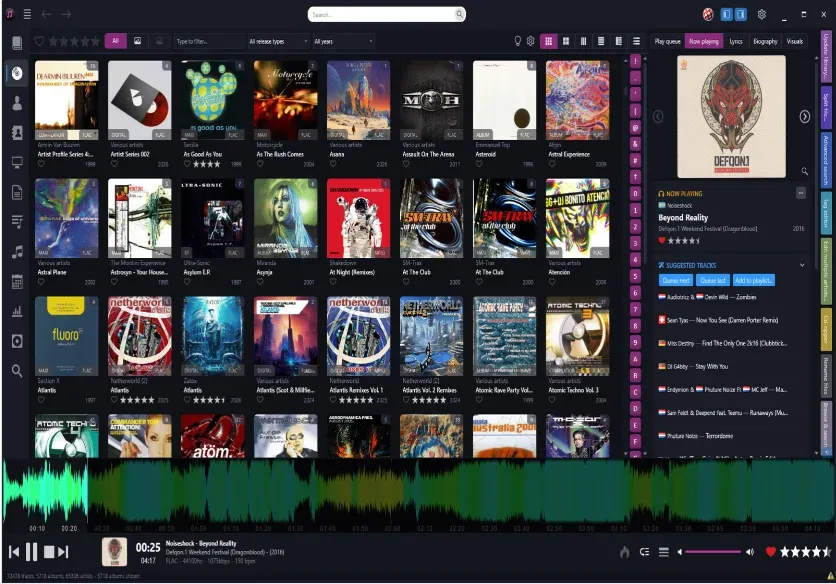
What Is Helium Music Manager?
Helium Music Manager is a music library management application associated with the Helium software ecosystem. Its primary purpose is to help users catalog, organize, and manage digital audio collections from a central interface.
A music library contains more than audio files. Each track may include information such as its title, artist, album, release year, genre, track number, and album artwork. When this information is missing or inconsistent, browsing and searching a collection can become frustrating.
Helium Music Manager helps users work with this information and maintain a more organized library. Depending on the version and edition, available capabilities may include tag editing, music browsing, playlist management, playback, and other collection management tools.
The application may be useful for people who maintain extensive personal music libraries, collectors who want consistent metadata, and listeners who prefer organizing their music on a Windows computer.
It is important to distinguish music management from music streaming. A music manager primarily helps organize and access a collection, while streaming functionality depends on the specific product, supported services, and compatible software components.
Key Features of Helium Music Manager
1. Music Library Organization
One of the main reasons to use a dedicated music manager is to create a structured catalog of audio files.
Helium Music Manager is designed to help users organize music by attributes such as artist, album, genre, and track information. This approach can make a large collection easier to navigate than a collection of folders with inconsistent names.
A properly organized library also helps users locate specific albums, identify missing information, and maintain a consistent music collection over time.
2. Music Tag Editing
Audio metadata, often called tags, stores information about a track. Common fields include the song title, artist, album, genre, release year, and track number.
When tags are incomplete or incorrect, songs may appear under the wrong artist or album. A music management tool can help users review and correct these details.
Helium Music Manager's available tagging features depend on the installed version. Before editing a large collection, test changes on a few tracks and keep a backup of important files.
3. Album Artwork Management
Album artwork adds a visual element to a music library and makes albums easier to recognize. A well-maintained collection can be more enjoyable to browse when its artwork and metadata are consistent.
Depending on the edition and available features, Helium Music Manager may support artwork-related library management. Users should verify the specific capabilities of their version before relying on automatic artwork retrieval or editing.
4. Music Search and Browsing
Finding one song among thousands of files can be time-consuming when a library is poorly organized.
A dedicated music manager provides structured ways to browse a collection and locate tracks using available catalog information. Searching by artist, album, genre, or title can make everyday music management more efficient.
The exact search filters and browsing options vary by version and configuration.
5. Playlist Management
Playlists allow users to group songs according to mood, genre, activity, or personal preference.
For example, you might create separate playlists for relaxing music, instrumental tracks, workout sessions, or favorite albums. A playlist-based workflow can make a music collection easier to enjoy without reorganizing the original files every time.
Check the documentation for your edition to confirm which playlist formats and export options are supported.
6. Music Playback
Music organization is more useful when users can conveniently access their tracks.
Helium Music Manager is associated with music collection management and playback-related workflows. Supported formats and playback options should be confirmed for the specific version you plan to install.
If you already use a separate audio player, check whether the manager fits your existing setup before moving or reorganizing your files.
7. Duplicate Track Management
Large collections can accumulate duplicate files after repeated downloads, backups, or transfers between computers.
Duplicate identification tools, where supported, can help users review potentially repeated tracks and reduce unnecessary clutter. However, files with similar names are not always identical: different audio qualities, remastered editions, and alternate recordings may share similar metadata.
Always review potential duplicates before deleting anything.
8. Music Collection Statistics
Some music management workflows provide ways to review collection details, such as the number of tracks, artists, albums, or genres.
These details can help collectors understand the size and structure of their libraries. The specific reports and statistics available depend on the version and edition.
9. Importing and Maintaining a Music Collection
When moving from a basic folder structure to a dedicated music manager, the initial cataloging process is an important step.
Depending on supported import features, users can scan music folders and build a searchable library. Correct file permissions, accurate metadata, and a sensible folder structure can make the process easier.
Before importing a very large collection, test the procedure with a small folder to understand how the application handles existing files and library records.
Helium Music Manager Technical Details
The following overview lists the main information to check before downloading the application.
Property | Details |
|---|---|
Software name | Helium Music Manager |
Category | Music library management |
Developer | Verify through official product documentation |
Operating system | Windows; confirm compatibility for the specific release |
License | Verify the available edition and terms |
File size | Check the published installer details |
Supported audio formats | Confirm in the version-specific documentation |
Installation type | Verify the available distribution package |
Latest version | Check an authoritative source |
Primary purpose | Organizing and maintaining digital music collections |
Software availability, version numbers, and licensing conditions may change. Verify these details against reliable documentation before publishing or installing the software.
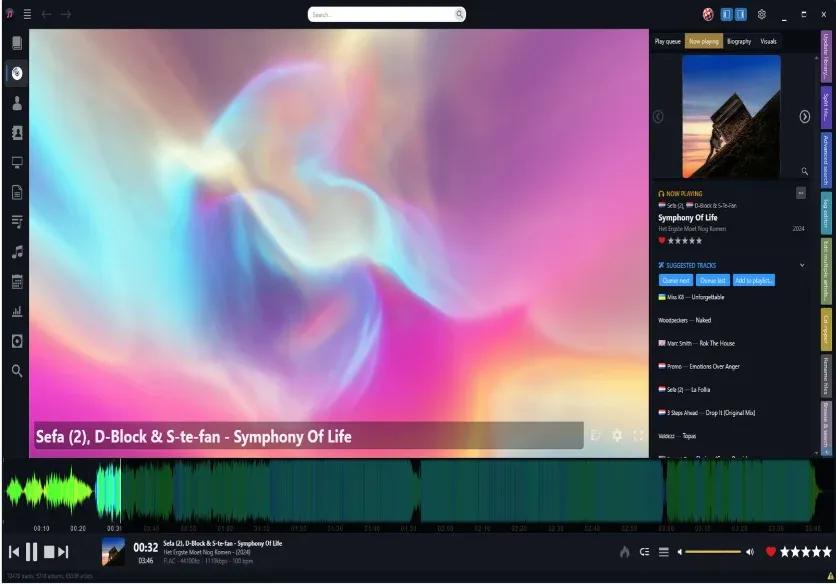
Helium Music Manager System Requirements
Before installing Helium Music Manager, check the requirements for your intended release. Older applications may have different requirements from newer versions, and compatibility with current operating systems should not be assumed.
Operating System
Confirm the Windows versions officially supported by the edition you plan to install. If you use Windows 10 or Windows 11, check the release documentation for compatibility information.
Processor
Music cataloging and basic library browsing are generally less demanding than advanced video editing. However, scanning a large collection or running multiple applications simultaneously may affect performance.
RAM
Available memory can influence how comfortably a computer handles a large music library alongside other running programs. Consult the published requirements rather than relying on an assumed minimum.
Storage Space
The application needs space for installation and its associated library data. Your audio files will require additional storage depending on the number of tracks, their formats, and their audio quality.
Keep enough free space for temporary operations and backups.
Audio Formats and Devices
Check the formats supported by your version and confirm that your preferred audio files can be cataloged or played as expected. If you plan to use external devices or another music player, verify compatibility before reorganizing your collection.
How to Download Helium Music Manager
If you are searching for Helium Music Manager free download, follow these steps to find an appropriate and trustworthy version.
Find the official product source. Start with the developer's official website or a documented distribution channel.
Check current availability. Confirm whether the software is still offered and which versions can be obtained.
Review licensing information. Determine whether a free edition, trial, or paid license is available.
Verify system compatibility. Check supported Windows versions and any required components.
Download the correct installer. Choose the package intended for your operating system and desired edition.
Check the downloaded file. Scan it with reputable security software and verify publisher information when available.
Keep the original installer. Store a legitimate installation file and any associated license information in a secure location if the terms permit it.
Avoid unfamiliar websites that distribute modified installers or advertise unrestricted access without explaining the software's licensing conditions.
A page that uses the words “free download” does not necessarily mean the full version is free to use.
How to Install Helium Music Manager
The exact installation process depends on the version and distribution package. If an official installer is available, these general steps can help you prepare.
Step 1: Prepare Your Computer
Check your operating system, available storage, and the published system requirements. Back up your music collection if you plan to make significant changes to its organization or metadata.
Step 2: Locate the Installer
Open your Downloads folder and find the file obtained from the trusted source. Verify the publisher details where available before running it.
Step 3: Run the Setup Program
Open the installer and follow the instructions. Review the installation options and choose a suitable destination folder if the installer offers that choice.
Do not approve unrelated bundled applications or unexpected permission requests.
Step 4: Complete Installation
Allow the installation process to finish. If the installer requests a restart, follow the documented instructions.
Step 5: Launch the Application
Open Helium Music Manager and review its initial configuration options. Depending on your version, you may be asked to select a library location or configure other preferences.
Step 6: Import Your Music
Select a test folder containing a small number of audio files and follow the application's documented library-import procedure.
Review the resulting catalog to confirm that titles, artists, and albums appear as expected before adding your entire collection.
How to Use Helium Music Manager
After installation, the next step is to build and maintain a useful music library.
Organize Your Music Files
Start by arranging your collection into a consistent folder structure. You might organize folders by artist and album, although the best structure depends on your preferences and the software's supported workflow.
Avoid moving large numbers of files while the application is actively cataloging them unless its documentation recommends doing so.
Correct Music Metadata
Review track titles, artist names, album names, genres, and release years. Consistent metadata makes searches more reliable and reduces the chance of the same artist appearing under multiple spellings.
If you need to change many tags, work in small batches and confirm the results before applying the same process to your entire collection.
Manage Album Artwork
Where supported, review the artwork associated with each album. Use images you have the right to use, and verify that the selected cover belongs to the correct release.
Correct artwork and consistent tags can make a library easier to browse.
Create Playlists
Build playlists around your listening preferences. For example, you can group favorite songs, instrumental music, or tracks for a particular activity.
If you plan to use playlists in another player, check which playlist formats are supported and whether they preserve file locations correctly.
Search and Browse Your Library
Use the browsing and search tools provided by your installed version to find tracks and albums. A well-maintained catalog can make it much easier to locate a particular recording.
Back Up Your Collection
A music library can represent years of collecting and organizing. Back up your original audio files, important metadata, and library database where applicable.
Keep at least one backup separate from the computer containing the primary collection. This can help protect against accidental deletion, storage failure, or other data loss.
Advantages of Helium Music Manager
Helium Music Manager may be useful for people who want to maintain a structured digital music collection.
Centralized organization: Helps users manage music from a catalog instead of relying exclusively on individual folders.
Metadata management: Tag-related tools can help maintain consistent track information where supported.
Improved browsing: A structured library can make searching for artists, albums, and tracks more convenient.
Playlist workflows: Playlist management can help organize music for different occasions.
Collection maintenance: Cataloging and supported library tools can help users keep larger collections organized.
Personal music management: May suit listeners who prefer maintaining their own audio files rather than relying entirely on streaming subscriptions.
The usefulness of these capabilities depends on the specific release and the features available in its edition.
Disadvantages of Helium Music Manager
There are also several considerations before choosing the application.
Version compatibility: Older releases may not work reliably on modern Windows systems.
Learning curve: Users with large or inconsistent collections may need time to learn the library management workflow.
Initial cataloging: Importing a substantial collection can require time and careful review.
Feature differences: Advanced capabilities may vary between editions.
Uncertain availability: The status of downloads, updates, and ongoing support should be checked.
Backup requirements: Users remain responsible for protecting their original music files and important library data.
Evaluating these factors can help you decide whether Helium Music Manager fits your current music management needs.
Helium Music Manager Alternatives
If the application is unavailable or does not meet your requirements, several alternatives are worth considering.
MusicBee
MusicBee is a music management and playback application for Windows. It may suit users who want to organize a personal library, manage metadata, and play audio from a desktop environment.
MediaMonkey
MediaMonkey focuses on managing and organizing music collections, with capabilities that vary by version and edition. It may be useful for users with extensive libraries who need structured cataloging and collection maintenance.
foobar2000
foobar2000 is a customizable audio player known for its flexible playback and configuration options. It can be a good choice for users who prioritize audio playback and a customizable interface.
AIMP
AIMP is an audio player with music library and playlist-related features. It may appeal to users looking for a playback-focused solution with organization tools.
Plex
Plex offers media library management and streaming capabilities. It may be more suitable for users who want to access a media collection across supported devices, although feature availability and licensing should be reviewed.
How to Choose an Alternative
Compare applications based on the features you actually need:
Music tag editing and metadata management.
Library browsing and search.
Playlist creation and export.
Supported audio formats.
Compatibility with your operating system.
Network streaming and device support.
Current licensing and update policies.
The best alternative depends on whether you primarily want to organize files, play music locally, maintain a large collection, or access media across multiple devices.
Is Helium Music Manager Safe to Download?
The safety of Helium Music Manager depends on the authenticity of the installer, its source, and the security status of the version you use.
Follow these precautions:
Obtain the installer from an official or reputable source.
Verify the publisher information and digital signature when available.
Scan the file with reputable security software before installation.
Avoid modified, cracked, or repackaged installers from unknown websites.
Review any requested permissions carefully.
Check whether the software receives security updates and remains compatible with your operating system.
Back up your audio files before making extensive changes to the library.
If an older version is no longer maintained, consider the additional risks of running unsupported software. Do not disable security tools simply to make an installer run.
Common Helium Music Manager Problems and Solutions
The Application Will Not Start
Check that your Windows version is compatible with the installed release. Review any error message and consult the relevant documentation for missing components or installation problems.
Music Files Are Missing From the Library
Confirm that the files still exist and that the application has access to their folders. If the files have been moved, use the documented library update or rescan process.
Track Information Is Incorrect
Review the metadata stored in the affected files and compare it with the information displayed in the application. Correct a small sample first and confirm that the changes are written as intended.
Album Artwork Does Not Appear
Check whether artwork is embedded in the audio files or stored separately. The supported artwork sources and retrieval methods depend on the version and configuration.
Duplicate Tracks Appear
Review file locations, track names, and other identifying information. Do not delete files solely because they have similar titles, since they may be different recordings or audio-quality versions.
The Application Performs Slowly
Large libraries, limited available memory, background tasks, or storage performance may affect responsiveness. Try working with a smaller collection to identify whether the issue is associated with library size.
The Download Link Is Unavailable
Check the developer's current product information or documented distribution channels. Avoid substituting an unverified installer from an unfamiliar website.
Frequently Asked Questions
1. What Is Helium Music Manager Used For?
Helium Music Manager is designed to help users organize, catalog, and maintain digital music collections. Depending on the version, it may provide tools for metadata editing, browsing, playlist management, and playback.
2. Is Helium Music Manager Free to Download?
The answer depends on the available edition and its licensing terms. Check the official distribution source to determine whether a free version or trial is available and what restrictions apply.
3. Does Helium Music Manager Work on Windows 11?
Compatibility depends on the specific release. Check the published requirements and documentation before installing an older version on Windows 11.
4. Can Helium Music Manager Edit Music Tags?
Tag management is associated with music library organization, but the exact editing features and supported formats should be confirmed for the version you plan to use.
5. Can I Create Playlists With Helium Music Manager?
Playlist capabilities depend on the edition and version. Consult its documentation for details about creating, saving, and exporting playlists.
6. Does Helium Music Manager Support Album Artwork?
Artwork management may be available depending on the version. Verify whether your edition supports viewing, importing, editing, or retrieving album covers.
7. Can I Import an Existing Music Collection?
A music management application can help catalog existing audio files when their locations and formats are supported. Test the import process with a small folder before adding a large collection.
8. Is Helium Music Manager Still Available?
Current availability should be confirmed through authoritative product information. If the original distribution is no longer available, avoid downloading executables from unverified sources.
9. What Are the Best Alternatives to Helium Music Manager?
MusicBee, MediaMonkey, foobar2000, and AIMP are worth evaluating for desktop music management and playback. Plex may be more appropriate when cross-device media access is a priority.
10. Where Can I Find a Safe Helium Music Manager Download?
Start with the official product website or a documented trusted distributor. Verify the installer, release details, compatibility, and licensing before proceeding.
Conclusion
Helium Music Manager is a music library management solution intended to help users organize and maintain digital audio collections. Its potential benefits include structured music browsing, metadata management, playlist workflows, and a more convenient way to maintain a personal collection.
For anyone searching for Helium Music Manager free download, the most important steps are to verify current availability, review the license, check Windows compatibility, and obtain the installer from a trustworthy source.
Before committing to the application, consider your library size, preferred audio formats, and the tools you need most. If Helium Music Manager does not fit your requirements or is no longer supported, alternatives such as MusicBee, MediaMonkey, foobar2000, and AIMP may offer suitable options.
With a reliable music manager, consistent metadata, and regular backups, maintaining a personal music collection can become simpler and more efficient.