Kataloger Free Download – Features, Benefits, and Installation Guide
Introduction
Keeping digital information organized can become challenging when files, records, and collections accumulate over time. A cataloging application can help users maintain structured information, locate specific entries, and simplify everyday organization tasks. Kataloger is a software name associated with cataloging and organizing information, making it a topic worth exploring for users searching for a practical catalog management solution.
If you are looking for a Kataloger free download, it is important to understand the software's purpose, available features, system compatibility, and licensing terms before installing it. Choosing a legitimate download source also helps reduce the risk of unwanted software and security problems.
This guide explores Kataloger's potential uses, key considerations, installation process, advantages, limitations, and alternatives to help you decide whether it suits your requirements.
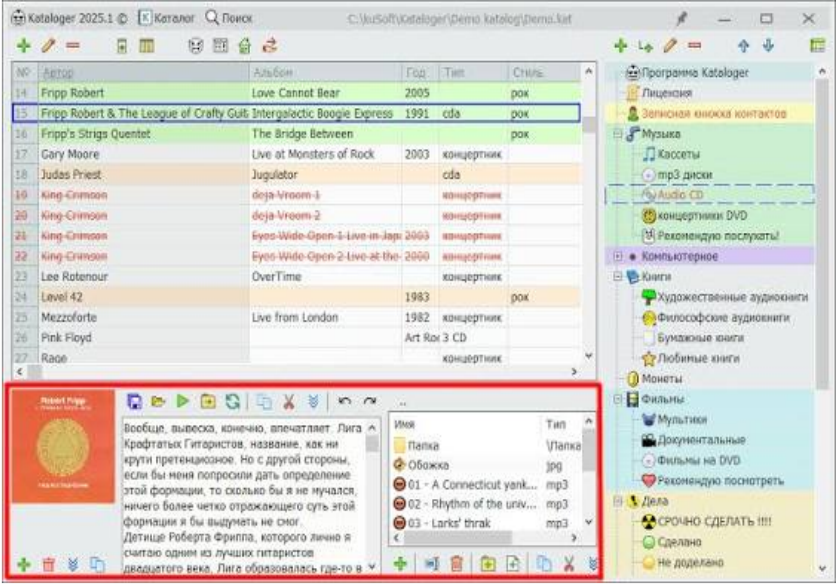
What Is Kataloger?
Kataloger is a software title that users may encounter when searching for tools related to cataloging and information organization. Cataloging software generally helps users create structured records, arrange information into categories, and retrieve stored details without manually searching through numerous documents or folders.
Depending on the specific application and version, cataloging tools may be useful for organizing personal collections, maintaining reference records, managing inventories, or creating searchable databases. However, the exact capabilities of Kataloger should be confirmed through its official documentation before relying on any particular feature.
For users who regularly handle large amounts of information, a dedicated cataloging application can offer a more consistent approach to recordkeeping than scattered notes or unstructured spreadsheets.
Key Features of Kataloger
The available features depend on the specific Kataloger release. The following capabilities describe common cataloging functions that prospective users should look for when evaluating the software.
1. Catalog and Record Organization
Cataloging applications are designed to keep related information together in a structured format. Users may be able to create individual records, enter relevant details, and arrange information according to their needs.
A well-organized catalog makes it easier to maintain consistent records and reduces the effort required to locate previously stored information.
2. Search and Information Retrieval
Search functionality is an important consideration when choosing catalog management software. In applications that support searchable records, users can locate information by entering relevant terms rather than examining every entry individually.
Filtering and sorting options, when available, can make it easier to narrow results and work with larger collections.
3. Data Management
A cataloging tool may provide options for adding, editing, updating, and removing records. These functions help users maintain accurate information as their collections change.
Before choosing Kataloger for important records, check whether its supported data-management features meet your particular requirements.
4. Categorization and Structured Information
Categories and consistent record fields can help users distinguish between different types of information. This is particularly useful when a catalog contains many entries that would otherwise be difficult to manage.
The specific categorization methods supported by Kataloger should be verified against the documentation for your version.
5. User Interface and Workflow
An understandable interface can make cataloging tasks easier for both new and experienced users. Clear navigation, accessible controls, and a logical workflow are useful qualities to evaluate before committing to any application.
If you plan to use Kataloger frequently, test its basic functions first and determine whether the interface fits your preferred working style.
How Does Kataloger Work?
The general purpose of cataloging software is to turn scattered information into an organized collection of records. Although the exact workflow depends on the application, a typical process includes several steps.
First, users create a catalog or open an existing collection. They then add relevant information to individual entries, arrange records into a suitable structure, and update the information when necessary.
When they need a particular entry, they can use any available search, filtering, or sorting functions. Regular maintenance helps keep the catalog accurate and useful over time.
For best results, use consistent naming conventions, avoid unnecessary duplicate entries, and maintain backups of important information. These habits are beneficial regardless of which cataloging program you choose.
Benefits of Using Kataloger
Better Information Organization
A dedicated catalog can provide a central location for related records. This approach helps reduce confusion and makes information easier to manage.
Easier Access to Stored Records
When a cataloging application supports effective search tools, users can retrieve relevant information more efficiently than they could with disorganized records.
More Consistent Recordkeeping
Using a structured format encourages users to record information consistently. This can make a collection easier to understand and maintain as it grows.
Improved Everyday Productivity
A practical cataloging workflow can reduce repetitive administrative tasks and leave users with more time for other activities.
Support for Different Organizational Needs
Depending on its verified capabilities, a cataloging application may suit personal organization, reference collections, or other recordkeeping tasks. Users should confirm that the software supports their intended use before adopting it for a specific project.
Kataloger System Requirements
Before downloading Kataloger, check whether your computer meets the requirements for the particular release you intend to install.
Important considerations include:
Operating system: Confirm the supported Windows version or other compatible platform.
Processor: Check the minimum processor requirements.
RAM: Ensure sufficient memory is available for normal operation.
Storage: Leave enough disk space for the application and its associated data.
Dependencies: Review any required frameworks, runtimes, or additional components.
Permissions: Confirm that you have the necessary permissions to install and run the application.
Exact system requirements should be taken from the developer's documentation. Avoid assuming that every release supports the same operating systems or hardware configurations.
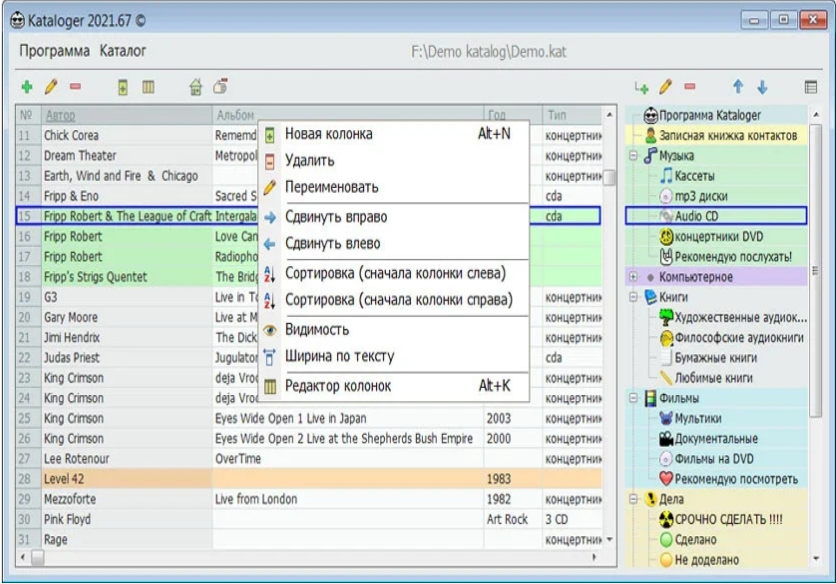
Kataloger User Interface and Experience
The user experience of cataloging software depends on how easily users can create records, navigate collections, and retrieve information. A straightforward interface can make routine tasks more manageable, while an unclear workflow may create additional work.
Before using Kataloger for a large collection, try a small test catalog. Add a few sample records, edit their information, and test any available search features. This will help you determine whether the application fits your workflow.
Also consider how the software handles larger collections, whether its data can be backed up, and whether it provides the export options you need. These practical details can be more important than appearance alone.
How to Download and Install Kataloger
If you want to install Kataloger, follow a careful download process.
Step 1: Find a Trusted Source
Look for the official developer website or another reputable source that clearly identifies the software and its publisher. Verify that the download corresponds to the intended application.
Step 2: Check the Version
Review the available release information, supported operating systems, and system requirements. Make sure the version is compatible with your computer.
Step 3: Review Licensing Information
Determine whether the application is freeware, shareware, commercial software, or distributed under another license. Do not assume that a download is free simply because a website uses the phrase “free download.”
Step 4: Download the Installer
Obtain the installation package from a legitimate source. Avoid download pages that require unrelated software installations or make unclear claims about what the package contains.
Step 5: Run the Installer
If an installer is provided, open it and follow the displayed instructions. Review any optional components carefully and avoid installing software you do not need.
Step 6: Open and Test the Application
After installation, launch Kataloger and check that it works as expected. Create a small test collection before importing valuable records.
Step 7: Protect Your Data
Back up important catalog information regularly. If the software provides export or backup functionality, test it before depending on the application for long-term recordkeeping.
Kataloger Free Download: What Should You Know?
Users searching for Kataloger free download should distinguish between a genuinely free release, a time-limited trial, and a paid edition. These licensing models offer different rights and restrictions.
Before downloading, check whether the publisher provides a free version, whether commercial use is permitted, and whether any features require payment. If the application is no longer maintained, consider the potential compatibility and security implications.
It is also sensible to check the publisher's identity and review the installer with reputable security software. Modified installers, unofficial repackaged files, and unauthorized copies may contain unwanted programs or other security risks.
If you cannot verify a trustworthy source for Kataloger, avoid downloading an unidentified executable. A verified alternative with clear documentation and licensing may be a better choice.
Pros and Cons of Kataloger
Potential Advantages
A cataloging approach can help organize related information.
Structured records may simplify routine recordkeeping.
Search and filtering tools, when supported, can improve information retrieval.
A dedicated application may provide a more consistent workflow than scattered notes.
Cataloging software can be useful for maintaining growing collections.
Potential Limitations
The exact features available in Kataloger need to be verified.
Compatibility may vary between releases.
Licensing and download availability may not be clearly documented on third-party websites.
Import, export, and backup options should be checked before storing important information.
Users who need specialized inventory or database functions may require a different application.
These points should be treated as evaluation criteria rather than confirmed specifications of a particular Kataloger release.
Best Alternatives to Kataloger
If Kataloger does not meet your needs, several established tools may be worth considering. The best option depends on whether you want general recordkeeping, spreadsheet-based organization, or a dedicated inventory system.
Microsoft Excel
Excel is suitable for organizing structured information in rows and columns. Sorting, filtering, formulas, and tables can help users manage relatively straightforward collections and records.
LibreOffice Calc
LibreOffice Calc is a spreadsheet application that can be used for lists, structured records, and basic data management. It is worth considering if you prefer an open-source office suite.
Airtable
Airtable combines spreadsheet-style views with database-oriented organization. It may suit users who want linked records, collaborative workflows, and configurable data structures. Review its current plan limits before choosing it.
Dedicated Cataloging Software
Users managing specialized collections should look for applications designed specifically for their needs. Compare supported record types, search functions, import and export options, backup capabilities, operating-system compatibility, and licensing before selecting a replacement.
Frequently Asked Questions
What is Kataloger used for?
Kataloger is a software title associated with cataloging-related searches. Confirm the specific application's purpose through its official documentation before using it for a particular type of collection or recordkeeping task.
Is Kataloger free to download?
Its current pricing and licensing status should be verified through a trustworthy source. A website advertising a free download does not necessarily establish that the software is freeware.
Is Kataloger available for Windows?
Check the system requirements for the specific release. Do not assume that all versions support every Windows edition.
How do I install Kataloger?
Find a legitimate download source, verify compatibility, review the license, and follow the installer's instructions if an installer is provided. Test the application before adding important data.
Is Kataloger suitable for beginners?
Suitability depends on the interface and available documentation. Testing basic operations with a small collection can help beginners decide whether it is easy to use.
Where can I download Kataloger safely?
Prefer the official publisher's website or a reputable software distribution source that clearly identifies the application. Verify the publisher, file details, and licensing before installation.
Does Kataloger support importing and exporting data?
This depends on the specific version. Check the documentation for supported file formats and backup options before moving existing records into the application.
Conclusion
Kataloger is a software title worth investigating if you are looking for a cataloging-related solution. Before choosing it, verify its exact purpose, supported features, system requirements, and licensing terms. These checks will help you determine whether it is appropriate for your workflow.
If you are searching for Kataloger free download, prioritize a legitimate source and a compatible release rather than relying on unverified download claims. If the software does not provide the features you need, alternatives such as Excel, LibreOffice Calc, Airtable, or a specialized cataloging application may offer a more suitable approach.
Ultimately, the right tool is one that helps you maintain accurate records, retrieve information efficiently, and protect your data over time.