Hetman Partition Recovery Free Download – Features, Installation, and Complete Guide
Introduction to Hetman Partition Recovery
Losing important files can be frustrating, especially when documents, photos, videos, or work-related data disappear because of accidental deletion, formatting, or partition errors. In these situations, data recovery software can help scan a storage device and identify files that may still be recoverable.
Hetman Partition Recovery is a data recovery application designed to help users restore lost files and recover data from deleted, formatted, or inaccessible partitions. It supports recovery workflows for various storage devices, including hard drives, solid-state drives, USB flash drives, and memory cards, depending on the device and file system involved.
The software is intended for home users, office workers, photographers, and IT professionals who need to investigate data-loss problems. Its scanning and file-preview capabilities help users identify recoverable information before deciding what to restore.
If you are searching for a Hetman Partition Recovery free download, this guide covers the software's main features, benefits, system requirements, installation process, recovery instructions, and licensing considerations. It also explains how to improve your chances of recovering lost data safely.
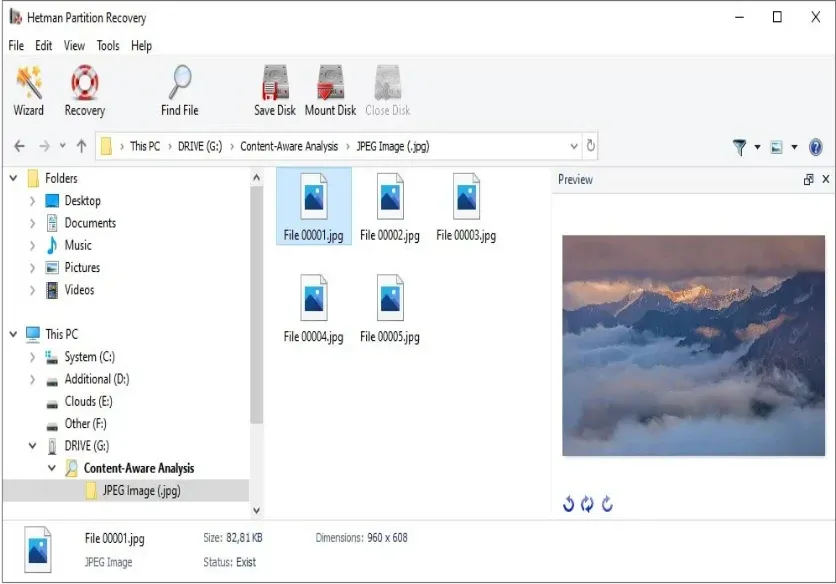
What Is Hetman Partition Recovery?
Hetman Partition Recovery is a data recovery tool developed by Hetman Software. It is designed to analyze storage devices and locate files that have been deleted, lost after formatting, or made inaccessible by certain partition problems.
When a file is deleted, its data may remain on the storage device until new information overwrites it. Recovery software can sometimes locate these remaining data structures and reconstruct accessible files. Results depend on the file system, the type of data loss, the condition of the device, and whether the original information has been overwritten.
The software can be useful when dealing with situations such as:
Accidentally deleted documents or folders.
Formatted partitions containing important files.
Lost or inaccessible logical partitions.
Missing photos and videos from removable storage.
File-system errors that prevent normal access to data.
Unexpected data loss from compatible storage devices.
Hetman Partition Recovery is not a guarantee that every lost file can be restored. For example, heavily overwritten information or data on a physically failing drive may be impossible to recover using ordinary software.
Key Features of Hetman Partition Recovery
1. Deleted File Recovery
One of the main purposes of Hetman Partition Recovery is to help users locate files that have been accidentally deleted.
Depending on the file system and the condition of the storage device, the application may identify deleted documents, images, videos, archives, and other file types. Users can examine the scan results and select the files they want to recover.
This feature can be particularly helpful when files have been removed from a folder or when the Recycle Bin is no longer available as a recovery option.
For the best chance of success, stop saving new data to the affected device as soon as you notice the loss. New files can overwrite the storage areas containing the deleted information.
2. Formatted Partition Recovery
Formatting a partition can make its existing files inaccessible through the usual operating-system interface. Depending on how the formatting was performed and what happened afterward, some original data may remain recoverable.
Hetman Partition Recovery can analyze supported storage structures to search for files associated with formatted partitions.
This capability may be useful after accidentally formatting a drive containing work documents, personal photographs, or archived projects. However, recovery results vary, particularly after a full format, extensive overwriting, or operations that securely erase data.
Before attempting recovery, avoid creating new partitions or copying files to the affected device.
3. Lost Partition Detection
A partition may disappear from File Explorer because of partition-table problems, accidental changes, file-system corruption, or other storage issues.
Recovery software can examine the available storage and attempt to locate recognizable file systems and lost data. This can help users investigate a partition that is no longer accessible through normal browsing.
The result depends on the nature of the partition damage. Some problems involve only metadata, while others affect the underlying file system or the actual contents of the drive.
If a disk is physically failing or contains especially valuable data, consider professional recovery assistance before attempting repairs.
4. Support for Different File Systems
File systems determine how files, directories, and storage information are organized. Data recovery tools must understand the relevant structures to interpret a device correctly.
Hetman Partition Recovery supports multiple file systems, with exact compatibility depending on the software version and storage configuration.
Before downloading, check the official documentation to confirm that your particular file system and device are supported. This is especially important if the affected drive was used with a different operating system or a specialized device.
5. Recovery of Documents, Photos, Videos, and Archives
Lost files can include many different formats. Depending on the scan results and the condition of the data, Hetman Partition Recovery may help locate common categories of files, including:
Documents and spreadsheets.
Digital photographs and image files.
Videos and audio recordings.
Compressed archives.
Project files and other work-related data.
The ability to restore a file depends on whether enough of its underlying data remains intact. A filename appearing in scan results does not necessarily mean that the file will open correctly after recovery.
For important documents and media, preview available files and verify the recovered copies before deleting backups or changing the original device.
6. Quick Scan and Full Analysis
Different data-loss situations may require different scanning approaches.
A quick scan can be useful for locating recently deleted files or examining information that remains identifiable through existing file-system structures.
A more comprehensive analysis can take longer but may help locate additional information when ordinary file listings are incomplete or a partition has been formatted.
The best scanning method depends on the problem, the device size, and the software's available options. For a large storage device, a thorough scan may require considerable time.
7. File Preview Before Recovery
Preview functionality can help users determine whether detected files contain the information they need.
Where a preview is supported, it can be useful for distinguishing important photographs, documents, and other content from irrelevant scan results. This is especially helpful when filenames are missing or multiple files have similar names.
Preview availability and accuracy vary by file format and the condition of the recovered data. A successful preview is useful evidence, but it does not guarantee that every part of the recovered file is intact.
8. Recovery from Inaccessible Storage Devices
A drive may become inaccessible because of logical file-system problems or partition errors. When the storage hardware is still functioning, recovery software may be able to scan the device directly and identify recoverable information.
Compatible devices may include internal hard drives, SSDs, external drives, USB flash drives, and memory cards.
There is an important distinction between logical damage and physical failure. If a drive makes unusual noises, repeatedly disconnects, overheats, or reports serious hardware errors, stop using it. Repeated scanning can worsen the situation on a failing device.
What's New in Hetman Partition Recovery?
Users interested in the latest Hetman Partition Recovery release should consult the developer's official website and release notes. Specific improvements and supported features vary by version, so it is important not to assume that every release includes the same capabilities.
Before upgrading or installing the application, check:
Compatibility updates: Whether your operating system and storage configuration are supported.
File-system support: Whether the release supports the file system used by the affected drive.
Recovery improvements: Whether the developer has documented changes to scanning or file reconstruction.
Bug fixes: Whether known installation or recovery issues have been addressed.
Licensing changes: Whether the current version has different trial or activation conditions.
Using a compatible, current version can help avoid unnecessary software problems, but installing a newer version does not guarantee better recovery results for every case.
Benefits of Using Hetman Partition Recovery
Recover Important Files
The software can help users search for files that are no longer visible through normal file browsing. This may be useful for personal records, business documents, photographs, and archived material.
Investigate Formatting and Partition Problems
Rather than immediately rebuilding a damaged partition, users can attempt to scan the device for recoverable information. This is particularly important when the original data has not been backed up.
Review Scan Results
File listings and supported previews can help users identify relevant data before starting the recovery process.
Simplify Data Recovery
A guided interface can make basic recovery tasks more approachable for users who do not have advanced technical knowledge.
Support Multiple Storage Scenarios
Depending on compatibility and device condition, the software can be useful for recovering data from different types of storage media.
Help Reduce Data-Loss Disruption
Recovering even part of a lost collection may reduce the time required to recreate documents or replace missing files. However, no recovery tool can guarantee restoration of all lost information.
Hetman Partition Recovery System Requirements
System requirements vary by release. Before installing the software, check the developer's official requirements page for the version you plan to use.
Important considerations include:
Operating system: Confirm compatibility with your installed Windows version.
Processor: Ensure your computer meets the application's minimum CPU requirements.
Memory: Larger drives and complex scans may benefit from additional RAM.
Storage space: Allow room for installation, temporary processing, and recovered files.
Device connectivity: Make sure the affected drive is recognized by the computer at the hardware level.
Administrator permissions: Some installation or storage-access operations may require elevated permissions.
One of the most important considerations is where the recovery software and recovered files are stored. If you are trying to recover data from a particular drive, avoid installing the program on that same drive or saving restored files there. Use a separate physical storage device whenever possible.
Hetman Partition Recovery Free Download
If you want to try Hetman Partition Recovery, start by visiting the official Hetman Software website and locating the product's download page.
The term free download can mean different things. An installer may be available without charge, while scanning, previewing, saving recovered files, or using advanced features may be subject to trial restrictions or a paid license. Check the current terms before relying on the software for a complete recovery.
Follow these guidelines when downloading:
Visit the official Hetman Software website.
Locate the Hetman Partition Recovery product page.
Check the latest available version and its system requirements.
Review whether the trial version allows you to save recovered files.
Download the installer from the official source.
Read the licensing terms before purchasing or activating the software.
Avoid unofficial installers that promise unauthorized activation or a cracked edition. These downloads can expose your computer to malware and create additional risks for already vulnerable files.
Important recovery precaution: If your missing data is on the system drive, a drive that is nearly full, or a device showing signs of physical failure, do not install additional software or write new files to it without considering the risks. Use a separate computer or drive where appropriate, or seek professional assistance.
How to Install Hetman Partition Recovery
Once you have obtained the appropriate installer, follow the official setup instructions for your version.
Step 1: Check Your System
Verify that your operating system is supported and that your computer has enough free space for installation and recovery operations.
Step 2: Download the Installer
Download the installation file from the official Hetman Software website. Make sure the version matches your system and intended use.
Step 3: Run the Setup Program
Open the downloaded installer and review the prompts. Approve any necessary permissions only after confirming that the installer comes from a trusted source.
Step 4: Complete Installation
Follow the on-screen instructions and wait for the installation to finish. If the program requests a restart, follow the instructions provided.
Step 5: Launch the Application
Open Hetman Partition Recovery and review the available drives, partitions, and recovery options.
Step 6: Confirm Licensing
If the application requires activation for your intended operation, follow the official trial or license procedure. Check the exact restrictions before scanning or purchasing.
Step 7: Prepare a Separate Destination
Before restoring any files, connect a different physical drive or other suitable destination with enough free space. This helps avoid overwriting data that you are trying to recover.
How to Use Hetman Partition Recovery
The exact interface varies by version, but a typical recovery process follows these steps.
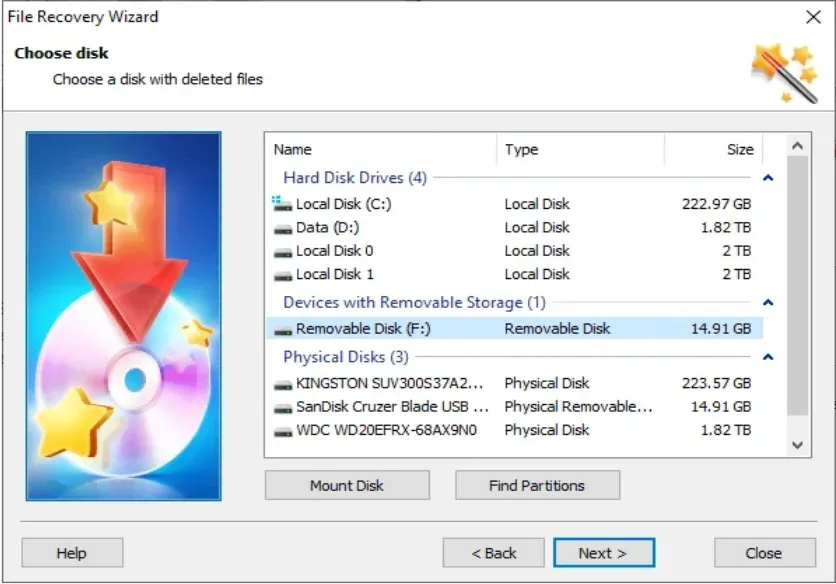
Step 1: Select the Affected Drive
Launch the application and identify the disk or partition where the data was lost.
Check the drive's name and capacity carefully. If you are unsure which device contains the missing files, do not start recovery on a randomly selected drive.
Step 2: Choose a Scanning Method
Select an appropriate scan or analysis option. A quick scan may be sufficient for some recently deleted files, while a deeper analysis may be useful after formatting or partition damage.
The available scan methods depend on the software version.
Step 3: Wait for the Scan to Finish
Allow the application to examine the selected storage device. Scan duration depends on drive capacity, connection speed, file-system condition, and the analysis method.
Avoid disconnecting the device while the scan is in progress.
Step 4: Browse the Detected Files
Review the results and navigate through the detected folders and file categories. Search for the names, formats, or locations of the files you want to restore.
Some recovered items may have incomplete names or damaged content, so examine the results carefully.
Step 5: Preview and Select Files
Where supported, preview important files before selecting them for recovery. Prioritize essential documents and irreplaceable photographs if you have limited destination space.
Step 6: Recover Files to Another Drive
Choose a destination on a separate physical storage device. Do not save recovered files to the same partition from which they were lost, because doing so may overwrite other recoverable data.
Step 7: Verify the Recovered Data
Open the restored documents, images, and other files to confirm that they work correctly. Make another backup of important recovered information as soon as possible.
Tips for Successful Data Recovery
A careful approach can make a significant difference when attempting to restore lost files.
Stop Using the Affected Drive
After discovering data loss, minimize further activity on the device. Downloads, application installations, updates, and ordinary file operations can overwrite deleted data.
Avoid Formatting or Repartitioning
Do not create new partitions or repeatedly reformat the affected storage device before attempting recovery. These actions can change information needed to locate the original files.
Save Recovered Data Elsewhere
Always choose a different physical drive as the recovery destination when possible. A separate destination reduces the risk of overwriting additional recoverable information.
Make a Backup Before Troubleshooting Further
If the device is stable and can be accessed safely, consider making a suitable disk image before performing extensive recovery attempts. This preserves a working copy of the storage state for further analysis.
For a physically failing drive, imaging and recovery should be handled carefully because prolonged operation may cause additional damage.
Be Careful with SSDs
Solid-state drives may use TRIM and other storage-management functions that can make deleted data unrecoverable. If files have been deleted from an SSD, stop using it promptly and avoid assuming that a scan will restore the original content.
Seek Professional Help When Necessary
If the drive clicks, repeatedly disconnects, is not detected properly, or contains critical business or personal information, consider a reputable data recovery specialist. Software-based recovery is primarily appropriate for cases in which the device can be accessed safely.
Hetman Partition Recovery Pros and Cons
Pros
Designed for deleted-file and partition recovery.
Can analyze certain formatted or inaccessible partitions.
Supports multiple categories of files and storage devices.
Offers a guided recovery workflow.
May provide file-preview capabilities.
Can help users investigate common logical data-loss scenarios.
Cons
Successful recovery is not guaranteed.
Full functionality may require a paid license.
Deep scans can take considerable time.
Overwritten or securely erased data may be unrecoverable.
Compatibility varies by version and file system.
Physically damaged drives may require specialist assistance.
Overall, Hetman Partition Recovery may be a useful option for logical data-loss problems, provided the device is compatible and the lost information has not been permanently overwritten.
Hetman Partition Recovery Alternatives
If Hetman Partition Recovery does not meet your requirements, consider comparing it with other data recovery applications.
Recuva
Recuva is a recovery tool for selected deleted-file scenarios. It may be suitable for users looking for a relatively straightforward way to search for files removed from supported storage devices.
R-Studio
R-Studio is a more advanced recovery solution designed for a range of data-loss situations. It may be relevant to technicians and users who need additional recovery and analysis options.
Disk Drill
Disk Drill provides data recovery features for supported devices and operating systems. Check the edition, platform, and licensing terms before selecting it.
EaseUS Data Recovery Wizard
EaseUS Data Recovery Wizard is another option for common data-loss situations, including certain deleted-file and formatted-drive scenarios.
Choosing the Right Alternative
When comparing products, evaluate:
Compatibility with your operating system and file system.
Support for your specific type of data loss.
Available scan and preview functions.
Whether the free edition allows actual file recovery.
Licensing costs and recovery limits.
The importance and condition of the affected storage device.
No application can guarantee the recovery of every file. Choose the tool based on your specific problem rather than relying only on marketing claims.
Frequently Asked Questions (FAQs)
1. Is Hetman Partition Recovery available as a free download?
The installer may be available for download without charge, but the ability to save recovered files or access particular features may depend on the current trial and license terms. Check the official product page for the latest conditions.
2. Can Hetman Partition Recovery restore formatted partitions?
It can attempt to find recoverable files associated with certain formatted partitions. Success depends on the file system, the type of formatting, and whether the original data has been overwritten.
3. Can it recover files from USB drives and memory cards?
It can support recovery from compatible removable storage devices. The device must be accessible for analysis, and the results depend on its condition and the nature of the data loss.
4. Can Hetman Partition Recovery recover data from a damaged hard drive?
It may help with logical problems, such as certain file-system errors or inaccessible partitions. If the drive has physical damage, unusual noises, or repeated connection failures, stop using it and consider professional recovery.
5. Is Hetman Partition Recovery compatible with Windows 11?
Compatibility depends on the specific release. Check the developer's current system requirements to confirm support for Windows 11 and your particular configuration.
6. Does the free version allow users to save recovered files?
Free-download availability does not necessarily mean unlimited free recovery. Check the current edition's restrictions to determine whether you can preview, recover, and save the files you need.
7. How long does a full recovery scan take?
The duration varies with drive capacity, connection speed, storage condition, and the scanning method. Large drives or heavily damaged file systems may require substantially more time.
8. Where should recovered files be saved?
Save recovered files to a separate physical drive whenever possible. Saving them to the affected device can overwrite additional data that may still be recoverable.
9. Can overwritten files be recovered?
Once data has been overwritten, recovery becomes difficult or impossible. The result depends on the amount of overwriting, storage technology, and the condition of the remaining data.
10. Is Hetman Partition Recovery safe to install?
Downloading the installer from the official developer website is the recommended approach. Keep your operating system protected, verify the source, and avoid unauthorized installers or activation tools.
Conclusion
Hetman Partition Recovery is a data recovery application designed to help users locate deleted files and investigate certain formatted, lost, or inaccessible partitions. Its scanning, file-browsing, and supported preview features can be useful when dealing with accidental deletion and other logical data-loss problems.
Before using the software, check its compatibility with your operating system and storage device, review the available licensing options, and understand the limits of data recovery. Most importantly, avoid writing new information to the affected drive and save recovered files to a separate storage device.
If you are looking for a Hetman Partition Recovery free download, start with the official Hetman Software website to review the latest installer, trial availability, and license terms. Taking these precautions can help you approach data recovery more safely and make an informed decision about the right tool for your situation.