Proteus Professional Free Download
Designing and testing electronic circuits often requires specialized software that can handle both schematic development and simulation. Proteus Professional is an electronic design automation platform that combines circuit design, simulation, and PCB development in a single environment. It is widely used for experimenting with electronic circuits, testing embedded designs, and preparing printed circuit board layouts before moving to physical hardware.
For users searching for a Proteus Professional free download, it is useful to understand what the software offers, how its simulation tools work, and which legitimate download and licensing options are available.
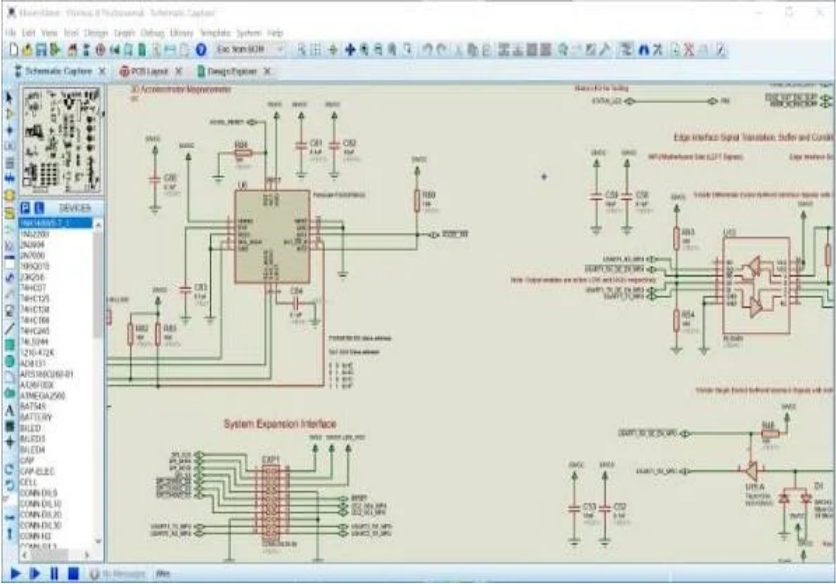
What Is Proteus Professional?
Proteus Professional is an electronics design and simulation solution developed for creating schematics, simulating circuits, and designing PCBs. It provides an environment where users can build a virtual circuit, apply signals or inputs, observe its behavior, and make changes before producing physical hardware.
The platform is particularly useful for students, electronics enthusiasts, engineers, and developers working with embedded systems. Its ability to combine circuit simulation with PCB design makes it possible to move through several stages of an electronics project within the same software environment.
Key Features of Proteus Professional
Schematic Capture
Proteus provides tools for creating electronic schematics by selecting components from available libraries and placing them on a design workspace. Components can then be connected using wires and configured according to project requirements.
This makes the schematic editor a central part of the design workflow.
Interactive Circuit Simulation
One of the main capabilities of Proteus is circuit simulation. Users can create a virtual circuit and run it without immediately building the design on a physical breadboard.
Simulation can help users examine circuit behavior, identify connection mistakes, and experiment with different component values.
PCB Design
Proteus also includes PCB design functionality. Once a schematic has been developed, the design can be transferred into a PCB layout environment where components can be positioned and connections routed.
Users can work with board layers, component placement, track routing, and design-rule checking as part of the PCB development process.
Microcontroller Simulation
Proteus supports simulation workflows involving microcontrollers and embedded systems. A firmware or program file can be associated with a simulated microcontroller so that users can observe how software interacts with the virtual circuit.
This can be useful when developing and testing embedded projects before connecting the firmware to physical hardware.
Virtual Instruments
The software provides virtual instruments that can be used during circuit simulation. Depending on the project and available tools, users can examine signals and measurements without connecting external laboratory equipment to a physical circuit.
Component Libraries
Electronic projects often require many different components. Proteus provides component libraries that help users find and add parts to their schematics and simulations.
PCB Visualization
PCB visualization tools allow designers to review the physical appearance and arrangement of a board. This can help identify placement or layout issues before manufacturing.
Circuit Simulation in Proteus Professional
Circuit simulation is one of the most useful aspects of Proteus. Instead of immediately assembling a physical prototype, users can first create a digital representation of the circuit.
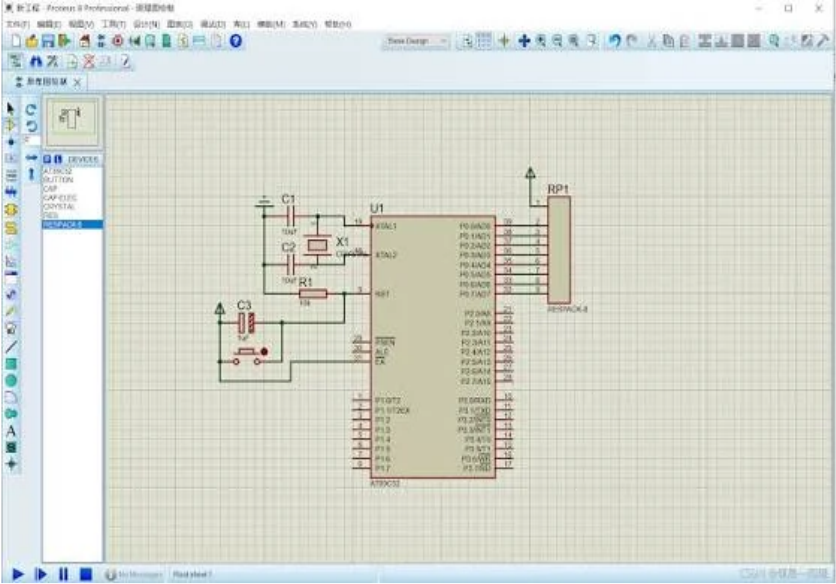
The general process starts by creating a new project and opening the schematic editor. Components can then be selected from the library and placed on the workspace. After connecting the components and assigning appropriate values, users can start the simulation.
Virtual instruments can be added when measurements are required. The resulting signals and circuit behavior can then be examined to determine whether the design performs as expected.
Simulation does not eliminate the need for physical testing, but it can help identify certain design issues earlier in the development process.
Microcontroller Simulation
Proteus is also used for embedded-system experimentation. A project can combine a simulated microcontroller with components such as LEDs, displays, switches, sensors, motors, and other electronic devices.
After preparing the circuit, users can load compatible firmware into the simulated controller. Running the simulation allows them to observe interactions between the firmware and virtual hardware.
This approach can be particularly useful for educational projects because students can experiment with embedded concepts without requiring physical hardware for every test.
PCB Design Capabilities
Proteus provides tools for moving from a schematic toward a physical PCB design. After completing the circuit diagram, users can prepare the design for PCB layout.
Typical PCB workflow includes:
Create the schematic.
Verify component connections.
Transfer the design to the PCB environment.
Place components on the board.
Define or review board dimensions.
Route electrical connections.
Check design rules.
Review the completed board.
Inspect the design using visualization tools.
Design Rule Checking can help identify certain layout problems before a board is manufactured.
Proteus Professional Interface
The Proteus environment provides dedicated areas for different parts of the electronics workflow. The schematic editor is used to build circuit diagrams, while simulation controls allow users to start, pause, and analyze simulations.
The PCB environment provides tools for component placement and routing. Project-management and library tools help organize designs and access electronic components.
Although beginners may initially find the interface complex, learning the workflow gradually can make it easier to move from simple circuits to larger projects.
Benefits of Using Proteus Professional
Proteus can be useful because it combines several electronics design tasks in one application. Instead of relying on completely separate programs for schematic creation, circuit simulation, and PCB development, users can work through multiple stages of a project within the Proteus environment.
Another benefit is the ability to test certain designs virtually before building physical prototypes. This can help reduce unnecessary hardware iterations and provide an environment for learning electronics concepts.
For students, simulation can provide an accessible way to experiment with circuits. For designers, it can support early-stage testing and PCB development.
Proteus Professional System Requirements
System requirements can vary between Proteus releases, so users should check the requirements for the specific version they intend to install.
In general, users should consider:
A compatible Windows operating system
A modern processor
Adequate system memory
Sufficient storage space
Graphics support appropriate for the software
Internet access when required for installation, updates, or licensing
Larger projects and complex simulations may require more system resources than simple electronic circuits.
Proteus Professional Free Download
When searching for a Proteus Professional free download, users should distinguish between legitimate evaluation or free options and unauthorized copies of commercial software.
The safest approach is to obtain Proteus through the publisher's legitimate distribution channels and use the licensing option associated with the version being installed. If an official evaluation version is available, users can use it to explore the software before purchasing a license.
Modified installers, unauthorized activators, and unofficial repackaged versions can create security and compatibility risks. They may also contain unwanted software or altered files.
Before installation, verify the publisher, software version, system requirements, and licensing terms.
How to Install Proteus Professional
The installation process generally begins by obtaining the appropriate installer from a legitimate source.
After downloading the installer:
Run the setup program.
Review the license agreement.
Select the appropriate installation options.
Choose the installation location if required.
Allow the setup process to copy the necessary files.
Complete the installation.
Launch Proteus.
Follow the applicable licensing or activation procedure.
Create a small test project.
Users should make sure their computer meets the requirements for the particular Proteus release before beginning installation.
How to Create a Simple Circuit in Proteus
Creating a basic project is a useful way for beginners to become familiar with the application.
Start by creating a new project and opening the schematic editor. Search the component library for the parts required by the circuit, such as resistors, capacitors, LEDs, switches, or power sources.
Place the components on the schematic and connect them according to the intended circuit design. Configure component values and add appropriate simulation instruments.
Once the circuit is complete, start the simulation and observe the results. If the circuit does not behave as expected, review the connections, component values, power sources, and simulation settings.
Common Proteus Issues and Troubleshooting
Installation Problems
If installation fails, verify that the Windows system meets the software requirements and that the installer was obtained from a legitimate source. Running the installer with appropriate permissions may also be necessary.
License or Activation Problems
Licensing problems can occur when an invalid, expired, or incorrectly configured license is used. Users should follow the official licensing procedure for their Proteus edition.
Missing Components
If a required component cannot be located, check the installed libraries and search using the component's correct name or category.
Simulation Does Not Start
A simulation may fail because of incorrect connections, missing power sources, invalid component settings, or other design issues. Reviewing the schematic carefully can help identify the problem.
Performance Issues
Large circuits and complex simulations can consume significant system resources. Closing unnecessary applications and reducing project complexity can sometimes improve performance.
Proteus Professional Alternatives
Several other applications can be used for electronics design and simulation. KiCad provides open-source tools for schematic capture and PCB design. LTspice focuses heavily on circuit simulation, while EasyEDA provides browser-based electronics design and PCB development capabilities.
The appropriate tool depends on the type of project, simulation requirements, PCB workflow, platform, and licensing preferences.
Pros and Considerations
Pros
Combines schematic design and simulation
Provides PCB design tools
Supports embedded-system simulation workflows
Includes virtual instruments
Offers component libraries
Helps test certain designs before physical prototyping
Considerations
Advanced features may require a paid license
Complex projects can require significant system resources
Simulation results do not replace all real-world hardware testing
Beginners may need time to learn the interface
Users should obtain installers and licenses from legitimate sources
Final Thoughts
Proteus Professional provides an integrated environment for schematic design, circuit simulation, microcontroller experimentation, and PCB development. Its virtual testing capabilities can help users explore electronic circuits and identify certain design issues before creating physical prototypes.
For people searching for a Proteus Professional free download, checking the legitimate evaluation and licensing options is important. Using an authorized installer reduces security and compatibility risks and ensures that the software remains supported according to its applicable license. Whether used for education, embedded development, or PCB design, Proteus can provide a structured environment for working through different stages of an electronics project.