PDQ Inventory Free Download: Windows IT Asset Discovery and Management
Managing multiple Windows computers can be difficult when administrators do not have a clear picture of the hardware, software, operating systems, and configurations across their network. PDQ Inventory is designed to help IT teams discover computers and collect detailed inventory information from Windows systems.
For users searching for a PDQ Inventory free download, the software provides tools for scanning computers, reviewing installed applications, examining hardware specifications, creating collections, and searching inventory data. It can be especially useful for system administrators and IT support teams responsible for maintaining multiple PCs.
What Is PDQ Inventory?
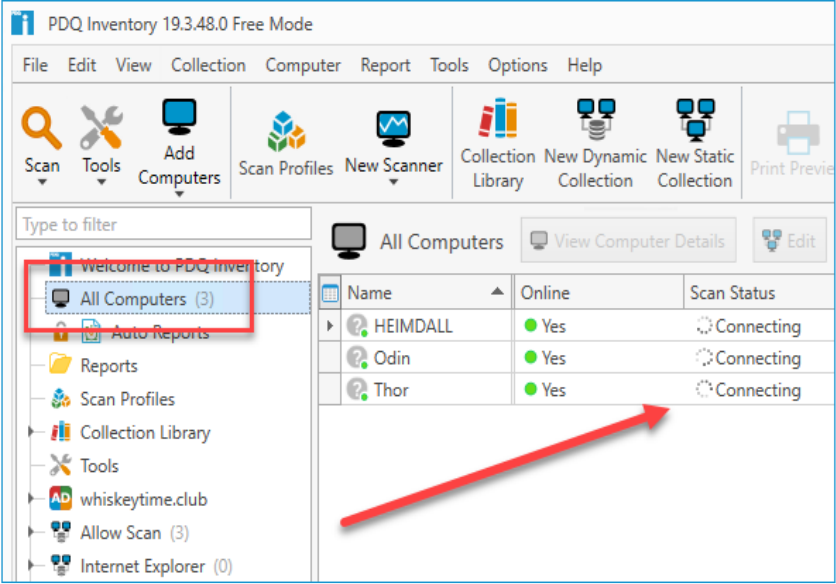
PDQ Inventory is an IT inventory and computer-management application designed primarily for Windows environments. It helps administrators collect information about computers connected to their organization and organize that information into searchable inventory data.
Instead of checking each workstation manually, administrators can use inventory scans to gather information about systems across a network. This can make tasks such as software auditing, hardware planning, troubleshooting, and computer management more efficient.
PDQ Inventory can also work alongside other PDQ products, including deployment tools, to help administrators identify suitable computers for specific management tasks.
Key Features of PDQ Inventory
Automatic Computer Discovery
PDQ Inventory can help administrators discover computers within a Windows network environment. After computers are identified, inventory scans can collect information from those systems.
This provides administrators with a centralized view of the computers they manage.
Hardware Inventory
Hardware information can help IT teams understand the specifications of organizational computers. Depending on the configuration and scan data available, inventory information can include processors, memory, storage devices, network adapters, and other system details.
This information can be useful when planning upgrades or investigating hardware-related problems.
Software Inventory
Software inventory allows administrators to see applications installed across managed computers. Information can include application names, versions, publishers, and other available details.
This can make it easier to identify which systems contain particular applications or versions.
Operating System Information
Administrators can collect information about Windows installations, including operating-system versions and other system details.
Keeping track of operating systems can help organizations understand the software environment across their computers.
Custom Collections
Collections allow administrators to group computers according to specific characteristics. For example, a collection might contain computers running a particular Windows version or computers with a specific application installed.
Dynamic filtering can help collections remain useful as inventory information changes.
Search and Filtering
Large environments can contain many computers, making manual browsing inefficient. PDQ Inventory provides search and filtering capabilities that allow administrators to locate systems based on inventory attributes.
Administrators can use these tools to answer questions such as which computers have a particular application installed or which systems match certain hardware criteria.
Hardware Inventory with PDQ Inventory
Understanding hardware across an organization is an important part of IT administration. PDQ Inventory can collect information that helps administrators understand what hardware is currently deployed.
Common inventory categories can include:
Processor information
Installed memory
Storage devices
Network adapters
Operating system information
Computer names
System configuration details
This data can support hardware lifecycle planning and troubleshooting.
For example, if an organization needs to identify computers with limited memory before a software upgrade, inventory information can make it easier to locate those systems.
Software Inventory
Software auditing is another important use of PDQ Inventory. Instead of manually checking individual computers, administrators can search centralized inventory information.
Software inventory can help identify:
Installed applications
Application versions
Software publishers
Computers containing particular software
Systems that may require updates or changes
Organizations can use this information to improve software management and understand which applications are installed across their environment.
Computer Discovery and Scanning
PDQ Inventory uses scanning to collect information from computers. The exact scanning process depends on the network configuration, Windows permissions, and settings used by the administrator.
Administrators should make sure managed computers are accessible and that the required Windows networking and administrative permissions are correctly configured.
If a computer is offline or inaccessible, its inventory information may not update until it becomes available for scanning.
Collections and Custom Organization
Collections provide a convenient way to organize inventory data.
For example, an administrator could create groups based on:
Windows version
Installed software
Hardware characteristics
Computer name
User information
Other available inventory properties
Custom collections can help administrators focus on particular groups of computers rather than browsing an entire inventory manually.
Search and Reporting Tools
Inventory data becomes more useful when administrators can quickly search and filter it. PDQ Inventory provides tools for finding systems that match particular criteria.
Reports can also help IT teams document their environment and support planning activities. Depending on the version and workflow, inventory information can be reviewed and exported for additional analysis.
Examples of useful inventory questions include:
Which computers have a particular application?
Which systems use a particular Windows version?
Which machines have specific hardware?
Which computers require attention?
How many systems match a particular configuration?
PDQ Inventory for IT Administrators
PDQ Inventory is primarily useful in environments where administrators manage multiple Windows computers.
IT teams can use inventory information for:
Software Auditing
Administrators can identify applications and versions installed across managed systems.
Hardware Planning
Hardware information can help teams identify computers that may need upgrades or replacement.
Troubleshooting
Inventory data can provide useful system details when investigating workstation issues.
IT Documentation
Centralized inventory can help maintain an overview of the organization's computer environment.
Maintenance Planning
Administrators can use inventory information to identify groups of computers that require particular maintenance activities.
PDQ Inventory and PDQ Deploy
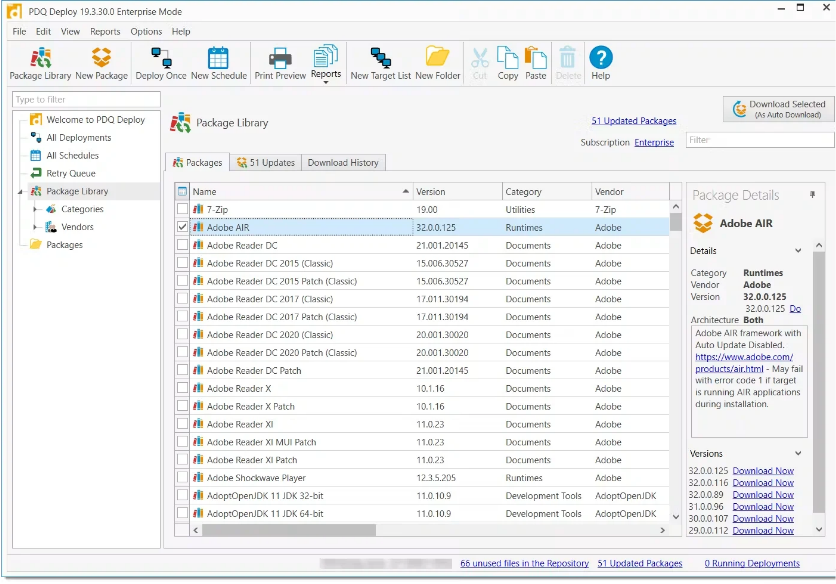
PDQ Inventory can complement PDQ Deploy, another product designed for software deployment and IT administration.
Inventory information can help administrators identify which computers should receive a particular deployment. For example, an administrator could use inventory criteria to locate systems that do not have a required application and then use deployment tools to manage those computers.
The two products serve different purposes, but their workflows can complement each other in Windows environments.
Security and Permissions Considerations
Because PDQ Inventory interacts with managed computers and collects system information, administrators should configure it carefully.
Appropriate Windows administrative permissions may be required for successful scanning. Organizations should also protect access to inventory information because it can contain details about their computer environment and installed software.
Administrators should follow their organization's security policies and provide access only to authorized personnel.
PDQ Inventory System Requirements
System requirements can vary according to the current PDQ Inventory release. Before installation, users should check the official documentation for the latest supported Windows versions and hardware requirements.
Important considerations include:
Supported Windows version
Processor and memory requirements
Available storage
Network connectivity
Windows administrative permissions
Compatibility of managed computers
Large environments may require additional resources depending on the number of computers and the amount of inventory data being collected.
How to Download and Install PDQ Inventory
For security and licensing reasons, users should obtain PDQ Inventory from the official PDQ website or another authorized source.
A typical installation process involves:
Download the appropriate PDQ Inventory installer.
Open the installation package.
Follow the setup instructions.
Complete the installation.
Launch PDQ Inventory.
Configure the required network and scanning settings.
Discover or add managed computers.
Run an inventory scan.
Review the collected hardware and software information.
Before scanning an organization-wide network, administrators should review the product documentation and confirm that the required permissions and network settings are available.
PDQ Inventory Free Download and Licensing
The phrase PDQ Inventory free download can refer to users looking for an official free edition or an evaluation option. Availability and feature limits can vary by product edition and may change over time.
Before installing the software, check the current licensing information provided by PDQ. This helps clarify which features are available without payment and which capabilities require a commercial license.
Avoid cracked versions, unauthorized activation tools, and modified installers. These packages can create security risks and may violate software licensing terms.
Pros and Cons of PDQ Inventory
Pros
Designed for Windows IT environments
Centralized computer inventory
Hardware and software discovery
Search and filtering tools
Custom collections
Useful for software auditing
Helpful for hardware planning
Can complement software deployment workflows
Cons
Primarily focused on Windows environments
Requires appropriate network access and permissions
Large environments may require careful configuration
Some functionality may depend on the edition or license
Administrators need to understand Windows networking and management requirements
Who Should Use PDQ Inventory?
PDQ Inventory can be useful for system administrators, IT support teams, managed-service professionals, and organizations responsible for multiple Windows computers.
Small businesses can use it to maintain an overview of their workstations, while larger IT departments can use centralized inventory data to support software auditing, troubleshooting, deployment planning, and hardware management.
For someone managing only one or two personal computers, the software's enterprise-oriented inventory features may be more than necessary.
Tips for Using PDQ Inventory Effectively
To get more value from an inventory system, administrators can establish consistent collections and scanning practices.
Useful practices include:
Keep inventory scans appropriately scheduled.
Create collections for important software and hardware categories.
Review installed software regularly.
Monitor operating-system versions.
Use inventory information when planning hardware upgrades.
Protect administrative credentials.
Restrict access to inventory data.
Keep the PDQ software updated according to organizational policy.
Conclusion
PDQ Inventory is a Windows-focused IT inventory solution that helps administrators discover computers and collect information about hardware, software, operating systems, and system configurations. Its search, filtering, collection, and inventory capabilities can make managing multiple Windows computers more organized.
If you are searching for a PDQ Inventory free download, review the current official edition, licensing terms, system requirements, and supported features before installation. For organizational environments, configure appropriate permissions and network settings, and obtain the software from a legitimate source.